Ch. 27 The Reproductive System
Marieb - Human Anatomy & Physiology 11th Edition
Marieb, Hoehn11th EditionHuman Anatomy & PhysiologyISBN: 9780136874034Non è quello che usi tu?Cambia libro di testo
Capitolo 27, Problema 13

FSH is to estrogens as high levels of estrogens are to:
a. Progesterone
b. LH
c. FSH
d. Testosterone

Guida verificata passo dopo passo
1
Understand the relationship between FSH (Follicle-Stimulating Hormone) and estrogens: FSH stimulates the growth of ovarian follicles, which in turn produce estrogens. This is a cause-and-effect relationship where FSH leads to the production of estrogens.
Recognize that the question is asking for a similar relationship where high levels of estrogens lead to another hormone or process. This is a comparison question based on physiological feedback mechanisms.
Recall the hormonal feedback loop in the female reproductive system: High levels of estrogens typically trigger a surge in Luteinizing Hormone (LH) through positive feedback, which is crucial for ovulation.
Eliminate incorrect options: Progesterone is primarily produced after ovulation and is not directly triggered by high estrogen levels. FSH is suppressed by high estrogen levels due to negative feedback. Testosterone is not directly involved in this specific feedback loop.
Conclude that the correct answer is the hormone that is stimulated by high levels of estrogens, which is LH (Luteinizing Hormone).

Risposta video verificata per un problema simile:

Questa soluzione video è stata consigliata dai nostri tutor come utile per risolvere questo problema.
Durata del video:
3m

Concetti chiave

Ecco i concetti essenziali che devi comprendere per rispondere correttamente alla domanda.

Hormonal Regulation

Hormonal regulation refers to the complex interactions between various hormones in the endocrine system that control physiological processes. In this context, Follicle-Stimulating Hormone (FSH) stimulates the ovaries to produce estrogens, which in turn can influence the secretion of other hormones, creating a feedback loop essential for reproductive health.
Video consigliato:
13:06
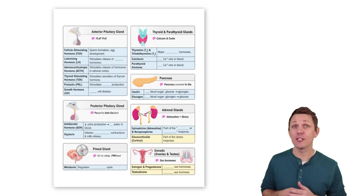
Review of Major Hormones

Feedback Mechanisms

Feedback mechanisms are processes that regulate hormone levels in the body through positive or negative feedback loops. High levels of estrogens can exert negative feedback on the pituitary gland, leading to decreased secretion of FSH and Luteinizing Hormone (LH), which helps maintain hormonal balance during the menstrual cycle.
Video consigliato:
02:43
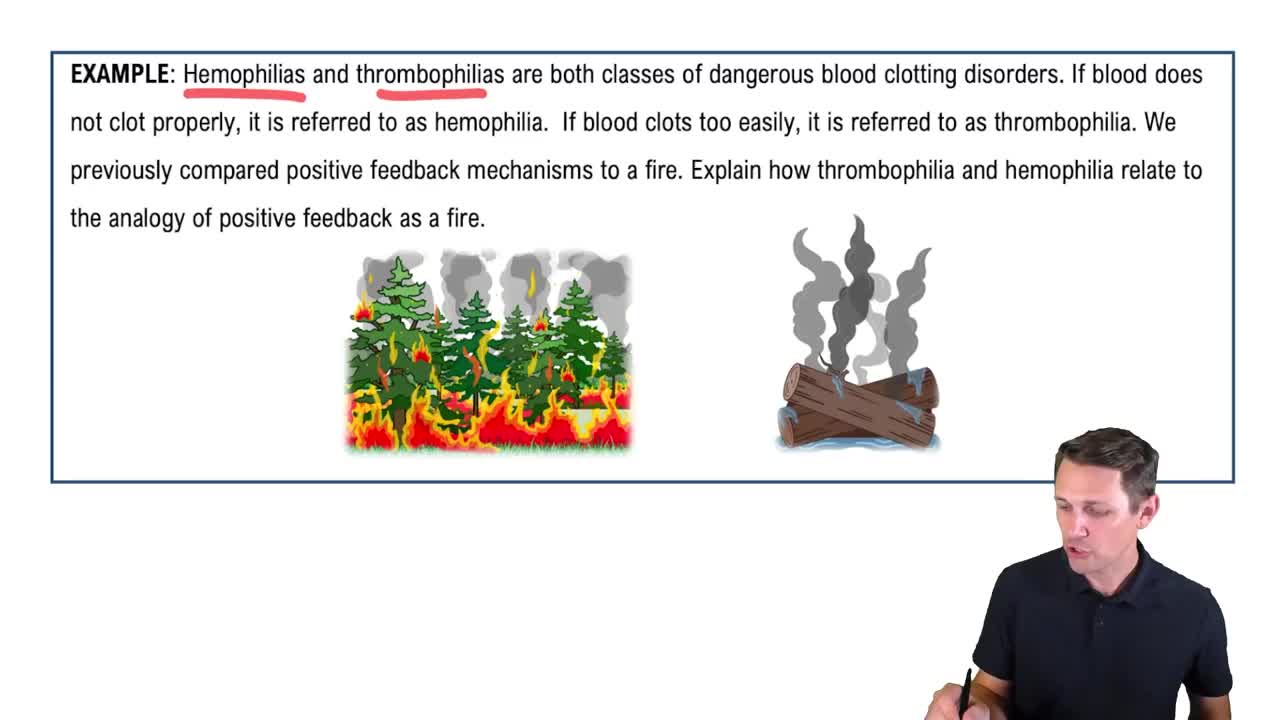
Feedback Loops: Positive Feedback Example 1

Luteinizing Hormone (LH)

Luteinizing Hormone (LH) is a hormone produced by the anterior pituitary gland that plays a crucial role in regulating the menstrual cycle and ovulation. In response to high estrogen levels, LH surges to trigger ovulation, making it a key player in the reproductive hormone cascade alongside FSH and estrogens.
Video consigliato:
13:06
Review of Major Hormones