 Indietro
1- Digestive System and Related Physiology in General Biology
 05:11

Termini in questo insieme (20)
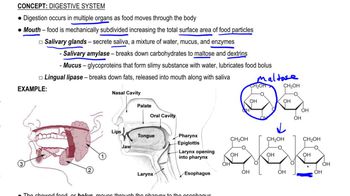
The mouth, esophagus, stomach, small intestine, large intestine, liver, pancreas, and gallbladder.
Mechanical digestion by chewing and chemical digestion by saliva enzymes like amylase that begin starch breakdown.
The stomach has thick muscular walls for churning food and secretes acid and pepsin to chemically digest proteins.
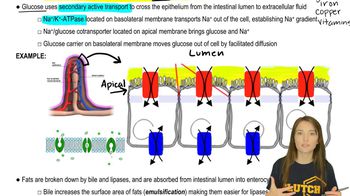
Primary site for nutrient absorption; enzymes from pancreas and intestinal lining digest macromolecules.
Salivary amylase in mouth starts starch digestion; pancreatic amylase continues in small intestine.
Pepsin in stomach begins protein digestion; pancreatic enzymes like trypsin continue in small intestine.
Lipase secreted by pancreas breaks down fats in the small intestine.
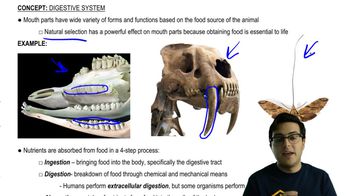
Herbivores have longer intestines and specialized chambers for fermenting refractory plant material; carnivores have shorter, simpler systems.
Horse has a large cecum and colon for fermenting cellulose-rich plant material.
Helps digest complex carbohydrates, synthesizes vitamins, trains immune system, and communicates with nervous and endocrine systems.
Dietary choices influence microbiome diversity and function, affecting overall health and disease risk.
Imbalance can lead to inflammation, impaired immunity, metabolic disorders, and digestive diseases.
Via the gut-brain axis using neural, hormonal, and immune pathways.
By modulating immune cell development and inflammatory responses.
By affecting hormone production and metabolism, influencing appetite and stress responses.
Maintained by hormones insulin and glucagon, secreted by pancreatic cells, regulating glucose uptake and release.
Promotes glucose uptake by cells and storage as glycogen, lowering blood glucose levels.
Stimulates glycogen breakdown and glucose release into blood, raising blood glucose levels.
Primarily the pancreas, liver, and muscle tissues.
Chimpanzee (omnivore), lion (carnivore), shrew (insectivore), bird (varied), rabbit (herbivore), deer (herbivore), horse (herbivore), pig (omnivore).