 Indietro
Bio October 26th (unit 6 con't)
 01:20

Termini in questo insieme (28)
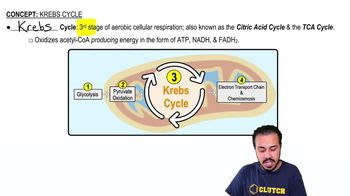
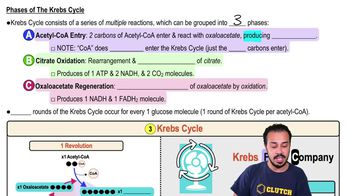
A circular series of enzyme-catalyzed reactions that produces 2 CO2, 1 ATP, 3 NADH, and 1 molecule of the electron carrier FADH2 FROM ONE acetyl CoA; the cycle runs twice per glucose molecule.
Oxaloacetate combines with acetyl CoA to form citrate at the start of the citric acid cycle. Redox reaction removes 2 carbon and release them as CO2, oxaloacetate is regenerated.
2 CO2, 3 NADH, 1 FADH2, and 1 ATP molecule. Output is DOUBLED for glucose molecule.
Where does STAGE 3: oxidative phosphorylation occur?
In the mitochondria, specifically across the inner mitochondrial membrane. 90% of ATP of cellular respiration formed.
What happens with the ETC in phosphorylation oxidation?
NADH and FADH2 deliver electrons to the ETC.
what happens after NADH and FADH2 deliver electrons to the ETC?
H+ ions pumped across inner mitochondrial into the intermembrane space, greeting a concentration gradient that stores potential energy. Oxygen is the final electronic sceptre and forms water (H2O).
An anaerobic process that harvests energy from organic matter for the cell without using oxygen as a terminal electron acceptor.
NADH passes electrons to the electron transport chain during oxidative phosphorylation, regenerating NAD+.
NADH transfers its electrons to the pyruvate regenerating NAD so glycolysis can continue producing ATP with oxygen.
What happens in lactic acid fermentation? What are examples?
Pyruvate is reduced to lactate, and NADH is oxidized to NAD+, Examples: occurs in muscle cells and some bacteria, makes cheese/yogurt, turs soybeans in soysauce and cabbage into sauerkraut.
What is alcohol fermentation? what is it used for?
Yeast and some bacteria break down pyruvate into ethanol(alcohol), so glycolysis can continue without oxygen while oxidizing NADH back into NAD.
used for: brewing, winemaking, and baking.
What are obligate anaerobes?
Obligate: Organisms that require anaerobic conditions and are poisoned by oxygen. EX: prokaryotes.
Organisms that can live with or without oxygen, using oxidative phosphorylation when O2 is available and fermentation when it is absent.
In the thylakoid membranes of chloroplasts generating ATP and NADPH.
What is the Calvin cycle in photosynthesis?
Chlorophyll, a light-absorbing pigment in chloroplasts in the cells chloroplast is more concentrated in the leaves.
What are autotrophs, heterotrophs and photoautotrophs?
Autotrophs:Make their own food, source of organic molecules
heterotrophs:CAN'T make their own food, consume plants/animals/organic material, and depend on photoautotrophs for fuel and oxygen to live.
Photoautotrophs:autotrophs that use energy from light and are primary producers of the biosphere.
What is aerobic respiration and anaerobic?
Aerobic = uses oxygen.
Anaerobic = doesn't use oxygen
what is yeast?
yeast is a single celled Fungi normally uses aerobic cellular respiration to process food and is also able to survive in anaerobic conditions.
What are chloroplasts in the leaf structure?
chloroplasts are concentrated in mesophyll cells each cell having 30 to 40 chloroplasts.
where is chlorophyll photosynthetic enzymes and sugars located in the chloroplasts?
chlorophyll and photosynthetic enzymes are embedded in the thylakoid membranes, while sugars are manufactured in the stroma.