 Indietro
Ch 21 + 20 quiz notes
 02:09


Termini in questo insieme (135)
Ingestion
The act of eating
Digestion
The break down of food into molecules small enough to be absorbed
Absorption
The intake of the products of digestion
Elimination
The removal of undigested material
Chemical digestion
Food polymers are broken into monomers via hydrolysis
Alimentary canal
A tube running between two openings (mouth and anus), divided into compartments that digest food sequentially
Human alimentary canal:
Mouth
Oral cavity
Tongue
Pharynx
Esophagus
Stomach
Small intestine
Large intestine
Rectum
Anus
Digestive glands
Secrete digestive enzymes
Salivary glands, pancreas, liver, gallbladder
Mouth
Teeth break up food
Oral cavity/salivary glands
Moisten/lubricate food
Contains buffers that neutralize acids
Contains antimicrobial agents that kill microorganisms
Produces salivary amylase to start hydrolyzing starch
Tongue
Pushes bonus (chewed food) into the pharynx
Epiglottis
A flap that covers the opening to the trachea during swallowing while the esophageal sphincter is open
Pharynx
Swallowing reflex moves food into the esophagus
Esophagus
Peristalsis moves the bolts into the stomach within 10-15 seconds
Cardiac sphincter
Regulates the passage of bolus from esophagus to stomach, located at the top of the stomach/bottom of the esophagus
SToamch
Stores food and breaks it down with enzymes
Important for storage, chemical digestion, and mechanical digestion
Stomach gastric juices
Mucus
Pepsin - an enzyme that breaks down protein
Strong acid (pH 2) that kills bacteria, breaks cells, and denatures protein
Chyme
A mixture of gastric juices and bolus in the stomach
Pyloric sphincter
Opens to allow chyme to pass into the small intestine, located at the bottom of the stomach/top of the small intestine
Heartburn
The occasional backflow of stomach acid into the esophagus
Gastric ulcers
Open sores in the stomach lining formed when a prokaryote grows and erodes protective mucus
Small intestine
The major organ of chemical digestion, nutrient absorption, and water absorption
Duodenum
Mixes stomach contents with excretions from the liver and pancreas
Jejunum
Used for chemical digestion and absorpion
Ileum
Used for absorption, joined to the large intestine via the ileocecal sphincter
Pancreas
Produces digestive enzymes (amylase, tripsin, nuclease, lipase)
Produces bicarbonate (alkaline solution) to neturalize acidic chyme
Liver
Produces bile ( bile salts, carbonate ions, phospholipids) that is stored in the gallbladder
Bile
Breaks down fat globules into smaller fat droplets for hydrolysis via lipase
Breaks triglycerides into glycerol and fatty acids
Intestinal epithelial cells
Nutrients pass through villi epithelial cells
Amino acids and sugars pass into the blood and travel to the liver
Fatty acids and glycerol are recombined into fats and transported to a lymph vessel
Hepatic portal vein
How blood travels from the intestine to the liver
Liver functions
Store nutrients, detoxify substances, convert nutrients, produce bile
Large intestine
Absorbs water, houses bacteria that produce vitamin K, folic acid, and B vitamins
Produces feces from undigested materials
Rectum
Stores feces for disposal
Involuntary sphincter
From large intestine to rectum
Voluntary sphincter
From rectum to anus
Basal metabolic rate
Energy a resting animal needs each day to stay alive
75% of energy is used for heating, cooling, digesting etc
25% is used for sleeping, thinking, moving etc
Calories
A unit that describes the potential energy content of food
Essential nutrients
Materials that must be supplied by the diet as our bodies cannot make them
Essential amino acids
We produce 11, 9 are essential
Essential fatty acids
alpha-linolenic acid and linoleic acid
Essential minerals
Ions from the periodic table
Vitamins
Organic molecules
Undernourished
Deficient in calories
Overnourished
Excess in calories
Malnourished
Deficient in one or more essential nutrients
Macronutrients
Nutrients the body requires in large amounts
Carbohydrates - monosaccharides
Single sugar units - glucose, fructose, galactose
Carbohydrates - polysaccharides
Monsaccharides linked by dehydration reactions - starch, glycogen, cellulose
Glucose
The most easily used monosaccharides
Simple carb that circulates in the blood, only source of energy for the brain
Glycemic index
Measures how fast and far blood sugar levels will rise after eating carbohydrates
Fibre
Consists of unidgestible carbohydrates (cellulose)
Soluble fibre - absorbs water
Insoluble fibre - does not absorb much water
Fibre functions
Normalizes bowel movement and health
Lowers cholesterol levels, blood pressure and inflammation
Slows absorption of sugar to help control blood sugar
Is more filling and less energy dense to maintain a healthy weight
Proteins
Relatively large molecules made of amino acids joined by peptide bonds
Protein functions
Forms hormones, enzymes and antibodies
Transports nutrients
Helps regulate fluids and electrolytes
Structural proteins
20 standard amino acids
Required for the body to produces new proteins and replace damaged ones
Lipids
Triglycerides, saturated fatty acids, monounsaturated fatty acids, polyunsaturated fatty acids
Lipid function
Store energy
Regulate temperature
Protect organs
Triglycerides
3 fatty acids and one glycerol molecule used to store energy
Monounsaturated fatty acid
Unsaturated with hydrogen, has one double bond
Polyunsaturated fatty acid
Unsaturated with hydrogen, has 2 or more double bonds
Essential fatty acids
Required and obtained by foods as humans lack the enzymes to produce them
Alpha-linolenic acid (Omega 3)
Linoleic acid (omega 6)
Make phospholipids and are converted into other important molecules
Found in seeds, nuts, vegetables and their oils
Cholesterol - LDL
Contributes to plaque that clogs arteries and leads to heart disease
Cholesterol - HDL
Remoes LDL from arteries and brings them back to the liver to be processed
Minerals
”Dietary elements”, inorganic elements required by the body
Major dietary elements
Required in amounts higher than 200mg/day
Micronutrients
Vitamins and trace elements needed in less than 100mg/day
Ions
Part of/support proteins and enzymes (iron)
Contribute to nerve and muscle activity (sodium, potassium)
Vitamins
Organic compounds essential but required in small amounts
Most vitamins are coenzymes and catalyze metabolic reactions
Vitamin B9 ( folic acid)
Water soluble
Coenzyme in amino acids and nucleic acid metabolism
Vitamin B12
Water soluble
Needed for the production of nucleic acids and red blood cells
Vitamin C
Collagen synthesis, antioxidant
Vitamin A
Fat soluble
Maintains epithelial cells
Vitamin D
Fat soluble
Aids absorption and use of calcium and phosphorus in the small intestine
Vitamin E
Fat soluble
Antioxidant
Vitamin K
Fat soluble
Important for blood clotting
Leptin
A protein hormone produced by adipose cells that suppresses appetite
Two recurring themes in biology:
Life is organized at many hierarchical levels
There is a close correlation between form and function
Anatomy
The study of strcuture
Physiology
The study of how body structures function
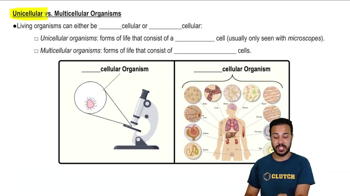
Tissue
Integrated group of similar cells that perform a common function
Organ
Made of up 2 or more types of tissue, performs a specific task
Organ system
Consists of multiple organs working together to perform a vital body function
Organism
Organ systems functioning tougher as an integrated, coordinated unit
Epithelial tissue
Covers the surface of the body and lines surface of organs/body cavities
Acts as a barrier from mechanical injury, microorganism invasion, and fluid loss
Made up of sheets of closely packed cells joined by tight, anchoring, and gap junctions
Has nerves but no blood vessels
Epithelial layers
Simple (one)
Stratified (multiple)
Pseudo stratified (one layer of varying heights that can appear stratified)
Epithelial shapes
Cuboidal
Columnar
Squamos
Connective tissue
Binds and supports other tissues, holds organs in place, and attaches epithelial tissues to underlying tissues
Characterized by sparse cells that manufacture and secrete an ECM
Types of connective tissue (5)
Fibrous
Adipose
Cartilage
Bone
Blood
Loose connective tissue
Loose weaves of fibres that hold tissues and organs in place
Fibrous connective tissue
Densely packed collagen fibres for tensile strength in tendons and ligaments
Adipose tissue
Loose connective tissue that stores fat and insulates
Cartilage tissue
Found between bone to cushion and absorb shock
Collagen fibres are embedded in a rubbery ECM
Heals poorly because it is not vascularized
Bone
Provides support and protection for the body and it organs
ECM of collagen fibres in calcium and phosphorus salts
Heal rapidly because they are vascularized
Blood
The ECM of blood is plasma - water, salts, proteins, and nutrients
Made in bone marrow
Erythocytes
Red blood cells - for oxygen transport
Leukocytes
White blood cells for immune system function
Platelets
Cell fragments for blood clotting
Muscle tissue
Long, excitable cells capable of contraction
4 properties of muscle tissue:
Excitability
Contractility
Extensibility
Elasticity
Excitability
Capacity to respond to stimuli
Contractility
Ability to shorten with force
Extensibility
Can be stretched beyond normal resting length
Elasticity
Recoils to original length after stretching
Skeletal muscle
Maintains posture and voluntary movement
Cardiac muscle
Allows the heart to pump blood
Smooth muscle
Lines the walls of internal organs and blood vessels
Nervous tissue
Senses stimuli and transmits signals throughout the body via electrical impulses
Neuron
The major cell of the nervous tissue
Other areas of nervous cell
Cell body
Dendrite
Axon
Organs
Have tissues that are layered in arrangement
Epidermis
A layer of cells forming a protective covering
Dermis
A thick layer under the epidermis containing hair follicles, sweat and oil glands, muscles, nerves, and blood vessels
Organ systems
Several organs with separate functions that are interdependent
Integumentary system
Protects the body from injury
Skin, hair, nails
2/3. Muscular and Skeletal systems
Support and move the body
Skeletal muscles move the body because they are attached to bone and cartilage
Nervous system
Controls and coordinates body functions with electric impulses
Brain, ear, spinal cord, nerves
Endocrine system
Controls and coordinates body functions by producing hormones
Hypothalamus, pituitary gland, thyroid gland, ovaries/testes, thymus, adrenal gland, pancreas
Circulatory /Cardiovascular system
Transports gases, nutrients, and wastes via the blood
Heart, blood vessels
Lymphatic system
Protects the body from infection by filtering body fluids.
Lymph nodes, appendix, bone marrow, thymus, spleen, lymphatic vessels
Respiratory system
Exchanges gases with the environment
Nasal cavity, pharynx, larynx, trachea, bronchus, lung
Digestive system
Digests and absorbs foods and nutrients and transfers them into the blood stream
Mouth, esophagus, liver, stomach, small intestine, large intestine, anus
Excretory/urinary system
Disposes of waste via cellular metabolism in the kidneys, specifically urea
Kidney, ureter, urethra, urinary bladder
Reproductive system
Supports sexual reproduction
Oviduct, ovaries, uterus, vagina, seminal vesicles, prostate gland, vas deferens, penis, urethra, testes
Urea
A soluble form of nitrogenous waste
Where chem digestion of carbohydrates takes place
Salivary glands
Pancreas
Small intestine
Enzymes used to process carbohydrates
Salivary amylase
Pancreatic amylase
Maltose, sucrose, lactase
Where chem digestion of proteins takes place
Stomach
Stomach
Pancreas/small intestine
Enzymes used to process proteins
HCl
Pepsin
Trypsin, chymotripsin, peptidase
Where chem digestion of nucleic acids take place
Pancreas/small intestine
Enzyme used to process nucelic acid
Nuclease
Where chem digestion of lipids takes place
Liver
Pancreas
Enzymes that process lipids
Bile salts
Lipase
Water soluble vitamins
B9/folic acid
B12
C
Fat soluble vitamins
A
D
E
K