 Indietro
General Biology: Cellular Respiration and Photosynthesis Pathways
 01:53

Termini in questo insieme (20)
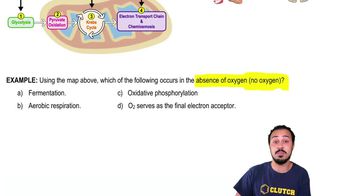
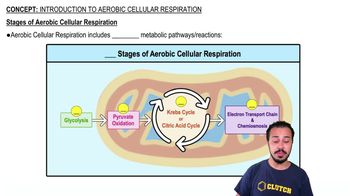
Reactants: Glucose, NAD+, ADP + Pi
Products: 2 pyruvate, 2 NADH, 2 net ATP
Reactants: 2 pyruvate, NAD+, coenzyme A
Products: 2 acetyl-CoA, 2 NADH, 2 CO2
Reactants: 2 acetyl-CoA, NAD+, FAD, ADP + Pi, coenzyme A
Products: 6 NADH, 2 FADH2, 2 ATP, 4 CO2
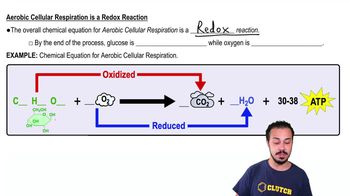
Reactants: NADH, FADH2, O2, ADP + Pi
Products: About 28 ATP, H2O, NAD+, FAD
Reactants: 2 pyruvate, 2 NADH
Products: 2 lactate, 2 NAD+
Reactants: 2 pyruvate, 2 NADH
Products: 2 ethanol, 2 CO2, 2 NAD+
Reactants: Light, H2O, NADP+, ADP + Pi
Products: O2, ATP, NADPH
Reactants: 3 CO2, 9 ATP, 6 NADPH
Products: 1 G3P, ADP, NADP+, Pi
Process where O2 and ATP react with carbon compounds, releasing CO2 and reducing sugar yield.
2 net ATP are produced per glucose molecule during glycolysis.
2 CO2 molecules are released per glucose during pyruvate oxidation (1 per pyruvate).
2 ATP are produced per glucose molecule during the citric acid cycle (2 turns).
About 28 ATP are produced per glucose molecule during oxidative phosphorylation.
NADH and FADH2 carry electrons to the electron transport chain for ATP production.
Coenzyme A binds acetyl groups to form acetyl-CoA for entry into the citric acid cycle.
ATP and NADPH produced in light reactions are used as energy and reducing power in the Calvin cycle.
G3P (glyceraldehyde-3-phosphate) is the 3-carbon sugar produced as the net output of the Calvin cycle.
Photorespiration consumes O2 and ATP, releasing CO2, which decreases the efficiency of sugar production.
Lactate fermentation produces lactate; alcohol fermentation produces ethanol and CO2.
To convert glucose into usable energy in the form of ATP through a series of metabolic pathways.