 Indietro
General Biology: Water, Lipids, Membranes, and Transport
 04:28

Termini in questo insieme (28)
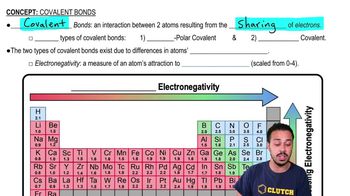
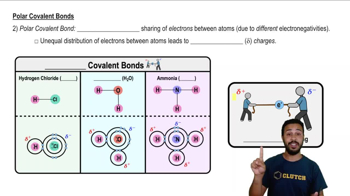
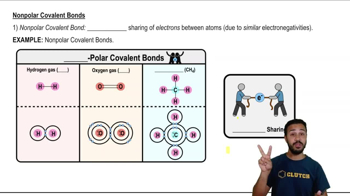
A covalent bond is the strong bond between hydrogen and oxygen atoms within a water molecule, holding them together.
Hydrogen bonds form because the charged regions on water molecules are attracted to oppositely charged regions on nearby molecules.
Cohesion is the tendency of water molecules to stick together due to hydrogen bonding.
A solution is a uniform liquid mixture of substances; the solvent is the dissolving agent, and the solute is the substance dissolved.
An aqueous solution is one where water acts as the solvent.
Water molecules surround polar or charged solutes, forming aqueous solutions by interacting with their charges.
Hydrogen ions (H+) increase acidity; hydroxide ions (OH–) increase basicity.
A pH less than 7 is acidic, and a pH greater than 7 is basic.
Buffers are substances that resist changes in pH to maintain stable conditions.
Hydrophobic substances are water-fearing and do not mix well with water.
Lipids are compounds important for long-term energy storage, containing twice as much energy as polysaccharides.
Lipids are not huge molecules and vary greatly in structure and function compared to the other macromolecules.
The three types of lipids are fats, phospholipids, and steroids.
Fats are large lipids made from glycerol and three fatty acids.
Unsaturated fatty acids have one or more double bonds causing kinks, while saturated fatty acids have the maximum number of hydrogens and no double bonds.
Trans fats are created by hydrogenation and are associated with health risks.
Phospholipids have two fatty acids and a phosphate group attached to glycerol, unlike fats which have three fatty acids.
Steroids have a carbon skeleton of four fused rings and include cholesterol, important for membranes and hormone synthesis.
The membrane is fluid because it is flexible and a mosaic because it is made of many different molecules working together.
Membrane proteins maintain cell shape, act as receptors for chemical messengers, and function as enzymes.
Selective permeability allows some substances to cross membranes more easily than others.
Diffusion is the spread of particles evenly; passive transport is diffusion across membranes without energy use.
Osmosis is the diffusion of water across a selectively permeable membrane.
Tonicity describes how a solution affects cell water movement: isotonic (no change), hypotonic (cell swells), hypertonic (cell shrinks).
Osmoregulation is the control of water balance in cells or organisms.
They cross via facilitated diffusion using specific transport proteins.
Exocytosis exports bulky molecules like proteins or polysaccharides out of the cell.
Phagocytosis engulfs particles, pinocytosis takes in fluids except the fuild that are taken into small vescials, and receptor-mediated endocytosis uses receptors to import specific molecules.