 Indietro
Organelles: Structures and Functions
 03:45

Termini in questo insieme (20)
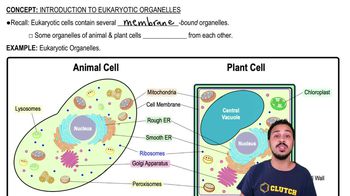
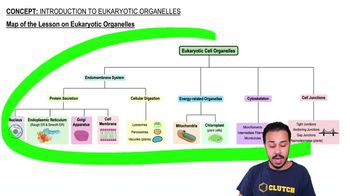
The control center of the cell that stores DNA and coordinates cell activities like growth and reproduction.
Known as the powerhouse of the cell, it produces energy through cellular respiration.
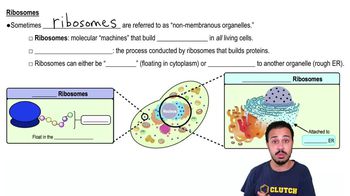
Sites of protein synthesis, where amino acids are assembled into proteins.
A network of membranes involved in protein and lipid synthesis. Rough ER has ribosomes; smooth ER does not.
Modifies, sorts, and packages proteins and lipids for storage or transport out of the cell.
Contain enzymes that digest and recycle cellular waste and foreign materials.
Organelles in plant cells that conduct photosynthesis to convert light energy into chemical energy.
A selectively permeable barrier that controls the movement of substances in and out of the cell.
A rigid layer outside the cell membrane in plant cells that provides structure and protection.
Gel-like substance inside the cell where organelles are suspended and many metabolic reactions occur.
A storage organelle that holds water, nutrients, and waste; large central vacuole is prominent in plant cells.
Organelles involved in cell division by helping organize the mitotic spindle.
Contain enzymes that break down fatty acids and detoxify harmful substances.
A network of protein fibers that provides shape, support, and movement for the cell.
Studded with ribosomes; involved in protein synthesis and folding.
Lacks ribosomes; involved in lipid synthesis and detoxification.
Located inside the nucleus; responsible for ribosome production.
Long, whip-like structures that provide motility to some cells.
Short, hair-like structures that move substances across the cell surface or help in cell movement.
Channels between plant cell walls that allow transport and communication between cells.