 Indietro
Starch Acid Hydrolysis Experiment - General Biology
 03:08

Termini in questo insieme (10)
Starch is the carbohydrate present at the beginning (unhydrolyzed).
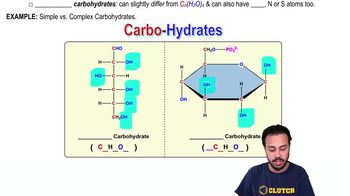
Glucose (or reducing sugar/maltose) is present at the end (hydrolyzed).
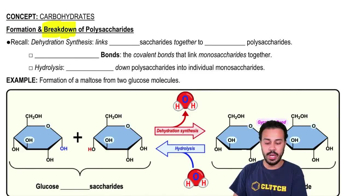
Acid and heat break down starch polysaccharide chains step-by-step into smaller sugar units (monosaccharides/reducing sugars).
IKI (Iodine) test detects starch and tests positive at the beginning.
Benedict’s test tests negative at the beginning because no reducing sugar is present yet.
Benedict’s test detects newly formed reducing sugars and tests positive at the end.
IKI test tests negative at the end because starch is fully hydrolyzed and used up.
Monosaccharides or reducing sugars such as glucose and maltose are produced.
Heat accelerates the breakdown of starch polysaccharides into smaller sugar units.
Because reducing sugars like glucose are formed, which react with Benedict’s reagent.