Ch.10 - Gases: Their Properties & Behavior
McMurry - Chemistry 8th Edition
McMurry8th EditionChemistryISBN: 9781292336145Non è quello che usi tu?Cambia libro di testo
Capitolo 10, Problema 118

The troposphere contains about three quarters of the mass of the entire atmosphere. The troposphere is only 12 km thick while the whole atmosphere is about 120 km thick. Explain why the troposphere contains such a large fraction of the total mass.

Guida verificata passo dopo passo
1
insert step 1: Understand that the troposphere is the lowest layer of Earth's atmosphere, where most of the atmospheric mass is concentrated.
insert step 2: Recognize that the troposphere is denser than the layers above it due to the gravitational pull of Earth, which causes air molecules to be more tightly packed at lower altitudes.
insert step 3: Consider that the troposphere contains most of the water vapor and weather phenomena, contributing to its mass.
insert step 4: Note that the pressure decreases with altitude, meaning that the air is less dense in the higher layers of the atmosphere, such as the stratosphere and beyond.
insert step 5: Conclude that the combination of higher density, presence of water vapor, and gravitational effects results in the troposphere containing about three quarters of the atmospheric mass despite its relatively small thickness.

Risposta video verificata per un problema simile:

Questa soluzione video è stata consigliata dai nostri tutor come utile per risolvere questo problema.
Durata del video:
2m

Concetti chiave

Ecco i concetti essenziali che devi comprendere per rispondere correttamente alla domanda.

Atmospheric Composition

The atmosphere is composed of various gases, primarily nitrogen (78%) and oxygen (21%), with trace amounts of other gases. The distribution of these gases is not uniform; most of the mass is concentrated in the lower layers, particularly the troposphere, due to gravitational forces that hold denser gases closer to the Earth's surface.
Video consigliato:
Percorso guidato
04:19
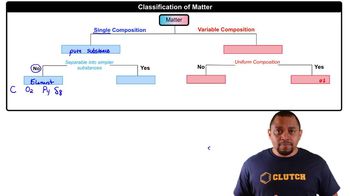
Matter Composition

Pressure and Density

Atmospheric pressure decreases with altitude, leading to a corresponding decrease in gas density. In the troposphere, the pressure is highest, resulting in greater density and, consequently, a larger mass of air. This phenomenon explains why the troposphere, despite its relatively small thickness, contains a significant portion of the atmosphere's total mass.
Video consigliato:
Percorso guidato
01:56
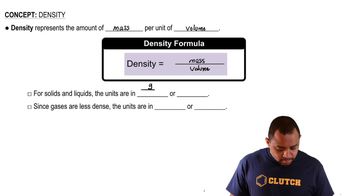
Density Concepts

Temperature Gradient

The troposphere experiences a temperature decrease with altitude, which affects the behavior of air molecules. Warmer air at lower altitudes is less dense and can hold more moisture, contributing to the mass of the troposphere. This temperature gradient helps maintain a stable layer of air that retains most of the atmosphere's mass.
Video consigliato:
Percorso guidato
03:48
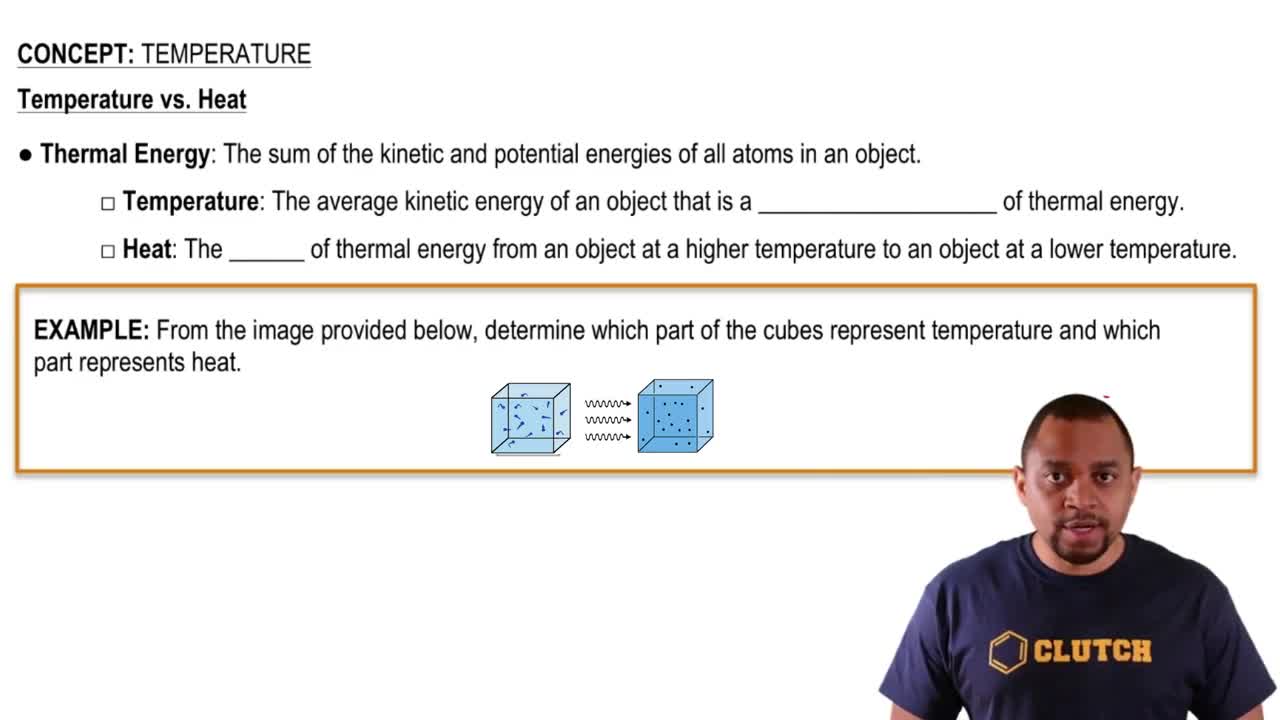
Temperature vs Heat