Ch. 14 - Analysis of Gene Function via Forward Genetics and Reverse Genetics
Sanders - Genetic Analysis: An Integrated Approach 3rd Edition
Sanders3rd EditionGenetic Analysis: An Integrated ApproachISBN: 9780135564172Non è quello che usi tu?Cambia libro di testo
Capitolo 14, Problema C.6b

Radiation is frequently used as part of the treatment of cancer. The radiation works by damaging DNA and components of the cell. Is there a risk of damage to noncancer cells?

Guida verificata passo dopo passo
1
Understand that radiation therapy targets rapidly dividing cancer cells by damaging their DNA, which prevents them from replicating and surviving.
Recognize that noncancerous (normal) cells in the vicinity of the treatment area can also be exposed to radiation, as the radiation is not perfectly selective.
Consider that DNA damage in noncancer cells can lead to cell death or mutations, which may cause side effects or long-term risks such as secondary cancers.
Explore the concept of differential sensitivity, where some normal cells may be more resistant or able to repair DNA damage better than cancer cells, influencing the extent of risk.
Conclude that while radiation therapy aims to minimize harm to normal cells, there is an inherent risk of damage to noncancer cells due to the nature of radiation exposure.

Risposta video verificata per un problema simile:

Questa soluzione video è stata consigliata dai nostri tutor come utile per risolvere questo problema.
Durata del video:
2m

Concetti chiave

Ecco i concetti essenziali che devi comprendere per rispondere correttamente alla domanda.

Mechanism of Radiation Therapy

Radiation therapy uses high-energy radiation to damage the DNA of cancer cells, preventing their replication and leading to cell death. It targets rapidly dividing cells but can also affect other cells in the treatment area.
Video consigliato:
Percorso guidato
09:12
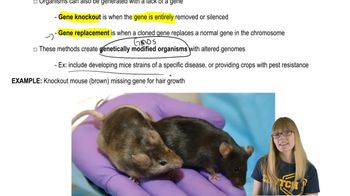
Transgenic Organisms and Gene Therapy

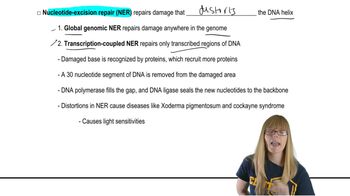
DNA Damage and Repair

Radiation causes breaks and mutations in DNA strands. While cancer cells often have impaired repair mechanisms, normal cells can sometimes repair this damage, but excessive damage may lead to cell death or mutations.
Video consigliato:
Percorso guidato
05:44
Repair Pathways

Effects on Noncancerous Cells

Noncancerous cells near the radiation site can also be damaged because radiation is not perfectly selective. This can cause side effects and risks, as healthy tissue may be harmed during treatment.
Video consigliato:
Percorso guidato
03:38
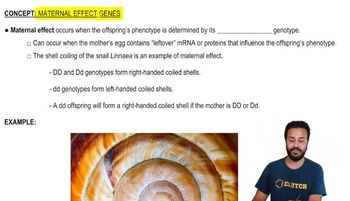
Maternal Effect