 Indietro
Introduction to Microbiology
 03:36
03:36

Termini in questo insieme (20)
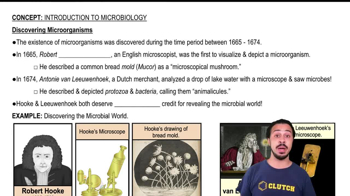
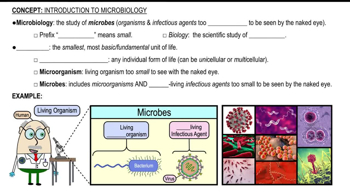
Microbiology is the study of living things that are too small to be seen with the naked eye, including bacteria, fungi, viruses, protozoa, algae, archaea, prions, and helminths.
Bacteria, Fungi, Viruses, Protozoa, Algae, Archaea, Prions, and Helminths.
Basic research (microbe-centered) and process-centered studies such as microbial metabolism and genetics.
The study of bacteria and archaea.
It studies relationships between microbes, other organisms, and their environment, including processes like bioremediation.
Production of antibiotics, human growth hormone, insulin, laundry enzymes, vitamins, pest control chemicals, and drain openers.
A community of microorganisms living in a particular environment, such as the human gut, interacting with each other and the host.
Microbes that normally inhabit the human body, helping maintain health by preventing pathogen growth and aiding immune system training.
E. coli produces vitamin K2 (menaquinone), important for blood clotting and bone health.
A complex community of microbes attached to surfaces, which can be beneficial (protect mucous membranes) or harmful (cause infections, clog pipes).
Cell-to-cell communication among bacteria that coordinates group behaviors like biofilm formation.
A universal system for naming organisms using two names: genus (capitalized) and species (lowercase), both italicized or underlined.
Karl Linnaeus, an 18th-century Swedish botanist, physician, and zoologist.
Archaea, Bacteria, and Eukarya.
Eubacteria, Archaea, Protista, Fungi, Plantae, and Animalia.
The use of microbes to decontaminate environments by breaking down pollutants like oil or waste.
Microbes produce chemical products like ethanol and acetone and can generate methane gas used for electricity.
Normal microbiota permanently colonize the body, while transient microbiota are temporary and do not persist.
Live beneficial bacteria consumed to restore or maintain healthy gut flora, especially after antibiotic use.
Antibiotics kill both harmful and beneficial bacteria, which can disrupt gut health.