 Indietro
Metabolism and Viruses - Chapter 12
 02:17

Termini in questo insieme (26)
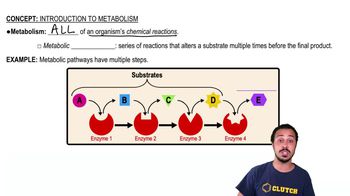
Metabolism is the sum of all chemical reactions that occur within a living organism to maintain life.
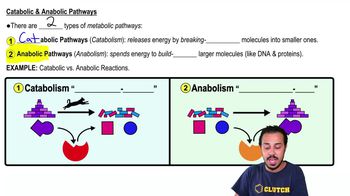
Catabolic pathways break down molecules to release energy, and anabolic pathways build complex molecules using energy.
Catabolism is the metabolic process that breaks down molecules into smaller units and releases energy.
Anabolism is the metabolic process that synthesizes complex molecules from simpler ones, requiring energy input.
ATP (adenosine triphosphate) is the primary energy carrier in cells, providing energy for metabolic reactions.
Enzymes act as biological catalysts that speed up metabolic reactions without being consumed.
Redox reactions involve the transfer of electrons and are essential for energy production in metabolism.
Oxidation is the loss of electrons, and reduction is the gain of electrons in a chemical reaction.
A virus is a non-cellular infectious agent composed of genetic material (DNA or RNA) enclosed in a protein coat.
Viruses reproduce by infecting host cells and using the host's machinery to replicate their genetic material and produce new virus particles.
The capsid is the protein shell that encloses and protects the viral genetic material.
The lytic cycle results in host cell destruction and virus release, while the lysogenic cycle integrates viral DNA into the host genome for replication without immediate destruction.
A prophage is viral DNA integrated into the bacterial host genome during the lysogenic cycle.
Viral envelopes are lipid membranes derived from the host cell that surround some viruses, aiding in host cell entry and immune evasion.
Viruses recognize host cells through specific interactions between viral surface proteins and host cell receptors.
Reverse transcriptase is an enzyme used by retroviruses to convert RNA into DNA for integration into the host genome.
DNA viruses have DNA as genetic material, while RNA viruses have RNA, affecting their replication strategies.
Viral tropism refers to the specificity of a virus for infecting particular cell types or tissues.
Viruses rely on host cell metabolic pathways to provide energy and building blocks for viral replication.
Some viruses produce enzymes that help penetrate host defenses or replicate viral genomes.
A higher host cell metabolic rate can enhance viral replication efficiency by providing more resources.
Viruses can alter host metabolism to favor viral replication, often redirecting energy and resources.
ATP provides the energy required for viral genome replication, protein synthesis, and assembly.
Viral polymerases are enzymes that synthesize viral DNA or RNA during replication.
Viruses exit host cells by lysis, budding, or exocytosis, depending on the virus type.
Metabolic inhibitors can block viral replication by targeting host or viral enzymes involved in metabolism.