 Indietro
Microbiology Exam 2 Review
 03:45
03:45
Termini in questo insieme (24)
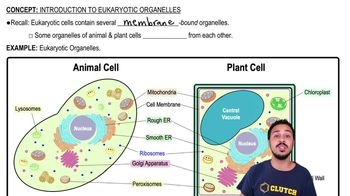
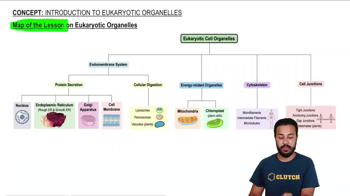
Eukaryotic cells have a nucleus and membrane-bound organelles; prokaryotic cells lack a nucleus and membrane-bound organelles.
Protists, Fungi, Plants, and Animals; each kingdom has distinct characteristics and cellular organization.
Mitochondria produce ATP through cellular respiration, supplying energy to the cell.
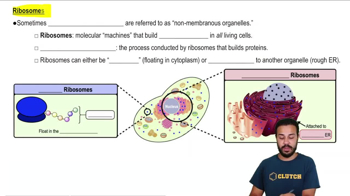
Ribosomes synthesize proteins by translating mRNA.
Golgi body modifies, sorts, and packages proteins and lipids for transport.
Rough ER has ribosomes for protein synthesis; Smooth ER synthesizes lipids and detoxifies chemicals.
Nucleus stores DNA and controls cell activities by regulating gene expression.
Prokaryotes have a cell wall made of peptidoglycan; eukaryotic cell walls (if present) differ chemically. Cell membranes are similar phospholipid bilayers in both.
Protists are diverse, mostly unicellular eukaryotes; some cause human diseases and move by flagella, cilia, or pseudopods.
Fungi are eukaryotic decomposers with chitin cell walls; some are pathogenic to humans.
Helminths are multicellular parasites causing human diseases; studied for their life cycles and infection mechanisms.
Protists move using flagella, cilia, or pseudopods.
Includes protozoa groups (e.g., amoebas, ciliates) and helminths like flatworms and roundworms.
Protists cause disease by invading tissues, producing toxins, or disrupting normal functions.
Viruses are described as active or inactive since they lack metabolism and reproduce only inside host cells.
Viruses are smaller than bacteria and eukaryotic cells, typically 20-300 nm in size.
Capsids protect viral genetic material and aid in attachment to host cells; made of protein subunits called capsomeres.
Enveloped viruses have a lipid membrane around the capsid; naked viruses lack this envelope.
Spikes enable viruses to attach and enter specific host cells, determining host range and tissue tropism.
Attachment, penetration, biosynthesis, maturation, and release; differs from animal viruses mainly in host interaction and entry.
Lytic cycle destroys host cells; lysogenic cycle integrates viral DNA into host genome, remaining dormant.
Viruses are grown in living cells like bacterial cultures, animal cell cultures, or embryonated eggs.
Includes viroids, prions, and satellite viruses, which differ in structure and replication from viruses.
Examples include influenza and HIV; treatments involve antivirals, vaccines, and supportive care.