 Indietro
Microbiology: Infectious Diseases of Skin, Eyes, Nervous and Respiratory Systems
 05:43

Termini in questo insieme (30)
Skin layers: epidermis with constant shedding and dead cells, keratin, dermis; secretions: sweat, lysozyme, sebum with fatty acids inhibiting pathogens.
Mucous membranes line body cavities open to the exterior with tight epithelium that sheds constantly, preventing pathogen colonization.
Includes bacteria and yeast that compete with pathogens to prevent their establishment; viruses are not part of normal flora.
Exanthem: skin rash from disease; vesicles: small fluid-filled lesions; macules: flat red lesions; papules: raised lesions; pustules: raised lesions with pus.
Gram-positive cocci in clusters, normal nasal flora in 20%, produces toxins, secretes proteins killing phagocytes, includes antibiotic-resistant MRSA strains.
Coagulase (clots fibrin), capsule, hyaluronidase, leucocidin, and exotoxins like exfoliative toxin and toxic shock syndrome toxin (TSST-1).
Coagulase-negative, 90% of normal skin microbiota, healthcare-associated pathogen, forms biofilms on catheters.
Folliculitis, sty (eyelash folliculitis), furuncle (boil), carbuncle, impetigo, scalded skin syndrome, toxic shock syndrome.
Gram-positive cocci in chains, normal flora of mouth and respiratory tract, virulence factors include M protein, capsule, hyaluronidase, hemolysins, and TSST.
Erysipelas, impetigo, sore throat, necrotizing fasciitis (flesh-eating disease), and streptococcal toxic shock syndrome.
Opportunistic infections in burn victims and swimmers' ear; resistant to many antibiotics and forms biofilms.
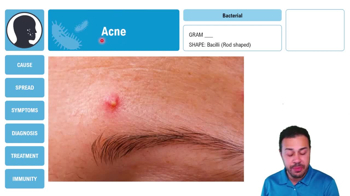
Caused by Propionibacterium acnes; blockage of hair follicles by shed skin cells and sebum; hormone-influenced sebum production; mild acne treated topically, severe acne involves inflamed pus lesions.
Chickenpox (varicella-zoster virus), shingles (reactivation of VZV), herpes simplex virus (cold sores, genital lesions), and HPV causing genital warts.
Trigeminal nerve ganglion where the virus remains dormant and can reactivate causing lesions.
Measles causes Koplik's spots; Rubella causes congenital rubella syndrome; both prevented by MMR vaccine.
Fungal infections of hair, nails, and outer epidermis causing ringworm, jock itch, athlete's foot; candidiasis is yeast overgrowth affecting skin and mucous membranes.
Ophthalmia neonatorum (Neisseria gonorrhoeae), inclusion conjunctivitis (Chlamydia trachomatis), and trachoma causing blindness worldwide.
CNS includes brain and spinal cord; PNS includes nerves branching from CNS; meninges protect CNS; cerebrospinal fluid in subarachnoid space; blood-brain barrier protects brain.
Fever, headache, stiff neck, nausea, vomiting, convulsions; caused by Haemophilus influenzae, Neisseria meningitidis, Streptococcus pneumoniae.
CSF sample via lumbar puncture; latex agglutination tests; treated with broad-spectrum third-generation cephalosporins before diagnosis confirmation.
Tetanus causes muscle spasms (lockjaw) from anaerobic wound infection; botulism causes paralysis from exotoxin ingestion; vaccines available for prevention.
Fecal-oral transmission; 1% paralytic cases; Salk vaccine (inactivated, injectable) and Sabin vaccine (attenuated, oral) provide immunity.
Transmitted by animal saliva, especially bats; long incubation; symptoms include hydrophobia; post-exposure prophylaxis with vaccine and immune globulin.
Hair in nasal passages, ciliary escalator moving particles, alveolar macrophages, respiratory mucus; lower respiratory tract is nearly sterile.
Streptococcal pharyngitis, diphtheria, common cold, otitis media; diphtheria toxin damages heart and kidneys; vaccines available for some.
Caused by Bordetella pertussis; attaches to ciliated tracheal cells, destroys cilia, causes violent coughing; prevented by DTaP vaccine.
Mycobacterium tuberculosis inhaled, resists macrophage killing, forms tubercles; diagnosed by skin test, X-ray, acid-fast staining, PCR.
Minimum 6 months therapy with isoniazid, rifampin, ethambutol, pyrazinamide; MDR and XDR strains resist first- and second-line drugs.
Typical pneumonia by Streptococcus pneumoniae; atypical by Mycoplasma; Haemophilus influenzae causes similar symptoms; viral pneumonia less severe.
Segmented RNA virus with hemagglutinin and neuraminidase spikes; antigenic drift and shift cause epidemics and pandemics; treated with Tamiflu and Relenza.