 Indietro
Microeconomics Key Concepts
 06:03
06:03
Termini in questo insieme (17)
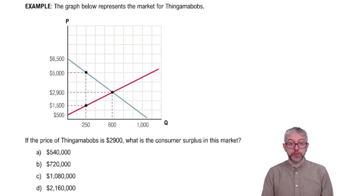
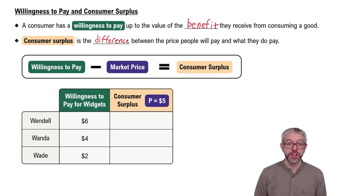
Consumer Surplus is the difference between what consumers are willing to pay and what they actually pay.
Producer Surplus is the difference between the price producers receive and the minimum they are willing to accept.
An externality is a cost or benefit from a market activity that affects a third party not involved in the transaction.
The Coase Theorem states that private parties can solve externality problems through bargaining if property rights are well-defined and transaction costs are low.
A Pigovian Tax is a tax imposed to correct negative externalities by aligning private costs with social costs.
The Tragedy of the Commons describes overuse of a common resource due to individual incentives outweighing collective interest.
Rivalry means one person's consumption of a good reduces the amount available for others.
Excludability means people can be prevented from using a good if they do not pay for it.
The four types are Public (nonrival, nonexcludable), Quasi-Public, Private (rival, excludable), and Common Resources (rival, nonexcludable).
The Free Rider problem occurs when individuals consume a good without paying, reducing incentives to produce it.
Elastic demand means quantity demanded changes significantly with price changes (elasticity > 1).
Inelastic demand means quantity demanded changes little with price changes (elasticity < 1).
Cross-Price Elasticity measures how quantity demanded of one good changes when the price of another good changes.
Income Elasticity measures how quantity demanded changes as consumer income changes.
Normal goods have positive income elasticity; demand rises as income rises. Inferior goods have negative income elasticity.
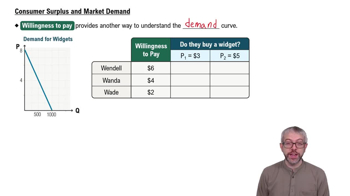
Market Demand is the total quantity demanded by all consumers at each price level.
The most important factor affecting supply elasticity is the ability of producers to change the quantity supplied in response to price changes.