 Indietro
Nutrition Exam 2 Review Flashcards
 01:35
01:35
Termini in questo insieme (34)
Glucose is the primary energy source for the brain.
Recommended fiber intake is about 25-30 grams daily, but most Americans consume less than half of this amount.
A whole grain contains the bran, germ, and endosperm.
The glycemic index measures how quickly a carbohydrate raises blood glucose; high GI foods cause rapid spikes.
Diverticulosis is the formation of pouches in the colon wall; it can be prevented by a diet high in fiber.
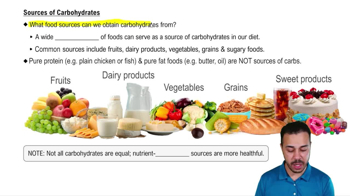
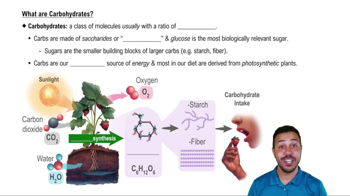
Monosaccharides are single sugars like glucose; disaccharides are two sugars linked, like sucrose and lactose.
Sugar-sweetened beverages are the top source of added sugars in the American diet.
Sugar substitutes provide sweetness with few or no calories and include artificial and natural options like aspartame and stevia.
Pancreatic amylase breaks down starch into maltose in the small intestine.
Insulin lowers blood glucose by promoting uptake; glucagon raises blood glucose by stimulating glycogen breakdown.
Symptoms include frequent urination and fatigue; prevention involves healthy diet, physical activity, and maintaining a healthy weight.
Physical activity increases carbohydrate needs to replenish muscle glycogen stores.
Triglycerides are the main fat stored in the body, composed of glycerol and three fatty acids.
Unsaturated fats are healthy (e.g., olive oil); saturated and trans fats are unhealthy and increase heart disease risk.
Saturation refers to the number of hydrogen atoms in fatty acids; saturated fats have no double bonds, unsaturated have one or more.
Saturated fats come from animal products and tropical oils; unsaturated fats come from plant oils and fish.
Phospholipids are fat molecules with a phosphate group, important for cell membrane structure and function.
Fats provide energy, insulation, protect organs, and aid in absorption of fat-soluble vitamins.
Triglycerides serve as energy storage, insulation, and cushioning for organs.
HDL is good cholesterol that removes excess cholesterol; LDL is bad cholesterol that can build up in arteries.
The body makes most fats except essential fatty acids like omega-3 and omega-6, which must be consumed in the diet.
Types include lacto-ovo vegetarian (includes dairy and eggs), vegan (no animal products), and others with varying restrictions.
Energy density: fats provide \(9\) kcal/g, carbs and proteins provide \(4\) kcal/g.
Improve blood lipids by reducing saturated and trans fats, increasing unsaturated fats, fiber, and physical activity.
Gluconeogenesis is the process of making glucose from non-carbohydrate sources like amino acids.
Amino acids have an amino group, carboxyl group, and a unique side chain (R group) that differentiates them.
Pepsin in the stomach and proteases in the small intestine break down proteins into amino acids.
Transamination is the transfer of an amino group from one amino acid to a keto acid, important in amino acid metabolism.
High protein can strain kidneys; low protein can cause muscle wasting and impaired immune function.
Protein is essential for antibody production and maintaining immune system function.
Proteins build and repair tissues, act as enzymes, hormones, and support immune function.
Complete proteins contain all essential amino acids (e.g., animal products); incomplete proteins lack some and are mostly plant-based.
Combining plant proteins like rice and beans provides all essential amino acids.
Proteins are digested by pepsin and proteases into amino acids, which are absorbed in the small intestine.