 Indietro
Stress, Coping, and Health - Introduction to Psychology
 04:01

Termini in questo insieme (20)
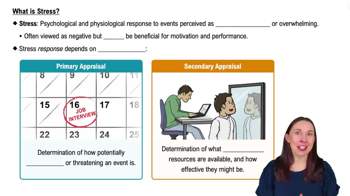
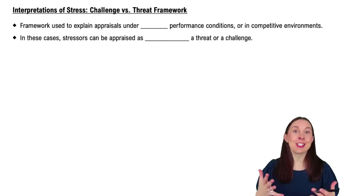
Stress is the process by which we perceive and respond to certain events called stressors that we appraise as threatening or challenging.
A stressor is any event or condition that triggers stress.
Acute stress is short-term and immediate, while chronic stress is long-lasting and persistent.
GAS is a three-stage response to stress: alarm reaction, resistance, and exhaustion.
The body mobilizes resources to face the stressor, activating the sympathetic nervous system and releasing adrenaline.
The body attempts to cope with the stressor by maintaining high alertness and hormone levels to resist stress.
Resources are depleted, leading to decreased stress tolerance, illness, or collapse.
Coping refers to the efforts to manage, reduce, or tolerate stress.
Strategies aimed at directly changing the stressor or how we interact with it.
Strategies aimed at managing emotional responses to the stressor rather than changing the stressor itself.
Greater perceived control over a stressor typically reduces stress and improves coping outcomes.
Social support provides emotional comfort and practical help, buffering the effects of stress.
Chronic stress can suppress the immune system, increasing vulnerability to illness.
An automatic physiological reaction to perceived threat, preparing the body to fight or flee.
Adrenaline and cortisol are key hormones released during stress.
Chronic stress can increase blood pressure and risk of heart disease.
The HPA axis regulates the release of cortisol during stress.
Resilience is the ability to adapt well and recover quickly from stress or adversity.
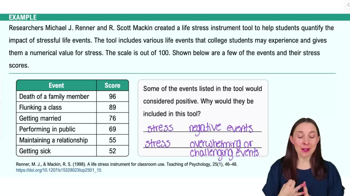
Eustress is positive, motivating stress; distress is negative, harmful stress.
They reduce physiological arousal and promote calmness, improving coping ability.