
Ch. 4 Tissue: The Living Fabric
Hoehn - Marieb Human Anatomy & Physiology, 12th edition
Hoehn, Haynes, Abbott12th EditionMarieb Human Anatomy & PhysiologyISBN: 9780138242732Non è quello che usi tu?Cambia libro di testo
Capitolo 4, Problema 23

In adults, over 90% of all cancers arise in epithelium. Such cancers are called carcinomas, or adenomas (adenocarcinomas) if they arise in glandular epithelia. In fact, cancers of the skin, lung, colon, breast, and prostate are all in these categories. Why do you think this is so?

Guida verificata passo dopo passo
1
Step 1: Understand the nature of epithelial tissue. Epithelial tissues line the surfaces and cavities of organs and structures throughout the body, forming protective barriers and involved in absorption, secretion, and sensation.
Step 2: Recognize that epithelial cells have a high rate of turnover. Because they are constantly exposed to environmental damage and wear, epithelial cells frequently divide to replace lost or damaged cells, increasing the chance of DNA replication errors.
Step 3: Consider that frequent cell division increases the likelihood of mutations. Each time a cell divides, there is a risk of mutations occurring in the DNA, which can accumulate and potentially lead to cancerous transformations.
Step 4: Note that epithelial tissues are often exposed to carcinogens. For example, skin epithelium is exposed to UV radiation, lung epithelium to inhaled toxins, and colon epithelium to dietary carcinogens, all of which can damage DNA and promote cancer development.
Step 5: Conclude that the combination of high cell turnover, exposure to environmental carcinogens, and the critical functions of epithelial tissues explains why over 90% of adult cancers arise in epithelial cells, leading to carcinomas and adenocarcinomas.

Risposta video verificata per un problema simile:

Questa soluzione video è stata consigliata dai nostri tutor come utile per risolvere questo problema.
Durata del video:
1m

Concetti chiave

Ecco i concetti essenziali che devi comprendere per rispondere correttamente alla domanda.

Epithelial Cell Proliferation and Turnover

Epithelial tissues have a high rate of cell division and turnover to maintain protective barriers and organ function. This frequent cell replication increases the chance of DNA replication errors, making epithelial cells more susceptible to mutations that can lead to cancer.
Video consigliato:
08:59
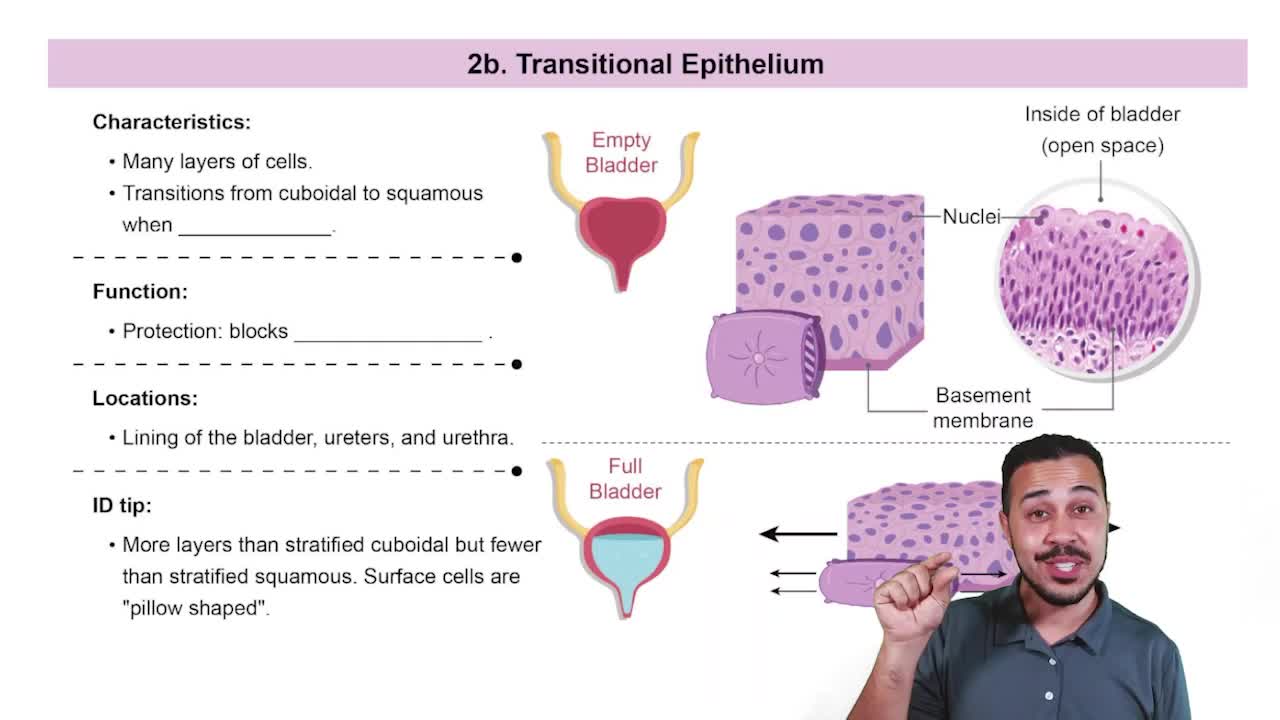
Transitional Epithelia

Exposure to Environmental Carcinogens

Epithelial surfaces, such as skin and lung lining, are directly exposed to environmental carcinogens like UV radiation, tobacco smoke, and chemicals. This exposure increases DNA damage risk, promoting mutations that can initiate carcinogenesis in these tissues.
Video consigliato:
Percorso guidato
03:48
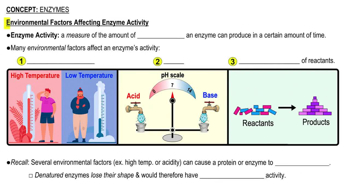
Environmental Factors Affecting Enzyme Activity

Glandular Epithelium and Adenocarcinomas

Glandular epithelia produce secretions and have specialized functions, but their active metabolism and cell division make them prone to malignant transformation. Adenocarcinomas arise from these tissues, reflecting how functional demands and cellular activity influence cancer development.
Video consigliato:
01:53
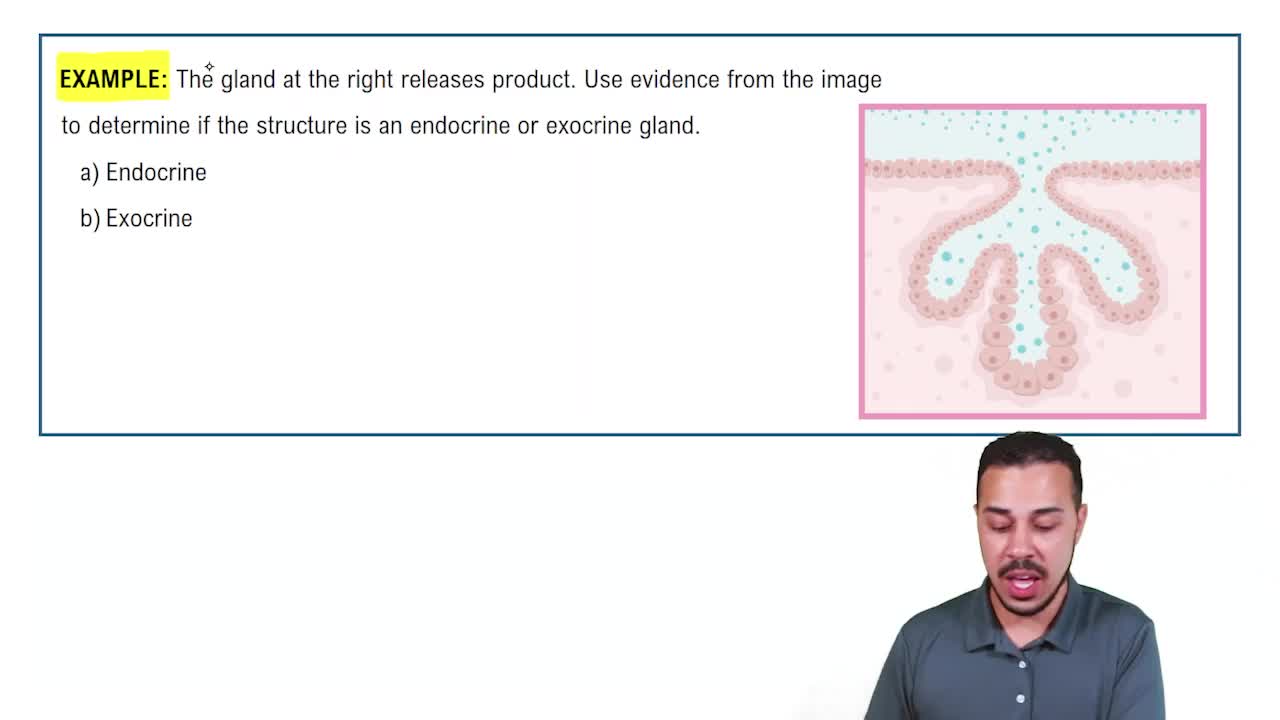
Glandular Epithelial Tissue Example 1