Ch. 27 The Reproductive System
Marieb - Human Anatomy & Physiology 11th Edition
Marieb, Hoehn11th EditionHuman Anatomy & PhysiologyISBN: 9780136874034Non è quello che usi tu?Cambia libro di testo
Capitolo 27, Problema 23

Grant, a sexually active adolescent, visited his doctor complaining of a red, painless swelling on his penis. He has no penile discharge or pain on urination. An account of his recent sexual behavior was requested and recorded.
a. What do you think Grant's problem is?
b. What is the causative agent of this disorder?
c. How is the condition treated, and what may happen if it isn't treated?

Guida verificata passo dopo passo
1
Step 1: Analyze the symptoms described in the problem. Grant has a red, painless swelling on his penis, no penile discharge, and no pain during urination. These symptoms are characteristic of a primary chancre, which is often associated with syphilis, a sexually transmitted infection (STI).
Step 2: Identify the causative agent of the disorder. Syphilis is caused by the bacterium *Treponema pallidum*. This bacterium is transmitted through direct contact with a syphilitic sore during sexual activity.
Step 3: Explain the treatment for syphilis. The primary treatment for syphilis is antibiotics, typically penicillin. Early stages of syphilis are highly treatable with a single dose of intramuscular penicillin G. For individuals allergic to penicillin, alternative antibiotics such as doxycycline or azithromycin may be used.
Step 4: Discuss the consequences of untreated syphilis. If syphilis is not treated, it can progress to secondary and tertiary stages, leading to severe complications such as damage to the heart, brain, nerves, and other organs. Late-stage syphilis can result in neurological and cardiovascular issues, and it may even be fatal.
Step 5: Emphasize the importance of prevention and follow-up. Encourage safe sexual practices, such as using condoms and regular STI screenings, to prevent syphilis and other STIs. Follow-up testing is crucial to ensure the infection has been fully eradicated after treatment.

Risposta video verificata per un problema simile:

Questa soluzione video è stata consigliata dai nostri tutor come utile per risolvere questo problema.
Durata del video:
1m

Concetti chiave

Ecco i concetti essenziali che devi comprendere per rispondere correttamente alla domanda.

Sexually Transmitted Infections (STIs)

STIs are infections that are primarily spread through sexual contact. Common symptoms can include sores, discharge, and swelling, but some STIs may be asymptomatic. Understanding STIs is crucial for diagnosing conditions like Grant's, as they can present with various symptoms and require specific treatments.
Video consigliato:
08:59
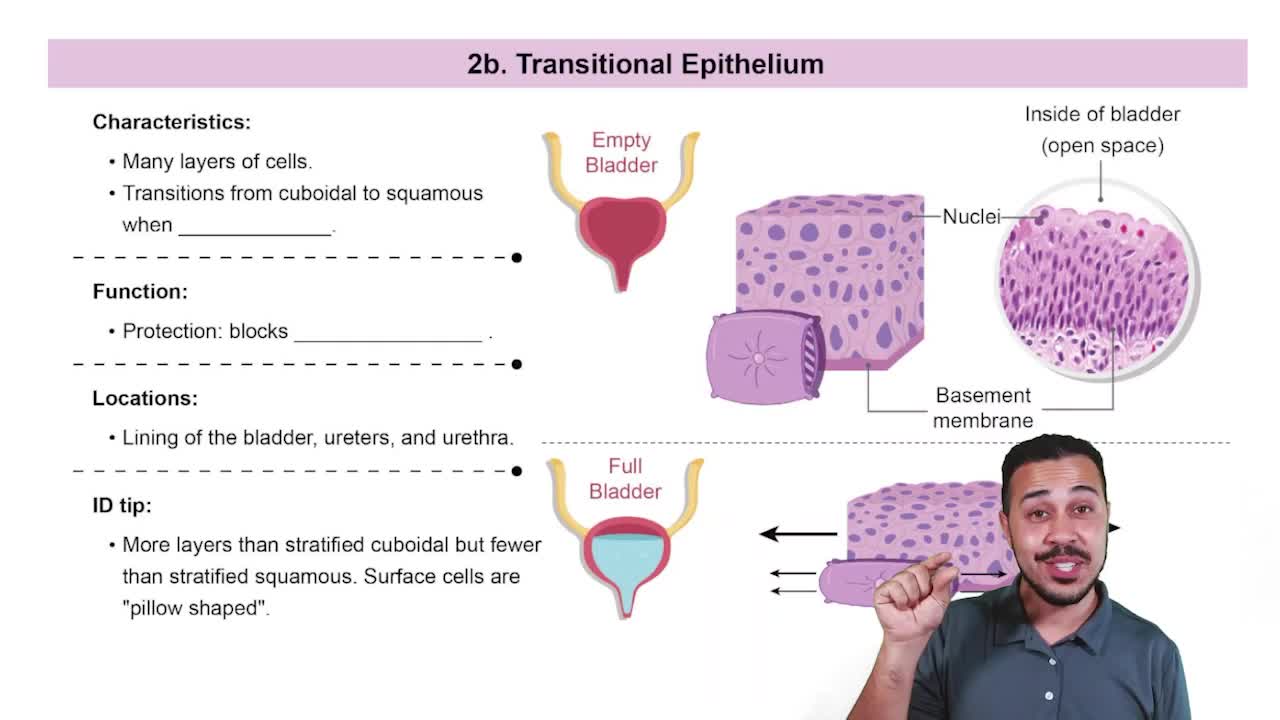
Transitional Epithelia

Causative Agents of STIs

Causative agents of STIs include bacteria, viruses, and parasites. For example, the bacterium Treponema pallidum causes syphilis, while Neisseria gonorrhoeae causes gonorrhea. Identifying the specific causative agent is essential for determining the appropriate treatment and understanding potential complications.
Video consigliato:
Percorso guidato
5:52
Introduction to Immunity

Treatment and Consequences of Untreated STIs

Treatment for STIs often involves antibiotics or antiviral medications, depending on the causative agent. If left untreated, STIs can lead to serious health issues, including infertility, chronic pain, and increased risk of HIV transmission. Understanding the importance of timely treatment is vital for preventing long-term complications.
Video consigliato:
2:40
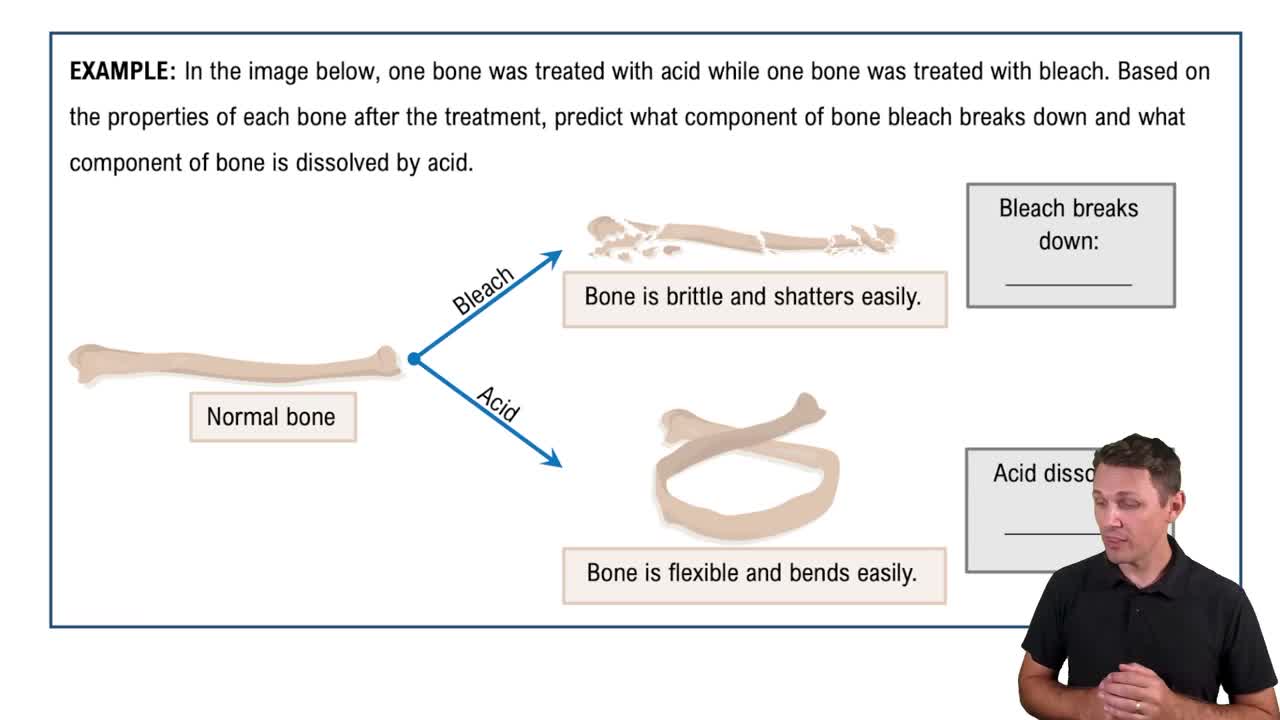
Microscopic Anatomy of Bones - Bone Matrix Example 1