Ch. 14 The Autonomic Nervous System
Marieb - Human Anatomy & Physiology 7th Edition
Marieb, Hoehn7th EditionHuman Anatomy & PhysiologyISBN: 9780805359091Non è quello che usi tu?Cambia libro di testo
Capitolo 14, Problema 15

Mr. Johnson suffers from urinary retention and a hypoactive urinary bladder. Bethanechol, a drug that mimics acetylcholine's autonomic effects, is prescribed to manage his problem. First explain the rationale for prescribing bethanechol, and then predict which of the following adverse effects Mr. Johnson might experience while taking this drug (select all that apply): dizziness, low blood pressure, deficient tear formation, wheezing, increased mucus production in bronchi, deficient salivation, diarrhea, cramping, excessive sweating, undesirable erection of penis.

Guida verificata passo dopo passo
1
Understand that bethanechol is a parasympathomimetic drug, meaning it mimics the action of acetylcholine on the parasympathetic nervous system, which primarily stimulates 'rest and digest' activities including bladder contraction.
Recognize that in urinary retention and hypoactive bladder, the detrusor muscle of the bladder is underactive, so bethanechol helps by stimulating muscarinic receptors to promote bladder muscle contraction and facilitate urination.
Identify the systemic effects of increased parasympathetic stimulation caused by bethanechol, which include increased glandular secretions (saliva, mucus), smooth muscle contraction in the gastrointestinal tract (leading to cramping and diarrhea), and vasodilation that can cause low blood pressure and dizziness.
Predict adverse effects related to parasympathetic overactivity such as wheezing and increased mucus production in the bronchi due to bronchoconstriction and gland stimulation, as well as excessive sweating and possible penile erection due to parasympathetic influence on sweat glands and erectile tissue.
Exclude adverse effects that are opposite to parasympathetic stimulation, such as deficient tear formation and deficient salivation, since bethanechol would increase these secretions rather than decrease them.

Risposta video verificata per un problema simile:

Questa soluzione video è stata consigliata dai nostri tutor come utile per risolvere questo problema.
Durata del video:
2m

Concetti chiave

Ecco i concetti essenziali che devi comprendere per rispondere correttamente alla domanda.

Mechanism of Action of Bethanechol

Bethanechol is a parasympathomimetic drug that stimulates muscarinic acetylcholine receptors, enhancing parasympathetic activity. It promotes bladder muscle contraction, helping to relieve urinary retention by facilitating bladder emptying. Understanding its action on the autonomic nervous system explains its therapeutic use in hypoactive bladder conditions.
Video consigliato:
03:53
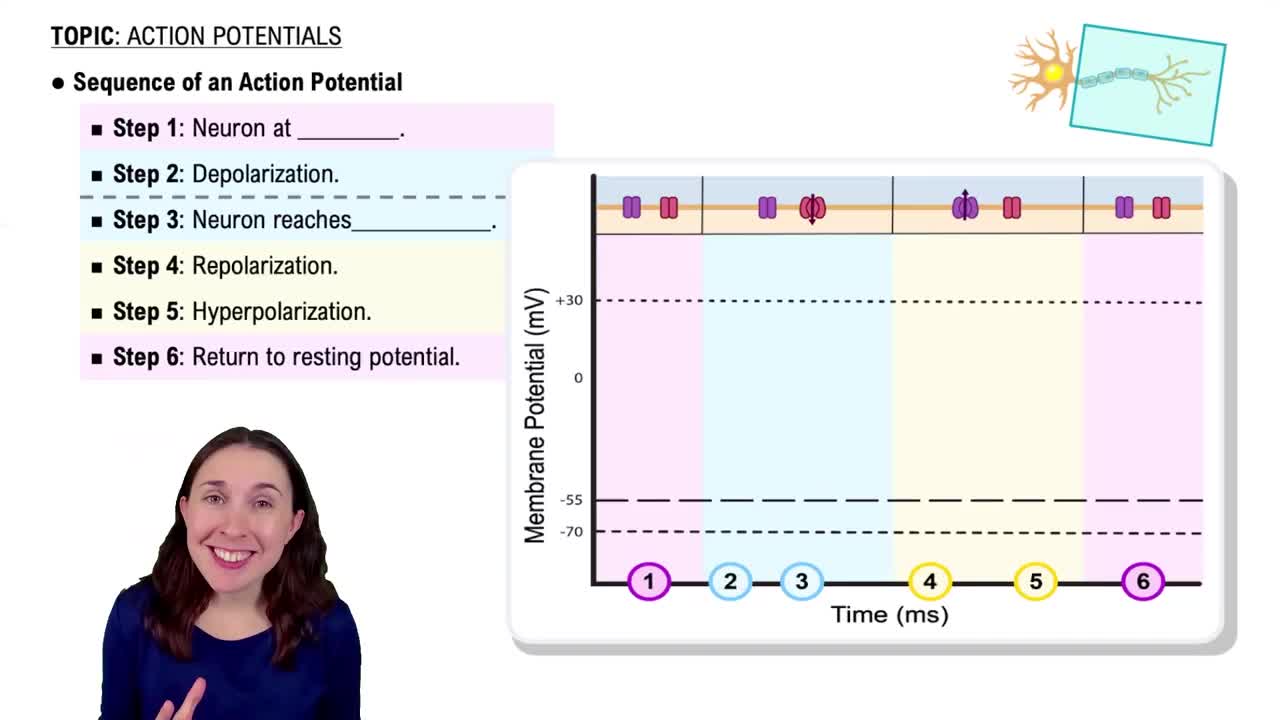
Action Potential

Parasympathetic Nervous System Effects

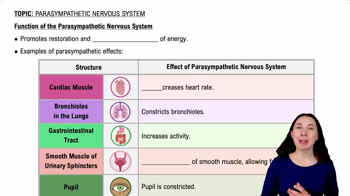
The parasympathetic nervous system controls 'rest and digest' functions, including increased glandular secretions, smooth muscle contraction in the gastrointestinal and urinary tracts, and decreased heart rate and blood pressure. Activation of muscarinic receptors by drugs like bethanechol leads to side effects related to these physiological responses.
Video consigliato:
1:56
Function of the Parasympathetic Nervous System

Common Adverse Effects of Muscarinic Agonists

Muscarinic agonists can cause side effects such as dizziness, hypotension, increased bronchial secretions, wheezing, diarrhea, cramping, excessive sweating, and penile erection due to widespread parasympathetic stimulation. Recognizing these effects helps predict which symptoms may arise during bethanechol therapy.
Video consigliato:
Percorso guidato
1:32
Effects of the Complement System