Ch. 2 The Chemical Level of Organization
Martini - Fundamentals of Anatomy & Physiology 12th Edition
Martini, Nath, Bartholomew12th EditionFundamentals of Anatomy & PhysiologyISBN: 9780137854011Non è quello che usi tu?Cambia libro di testo
Capitolo 2, Problema 14

Which of the following is not a function of a protein?
(a) Support
(b) Transport
(c) Metabolic regulation
(d) Storage of genetic information
(e) Movement

Guida verificata passo dopo passo
1
Step 1: Understand the primary functions of proteins in the body. Proteins serve various roles including structural support, transport of molecules, catalyzing metabolic reactions, and enabling movement through muscle contraction.
Step 2: Review each option in the question and relate it to known protein functions: (a) Support - proteins like collagen provide structural support; (b) Transport - proteins such as hemoglobin transport oxygen; (c) Metabolic regulation - enzymes, which are proteins, regulate metabolism; (e) Movement - proteins like actin and myosin are involved in muscle contraction.
Step 3: Identify the option that does not align with protein functions. Storage of genetic information is primarily the role of nucleic acids (DNA and RNA), not proteins.
Step 4: Conclude that the correct answer is the function that proteins do not perform, which is the storage of genetic information.
Step 5: Summarize that proteins are versatile molecules involved in support, transport, metabolic regulation, and movement, but genetic information storage is outside their functional scope.

Risposta video verificata per un problema simile:

Questa soluzione video è stata consigliata dai nostri tutor come utile per risolvere questo problema.
Durata del video:
3m

Concetti chiave

Ecco i concetti essenziali che devi comprendere per rispondere correttamente alla domanda.

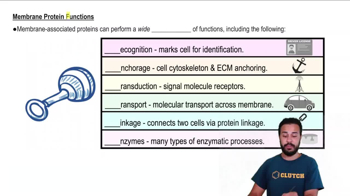
Functions of Proteins

Proteins perform diverse roles in living organisms, including providing structural support, facilitating transport of molecules, regulating metabolic processes through enzymes and hormones, and enabling movement via muscle contraction.
Video consigliato:
Percorso guidato
03:54
Membrane Protein Functions

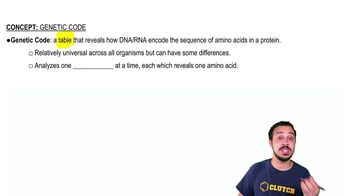
Storage of Genetic Information

The storage of genetic information is primarily the role of nucleic acids, such as DNA and RNA, which carry hereditary instructions, not proteins. Proteins do not store genetic data but may interact with nucleic acids to regulate gene expression.
Video consigliato:

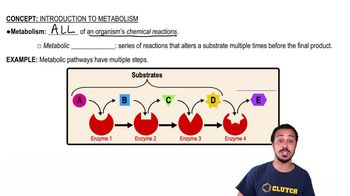
Metabolic Regulation

Proteins regulate metabolism by acting as enzymes that catalyze biochemical reactions and as hormones that control physiological processes, ensuring proper cellular function and homeostasis.
Video consigliato:
Percorso guidato
02:17
Introduction to Metabolism