Ch. 6 Bones and Bone Structure
Martini - Fundamentals of Anatomy & Physiology 12th Edition
Martini, Nath, Bartholomew12th EditionFundamentals of Anatomy & PhysiologyISBN: 9780137854011Non è quello che usi tu?Cambia libro di testo
Capitolo 6, Problema 27

While playing on her swing set, 10-year-old Sally falls and breaks her right leg. At the emergency room, the doctor tells her parents that the proximal end of the tibia where the epiphysis meets the diaphysis is fractured. The fracture is properly set and eventually heals. During a routine physical when she is 18, Sally learns that her right leg is 2 cm shorter than her left, probably because of her accident. What might account for this difference?

Guida verificata passo dopo passo
1
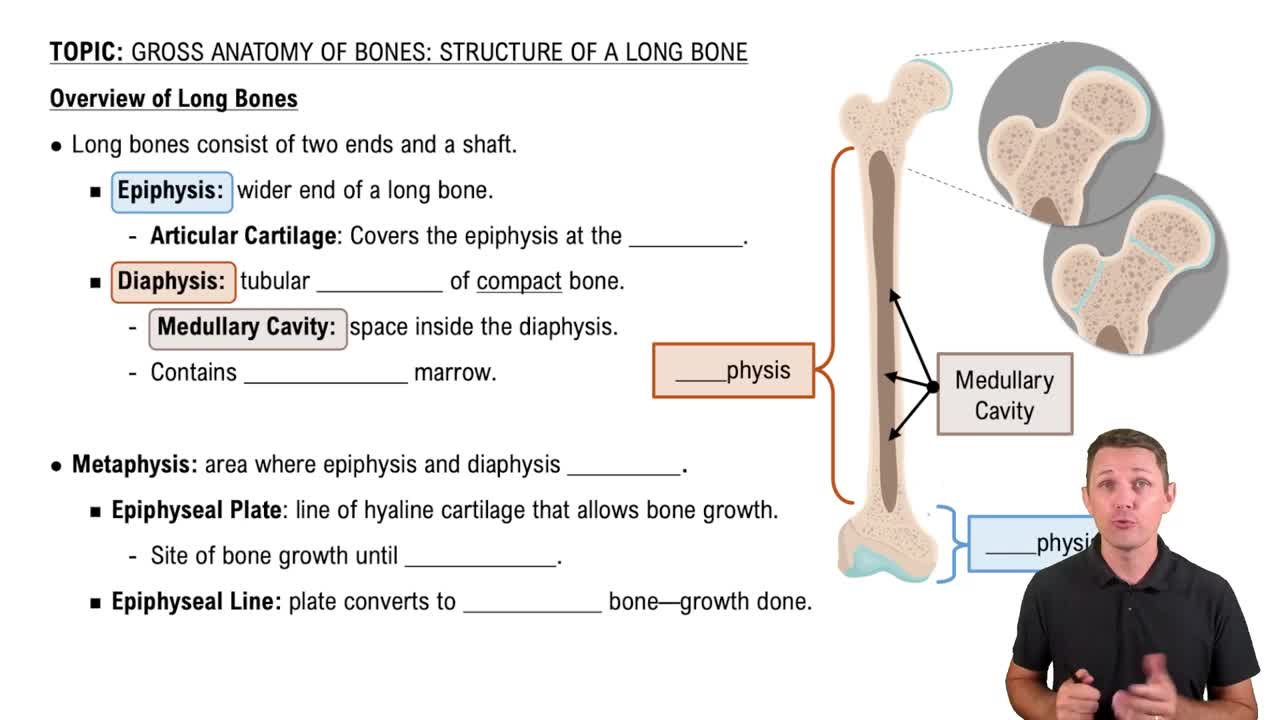
Step 1: Identify the anatomical regions mentioned in the problem. The fracture occurred at the proximal end of the tibia where the epiphysis meets the diaphysis. This area is known as the metaphysis, near the growth plate (epiphyseal plate).
Step 2: Understand the role of the epiphyseal plate in bone growth. The epiphyseal plate is a layer of cartilage that allows for longitudinal growth of long bones during childhood and adolescence.
Step 3: Recognize that a fracture involving the epiphyseal plate can disrupt normal bone growth. Damage to this area can cause premature closure or impaired function of the growth plate.
Step 4: Connect the injury to the observed outcome. Since Sally's right leg is shorter by 2 cm at age 18, it suggests that the fracture damaged the growth plate, leading to reduced or halted growth in that leg.
Step 5: Conclude that the difference in leg length is due to growth arrest caused by the fracture at the epiphyseal plate, which prevented the right tibia from growing normally during her adolescent years.

Risposta video verificata per un problema simile:

Questa soluzione video è stata consigliata dai nostri tutor come utile per risolvere questo problema.
Durata del video:
2m

Concetti chiave

Ecco i concetti essenziali che devi comprendere per rispondere correttamente alla domanda.

Epiphyseal Plate and Growth in Long Bones

The epiphyseal plate, or growth plate, is a layer of cartilage near the ends of long bones where bone growth occurs during childhood and adolescence. Damage to this area can disrupt normal bone lengthening, potentially leading to shorter limb length if the growth plate closes prematurely or heals improperly.
Video consigliato:
6:19
Overview of Long Bones

Anatomy of the Tibia: Proximal Epiphysis and Diaphysis

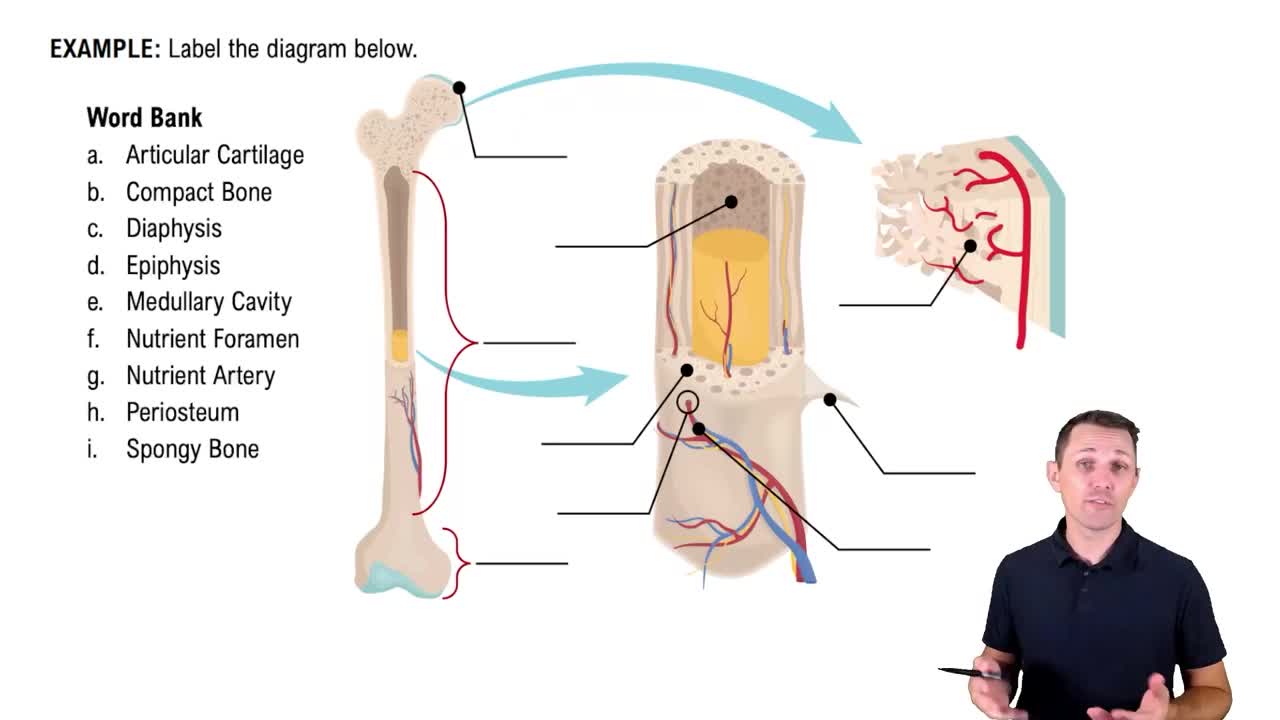
The tibia is a long bone with a proximal epiphysis (end) and a diaphysis (shaft). The junction between these regions contains the growth plate in children. A fracture at this site can affect the growth plate, impacting bone development and length.
Video consigliato:
2:37
Gross Anatomy of Bones - Structure of a Long Bone Example 2

Complications of Pediatric Bone Fractures

Fractures involving the growth plate in children can lead to growth disturbances such as limb length discrepancies. Even if the fracture heals properly, damage to the growth plate cells can cause premature closure, resulting in one limb being shorter than the other.
Video consigliato:
3:39
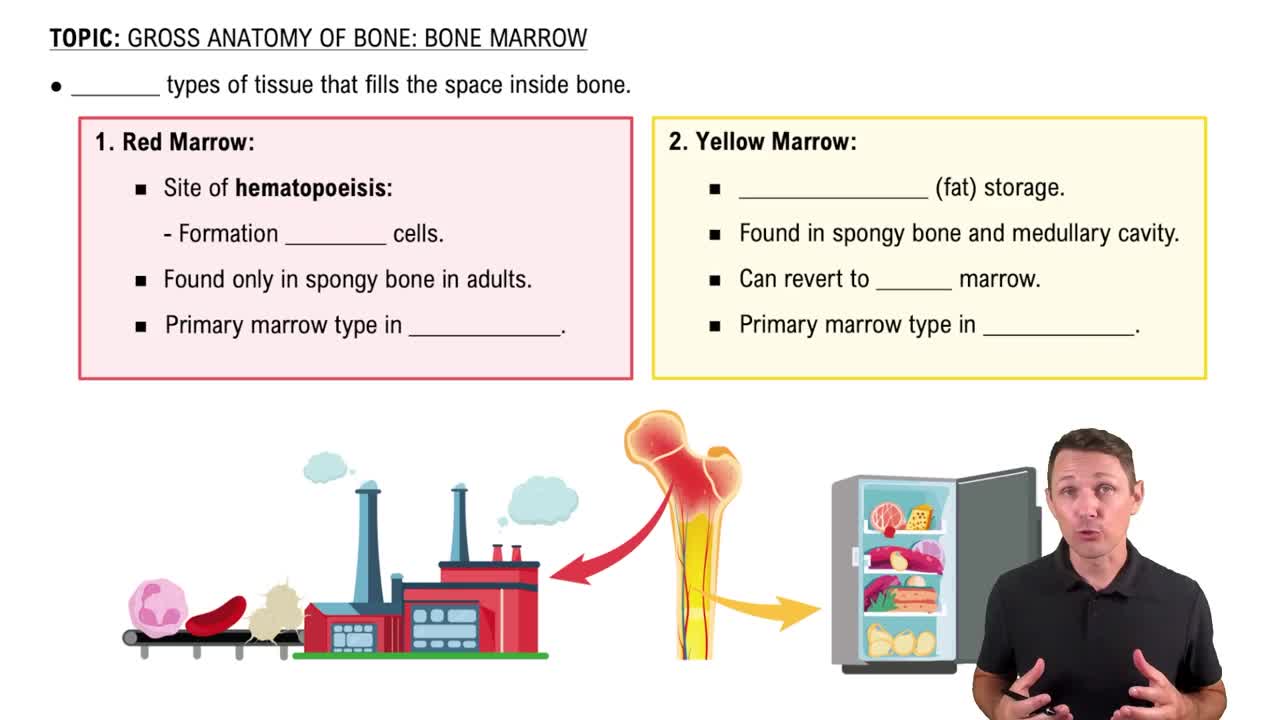
Bone Marrow
Pratica correlata