Ch. 34 - Plant Form and Function
Freeman - Biological Science 8th Edition
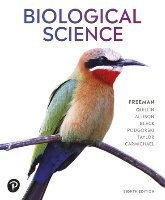
Freeman8th EditionBiological ScienceISBN: 9780138276263Non è quello che usi tu?Cambia libro di testo
Capitolo 34, Problema 7

What does the cuticle do?
What do stomata do?
Predict how the thickness of the cuticle and the number of stomata differ in plants from wet habitats versus dry habitats.

Guida verificata passo dopo passo
1
The cuticle is a waxy layer that covers the surfaces of leaves and stems in plants. It serves primarily to reduce water loss by evaporation, acting as a barrier to water movement.
Stomata are small openings on the surface of leaves and stems that allow for gas exchange. They enable the plant to take in carbon dioxide for photosynthesis and release oxygen, while also facilitating the loss of water vapor in a process called transpiration.
In wet habitats, plants typically have a thinner cuticle because the risk of water loss is lower due to the abundant availability of water. This allows for easier gas exchange and transpiration.
In dry habitats, plants often have a thicker cuticle to minimize water loss, as water is scarce. The thicker cuticle acts as a more effective barrier to prevent excessive evaporation.
The number of stomata in plants from wet habitats is generally higher to maximize gas exchange and transpiration, whereas plants in dry habitats may have fewer stomata to reduce water loss.

Risposta video verificata per un problema simile:

Questa soluzione video è stata consigliata dai nostri tutor come utile per risolvere questo problema.
Durata del video:
1m

Concetti chiave

Ecco i concetti essenziali che devi comprendere per rispondere correttamente alla domanda.

Cuticle Function

The cuticle is a waxy layer covering the epidermis of plants, primarily serving to reduce water loss by evaporation. It acts as a barrier to protect against pathogens and environmental stress. In dry habitats, plants often have thicker cuticles to minimize water loss, whereas plants in wet habitats may have thinner cuticles due to abundant water availability.
Video consigliato:
06:04
Functional Groups

Stomata Function

Stomata are small openings on the surface of leaves that facilitate gas exchange, allowing carbon dioxide in for photosynthesis and releasing oxygen. They also play a crucial role in transpiration, the process of water vapor loss. Plants in dry habitats typically have fewer stomata to conserve water, while those in wet habitats may have more stomata to optimize gas exchange.
Video consigliato:
06:04
Functional Groups

Adaptations to Habitat

Plants adapt their physical structures, such as cuticle thickness and stomata density, to their environment to optimize survival. In dry habitats, adaptations like thicker cuticles and fewer stomata help conserve water, while in wet habitats, thinner cuticles and more stomata facilitate efficient gas exchange and transpiration, reflecting the abundance of water.
Video consigliato:
Percorso guidato
05:24
Adaptive Radiation