Ch. 42 - Gas Exchange and Circulation
Freeman - Biological Science 8th Edition
Freeman8th EditionBiological ScienceISBN: 9780138276263Non è quello che usi tu?Cambia libro di testo
Capitolo 42, Problema 16f

During exercise, the cardiovascular system must supply muscles with large amounts of oxygen and fuel and get rid of a lot of waste.
How do the cardiovascular systems of athletes respond to prolonged exercise?
Athletes are not the only people with enlarged hearts. Many patients with cardiovascular disease also have enlarged hearts. Suggest a cause of this enlargement.

Guida verificata passo dopo passo
1
Understand the role of the cardiovascular system during exercise: It is responsible for delivering oxygen and nutrients to muscles and removing waste products like carbon dioxide and lactic acid.
Consider the physiological adaptations in athletes: During prolonged exercise, athletes' hearts may enlarge due to increased demand for oxygen and nutrients, leading to hypertrophy of the heart muscle to pump more efficiently.
Explore the concept of cardiac hypertrophy: In athletes, this is often a beneficial adaptation known as 'physiological hypertrophy,' where the heart enlarges to improve performance and endurance.
Examine the causes of heart enlargement in patients with cardiovascular disease: Unlike athletes, patients may experience 'pathological hypertrophy,' where the heart enlarges due to high blood pressure or heart valve disease, leading to inefficient pumping and potential heart failure.
Differentiate between physiological and pathological hypertrophy: Physiological hypertrophy in athletes is generally reversible and beneficial, while pathological hypertrophy in patients can lead to adverse health effects and requires medical intervention.

Risposta video verificata per un problema simile:

Questa soluzione video è stata consigliata dai nostri tutor come utile per risolvere questo problema.
Durata del video:
1m

Concetti chiave

Ecco i concetti essenziali che devi comprendere per rispondere correttamente alla domanda.

Cardiovascular System Adaptation

During prolonged exercise, the cardiovascular system adapts by increasing heart rate and stroke volume to enhance blood flow, delivering more oxygen and nutrients to muscles. Athletes often develop a more efficient cardiovascular system, including increased capillary density and improved heart muscle function, allowing for better endurance and performance.
Video consigliato:
05:50
Adaptive Immune Response

Hypertrophy in Athletes

Athletes may experience physiological hypertrophy, where the heart enlarges due to increased workload from regular intense exercise. This enlargement is typically beneficial, as it results in a stronger heart capable of pumping more blood per beat, improving overall cardiovascular efficiency and endurance during physical activities.

Pathological Hypertrophy in Cardiovascular Disease

In patients with cardiovascular disease, heart enlargement can occur due to pathological hypertrophy, often resulting from high blood pressure or heart valve issues. Unlike athletes, this type of hypertrophy is harmful, as it can lead to reduced heart function, increased risk of heart failure, and other complications due to the heart's inability to pump blood effectively.
Video consigliato:
07:53
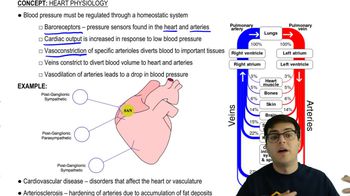
Cardiovascular Disease