
Ch. 42 - Gas Exchange and Circulation
Freeman - Biological Science 8th Edition
Freeman8th EditionBiological ScienceISBN: 9780138276263Non è quello che usi tu?Cambia libro di testo
Capitolo 42, Problema 10

Why did separate systemic and pulmonary circulations evolve in species that have the high-pressure circulatory system required for rapid movement of blood?

Guida verificata passo dopo passo
1
Understand the basic functions of systemic and pulmonary circulations: Systemic circulation moves oxygen-rich blood from the heart to the rest of the body, and returns oxygen-poor blood back to the heart. Pulmonary circulation moves oxygen-poor blood from the heart to the lungs to pick up oxygen and release carbon dioxide, then returns oxygen-rich blood back to the heart.
Recognize the need for efficient oxygen delivery: In species with high metabolic rates, such as those capable of rapid movement, there is a high demand for oxygen. Efficient delivery of oxygen to tissues is crucial for sustaining high levels of activity.
Consider the advantages of separation: Separate systemic and pulmonary circulations allow for optimization of blood pressure in each circuit. High pressure in the systemic circulation efficiently delivers blood to distant tissues, while lower pressure in the pulmonary circulation protects the delicate lung tissues from damage.
Acknowledge the evolutionary benefit: The separation of these circulations reduces the workload on the heart by ensuring that only half of the blood volume passes through each circuit at any time. This separation also allows for differential regulation of blood flow according to the body's varying needs in different situations.
Reflect on the evolutionary adaptation: The evolution of separate systemic and pulmonary circulations in species with high-pressure circulatory systems represents an adaptive advantage, allowing these organisms to maintain high activity levels while efficiently managing respiratory gases and nutrient delivery.

Risposta video verificata per un problema simile:

Questa soluzione video è stata consigliata dai nostri tutor come utile per risolvere questo problema.
Durata del video:
39s

Concetti chiave

Ecco i concetti essenziali che devi comprendere per rispondere correttamente alla domanda.

Systemic and Pulmonary Circulation

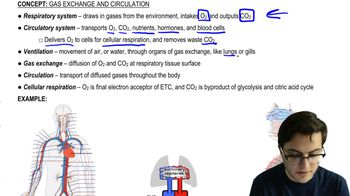
Systemic circulation refers to the pathway in which oxygenated blood is distributed from the heart to the rest of the body, while pulmonary circulation is the route taken by deoxygenated blood from the heart to the lungs for oxygenation. The separation of these two circulatory systems allows for more efficient oxygen delivery and carbon dioxide removal, which is crucial for sustaining high metabolic rates in active species.
Video consigliato:
06:28
Gas Exchange and Circulation

High-Pressure Circulatory System

A high-pressure circulatory system is characterized by the ability to pump blood at elevated pressures, facilitating rapid blood flow. This adaptation is essential for organisms that require quick delivery of oxygen and nutrients to tissues, especially in active species that engage in sustained physical activity, such as mammals and birds.
Video consigliato:
02:15
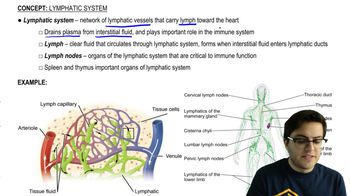
Lymphatic System

Evolutionary Adaptations

Evolutionary adaptations are traits that have developed over time through natural selection, enhancing an organism's ability to survive and reproduce in its environment. The evolution of separate systemic and pulmonary circulations represents a significant adaptation that supports the energetic demands of high-performance species, allowing them to maintain efficient gas exchange and meet the metabolic needs of their active lifestyles.
Video consigliato:
Percorso guidato
02:45
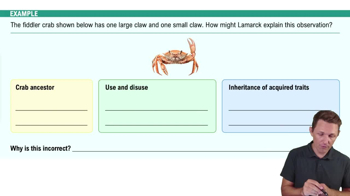
History of Evolutionary Theory Example 1
Pratica correlata
Domanda del libro di testo

Carp are fishes that thrive in stagnant-water habitats with low oxygen partial pressure. Compared with the hemoglobin of many other fish species, carp hemoglobin has an extremely high affinity for O₂.

Draw an oxygen–hemoglobin equilibrium curve showing separate lines for carp and a fish that lives in water with a higher oxygen partial pressure.

Explain why they differ.

1253
views
Domanda del libro di testo

During exercise, the cardiovascular system must supply muscles with large amounts of oxygen and fuel and get rid of a lot of waste.

How do the cardiovascular systems of athletes respond to prolonged exercise?

During athletic training, the oxygen–hemoglobin dissociation curve

a. Shifts to the right, unloading more oxygen to tissues.

b. Shifts to the right, unloading less oxygen to tissues.

c. Shifts to the left, unloading more oxygen to tissues.

d. Shifts to the left, unloading less oxygen to tissues.

619
views
Domanda del libro di testo

During exercise, the cardiovascular system must supply muscles with large amounts of oxygen and fuel and get rid of a lot of waste.

How do the cardiovascular systems of athletes respond to prolonged exercise?

When athletes exercise, what is the primary physiological variable responsible for their sustained increase in ventilation rate?

a. Decreased blood PO₂

b. Increased blood PCO2

c. Increased blood pH

d. Increased body temperature

940
views
Domanda del libro di testo

During exercise, the cardiovascular system must supply muscles with large amounts of oxygen and fuel and get rid of a lot of waste.

How do the cardiovascular systems of athletes respond to prolonged exercise?

Researchers used echocardiography, a sonogram of the heart, to estimate the mass of the left ventricle in current athletes, non-athletes, and ex-athletes. The data are graphed below (***meansP<0.001, and the P value comparing non-athletes and ex-athletes is >0.05).

What conclusion can be drawn from the graph?

669
views
Domanda del libro di testo

Explain why a person who survives a myocardial infarction might need to have an artificial pacemaker implanted.

592
views
Domanda del libro di testo

Predict how Antarctic icefish can transport enough oxygen in their blood to meet their needs even though they lack hemoglobin.

723
views