Ch.13 - Properties of Solutions
Brown - Chemistry: The Central Science 14th Edition
Brown14th EditionChemistry: The Central ScienceISBN: 9780134414232Non è quello che usi tu?Cambia libro di testo
Capitolo 13, Problema 18.8

The first stage of treatment at the reverse osmosis plant in Carlsbad, California, is to flow the water through rock, sand, and gravel as shown here. Would this step remove particulate matter? Would this step remove dissolved salts?
[Section 18.4]

Guida verificata passo dopo passo
1
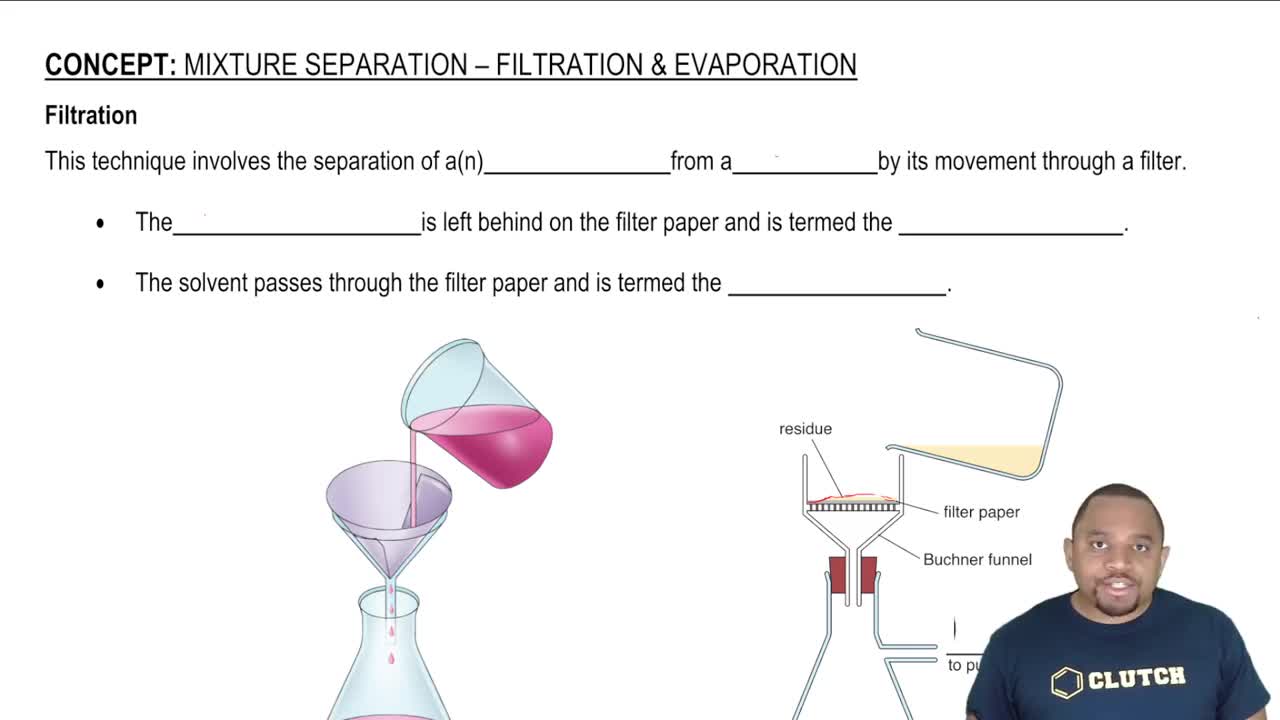
The first step in understanding this problem is to recognize the purpose of flowing water through rock, sand, and gravel. This process is known as filtration.
Filtration is primarily used to remove particulate matter, which includes larger particles such as sand, silt, and organic material.
Particulate matter is physically trapped by the layers of rock, sand, and gravel, effectively removing it from the water.
However, dissolved salts are ions that are too small to be captured by physical filtration methods like those involving rock, sand, and gravel.
Therefore, while this step is effective at removing particulate matter, it does not remove dissolved salts from the water.

Risposta video verificata per un problema simile:

Questa soluzione video è stata consigliata dai nostri tutor come utile per risolvere questo problema.
Durata del video:
3m

Concetti chiave

Ecco i concetti essenziali che devi comprendere per rispondere correttamente alla domanda.

Filtration

Filtration is a physical separation process that removes solid particles from liquids or gases using a filter medium that allows the fluid to pass while retaining the solid. In the context of reverse osmosis plants, the initial filtration through rock, sand, and gravel effectively removes larger particulate matter, such as sediments and debris, ensuring that the water is cleaner before further treatment.
Video consigliato:
Percorso guidato
04:50
Filtration and Evaporation

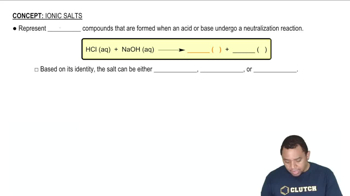
Dissolved Salts

Dissolved salts refer to ionic compounds that have dissociated into their constituent ions in a solution. Common examples include sodium chloride (table salt) and calcium carbonate. The filtration process through rock, sand, and gravel does not remove dissolved salts, as these ions are too small to be captured by the solid filter media, necessitating further treatment methods like reverse osmosis to effectively eliminate them.
Video consigliato:

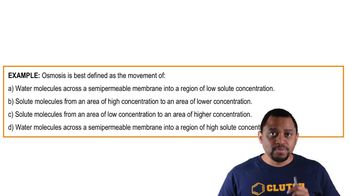
Reverse Osmosis

Reverse osmosis is a water purification process that uses a semipermeable membrane to remove ions, molecules, and larger particles from drinking water. In this process, water is forced through the membrane under pressure, allowing only water molecules to pass while rejecting dissolved salts and contaminants. This step is crucial for removing dissolved salts that were not eliminated during the initial filtration stage.
Video consigliato:
Percorso guidato
00:38
Osmosis Example