
Ch.14 - Chemical Kinetics
Brown - Chemistry: The Central Science 14th Edition
Brown14th EditionChemistry: The Central ScienceISBN: 9780134414232Non è quello che usi tu?Cambia libro di testo
Capitolo 14, Problema 81

Many metallic catalysts, particularly the precious-metal ones, are often deposited as very thin films on a substance of high surface area per unit mass, such as alumina (Al2O3) or silica (SiO2). (a) Why is this an effective way of utilizing the catalyst material compared to having powdered metals?

Guida verificata passo dopo passo
1
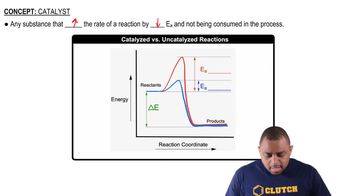
Understand the role of a catalyst: Catalysts increase the rate of a chemical reaction without being consumed in the process. They provide an alternative reaction pathway with a lower activation energy.
Recognize the importance of surface area: The effectiveness of a catalyst is often related to its surface area. A larger surface area allows more reactant molecules to interact with the catalyst simultaneously, increasing the reaction rate.
Compare thin films to powdered metals: Thin films of catalysts on high surface area supports like alumina (Al2O3) or silica (SiO2) maximize the surface area available for reactions compared to bulk powdered metals.
Consider the economic and practical benefits: Precious metals are expensive, so using them as thin films on supports reduces the amount of metal needed while maintaining high catalytic activity, making the process more cost-effective.
Evaluate the stability and distribution: Thin films on supports can also provide better stability and distribution of the catalyst, preventing agglomeration and ensuring consistent catalytic performance.

Concetti chiave

Ecco i concetti essenziali che devi comprendere per rispondere correttamente alla domanda.

Catalyst Efficiency

Catalysts are substances that increase the rate of a chemical reaction without being consumed in the process. Utilizing thin films of catalysts on high surface area supports allows for more active sites to be available for reactions, enhancing the overall efficiency of the catalyst compared to powdered metals, which may have limited accessibility and reactivity.
Video consigliato:
Percorso guidato
01:59
Catalyzed vs. Uncatalyzed Reactions

Surface Area to Volume Ratio

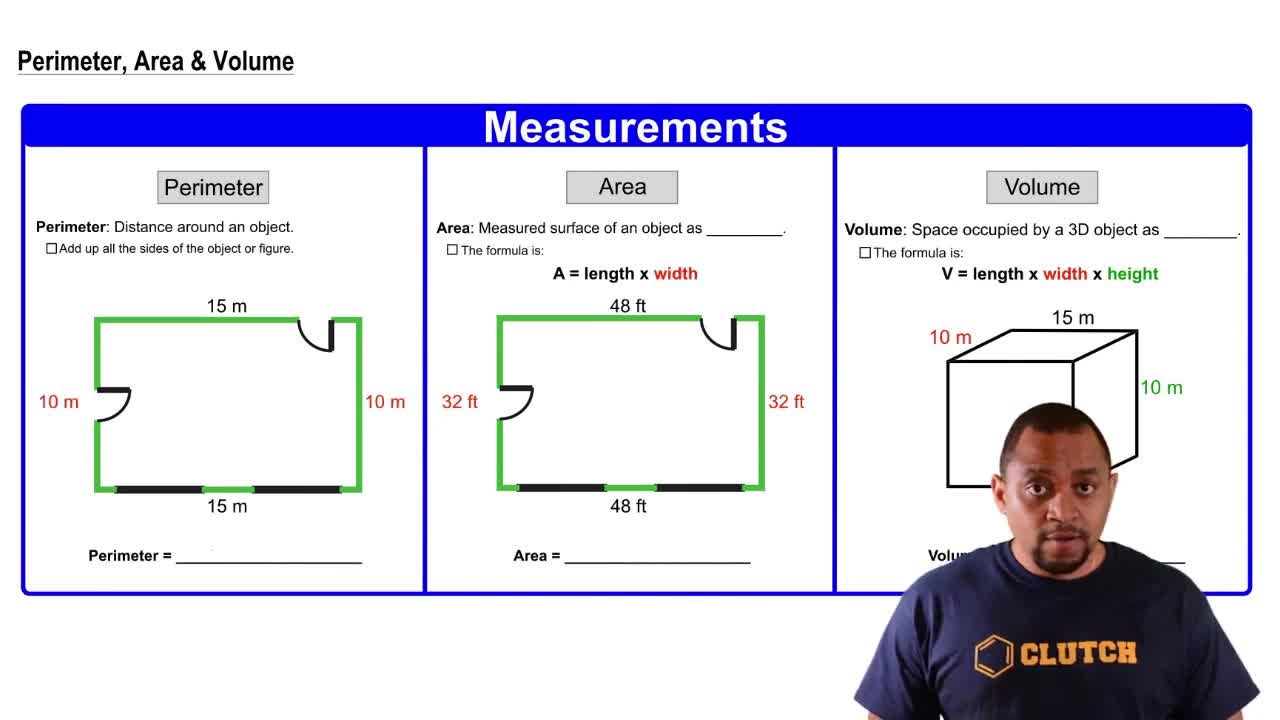
The surface area to volume ratio is a critical factor in catalysis, as reactions occur at the surface of the catalyst. Thin films on high surface area materials like alumina or silica maximize this ratio, ensuring that more of the catalyst is exposed to reactants, thus facilitating more effective and faster reactions than bulk powdered metals.
Video consigliato:
Percorso guidato
03:47
Perimeter, Area, Volume

Support Materials in Catalysis

Support materials, such as alumina (Al2O3) or silica (SiO2), provide a stable structure for the catalyst while enhancing its performance. These materials not only increase the surface area available for reactions but also help in dispersing the catalyst evenly, preventing agglomeration and ensuring that the active sites remain accessible for reactants.
Video consigliato:
Percorso guidato
08:12
Laboratory Materials 2