Ch.1 - Introduction: Matter, Energy, and Measurement
Brown - Chemistry: The Central Science 15th Edition
Brown15th EditionChemistry: The Central ScienceISBN: 9780137542970Non è quello che usi tu?Cambia libro di testo
Capitolo 1, Problema 2a

Which of the following figures represents (a) a pure element, (More than one picture might fit each description.)

Guida verificata passo dopo passo
1
Step 1: Understand what defines a pure element in terms of atomic composition. A pure element consists of only one type of atom, meaning all particles in the figure should be identical atoms.
Step 2: Examine each figure carefully and identify the types of atoms present. Look for differences in color, size, or shape that indicate different elements.
Step 3: Select all figures where only one kind of atom is shown, with no mixing of different atoms or molecules. These figures represent pure elements.
Step 4: Remember that a pure element can be represented as individual atoms or as molecules made of the same atoms (e.g., O\_2 for oxygen gas), so figures showing identical atoms bonded together also count as pure elements.
Step 5: Exclude any figures that show more than one type of atom bonded together, as these represent compounds or mixtures, not pure elements.

Risposta video verificata per un problema simile:

Questa soluzione video è stata consigliata dai nostri tutor come utile per risolvere questo problema.
Durata del video:
4m

Concetti chiave

Ecco i concetti essenziali che devi comprendere per rispondere correttamente alla domanda.

Pure Element

A pure element consists of only one type of atom, characterized by a unique number of protons. It cannot be broken down into simpler substances by chemical means. In diagrams, a pure element is represented by identical atoms or spheres of the same color and size.
Video consigliato:
Percorso guidato
02:35
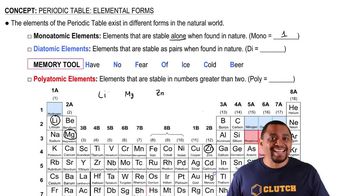
Elemental Forms of Elements

Atomic Representation in Diagrams

Chemical figures often use colored spheres to represent different atoms. Identical spheres indicate atoms of the same element, while different colors or sizes represent different elements. Recognizing these conventions helps identify pure elements, compounds, or mixtures.
Video consigliato:
Percorso guidato
01:57
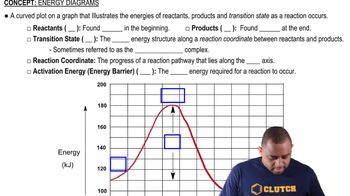
Energy Diagrams

Distinguishing Pure Elements from Compounds and Mixtures

Pure elements contain only one type of atom, compounds consist of two or more different atoms chemically bonded, and mixtures contain different substances physically combined. Understanding these distinctions is essential to correctly interpret chemical figures.
Video consigliato:
Percorso guidato
03:09
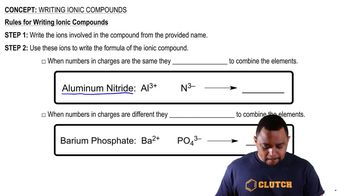
Rules for Writing Ionic Compounds