Ch.2 - Atoms, Molecules, and Ions
Brown - Chemistry: The Central Science 15th Edition
Brown15th EditionChemistry: The Central ScienceISBN: 9780137542970Non è quello che usi tu?Cambia libro di testo
Capitolo 2, Problema 80c

Assume that you encounter the following sentences in your reading. What is the chemical formula for each substance mentioned? (c) Hydrogen cyanide is a very poisonous gas.

Guida verificata passo dopo passo
1
Identify the elements present in the compound mentioned. In this case, hydrogen cyanide contains hydrogen (H), carbon (C), and nitrogen (N).
Understand the naming convention. The 'cyanide' part of hydrogen cyanide refers to a CN group, which is a common way to denote a cyanide ion.
Determine the chemical formula for the cyanide ion. Cyanide ion is composed of one carbon atom and one nitrogen atom, forming a CN- ion.
Combine the elements according to their stoichiometry in the compound. Since it is hydrogen cyanide, it consists of one hydrogen atom and one cyanide ion.
Write the chemical formula by placing the symbols of the elements and their respective quantities next to each other. For hydrogen cyanide, this would be HCN.

Risposta video verificata per un problema simile:

Questa soluzione video è stata consigliata dai nostri tutor come utile per risolvere questo problema.
Durata del video:
1m

Concetti chiave

Ecco i concetti essenziali che devi comprendere per rispondere correttamente alla domanda.

Chemical Formula

A chemical formula is a symbolic representation of a substance that indicates the types and numbers of atoms present. It provides essential information about the composition of a compound, using element symbols from the periodic table and subscripts to denote the number of each type of atom. For example, the formula for water is H2O, indicating two hydrogen atoms and one oxygen atom.
Video consigliato:
Percorso guidato
02:26
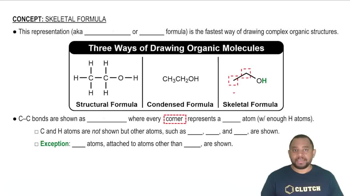
Skeletal Formula

Hydrogen Cyanide

Hydrogen cyanide (HCN) is a highly toxic compound consisting of one hydrogen atom, one carbon atom, and one nitrogen atom. It is a colorless gas with a faint, bitter almond odor and is known for its use in various industrial processes as well as its lethal effects on humans and animals. Understanding its structure is crucial for recognizing its chemical behavior and potential hazards.
Video consigliato:
Percorso guidato
01:22
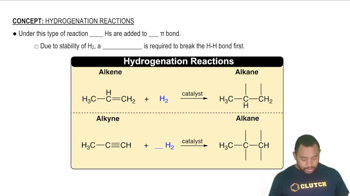
Hydrogenation Reactions

Toxicity of Chemicals

Toxicity refers to the degree to which a substance can harm living organisms. It is influenced by factors such as the dose, route of exposure, and the specific biological systems affected. In the case of hydrogen cyanide, its high toxicity is due to its ability to inhibit cellular respiration, leading to severe physiological effects and potentially death if inhaled or ingested.
Video consigliato:
Percorso guidato
03:31
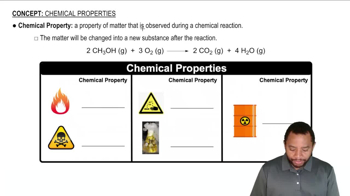
Chemical Properties