
Domanda del libro di testo
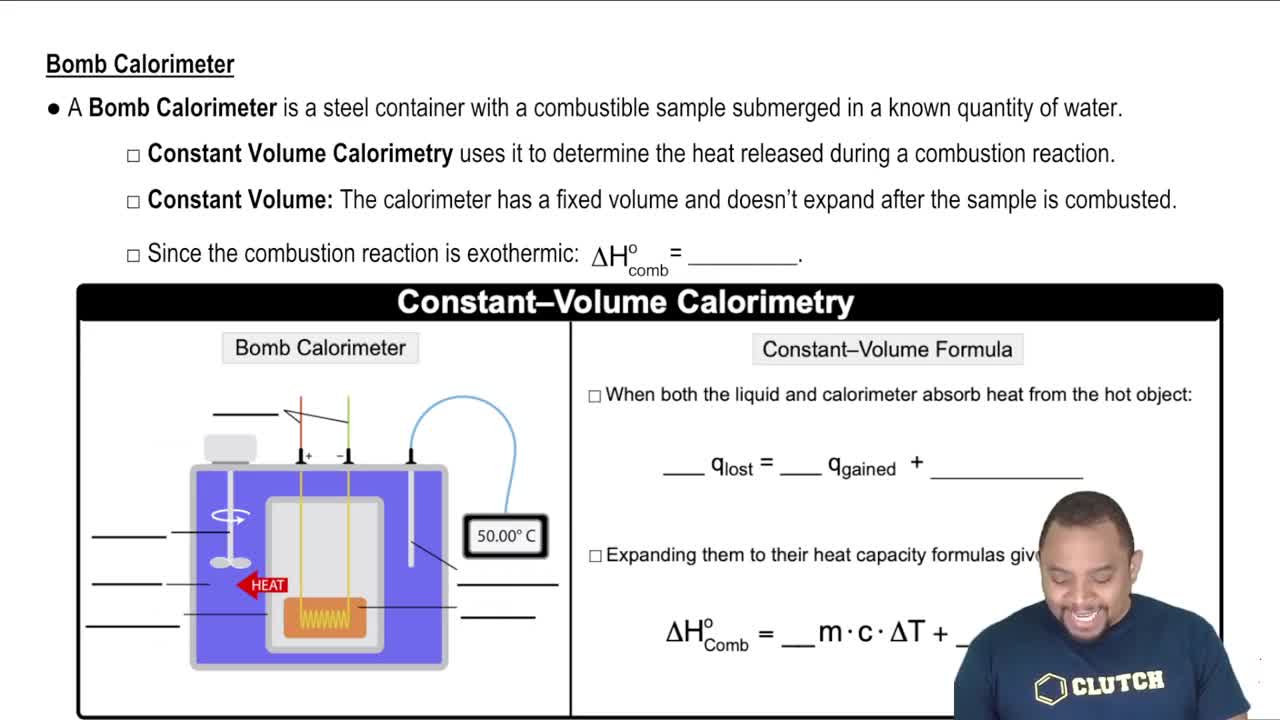
Acetone (nail polish remover) has a density of 0.7857 g/cm3. a. What is the mass in g of 28.56 mL of acetone? b. What is the volume in mL of 6.54 g of acetone?
2544
views

 Guida verificata passo dopo passo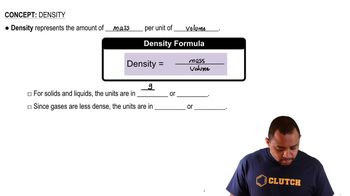
 01:56
01:56
 02:35
02:35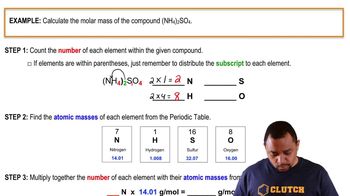 03:12
03:12Acetone (nail polish remover) has a density of 0.7857 g/cm3. a. What is the mass in g of 28.56 mL of acetone? b. What is the volume in mL of 6.54 g of acetone?
Read each measurement to the correct number of significant figures. Laboratory glassware should always be read from the bottom of the meniscus. Digital balances normally display mass to the correct number of significant figures for that particular balance.
Read each measurement to the correct number of significant figures. Laboratory glassware should always be read from the bottom of the meniscus.
Ethylene glycol (antifreeze) has a density of 1.11 g/cm3. a. What is the mass in g of 417 mL of ethylene glycol? b. What is the volume in L of 4.1 kg of ethylene glycol?
Human fat has a density of 0.918 g/cm3. How much volume (in cm3) is gained by a person who gains 10.0 lb of pure fat? the reliability of a Measurement and Significant Figures
Ethylene glycol (antifreeze) has a density of 1.11 g/cm3. a. What is the mass in g of 417 mL of ethylene glycol? b. What is the volume in L of 4.1 kg of ethylene glycol?