
Domanda del libro di testo
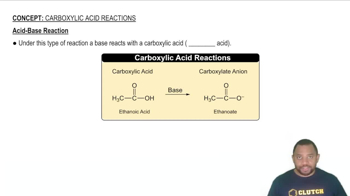
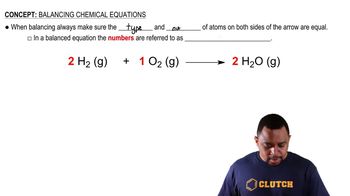
Predict the products and write a balanced molecular equation for each reaction. If no reaction occurs, write 'NO REACTION.' d. aqueous ammonium chloride and aqueous calcium hydroxide
723
views

 Guida verificata passo dopo passo
 01:09
01:09
 01:32
01:32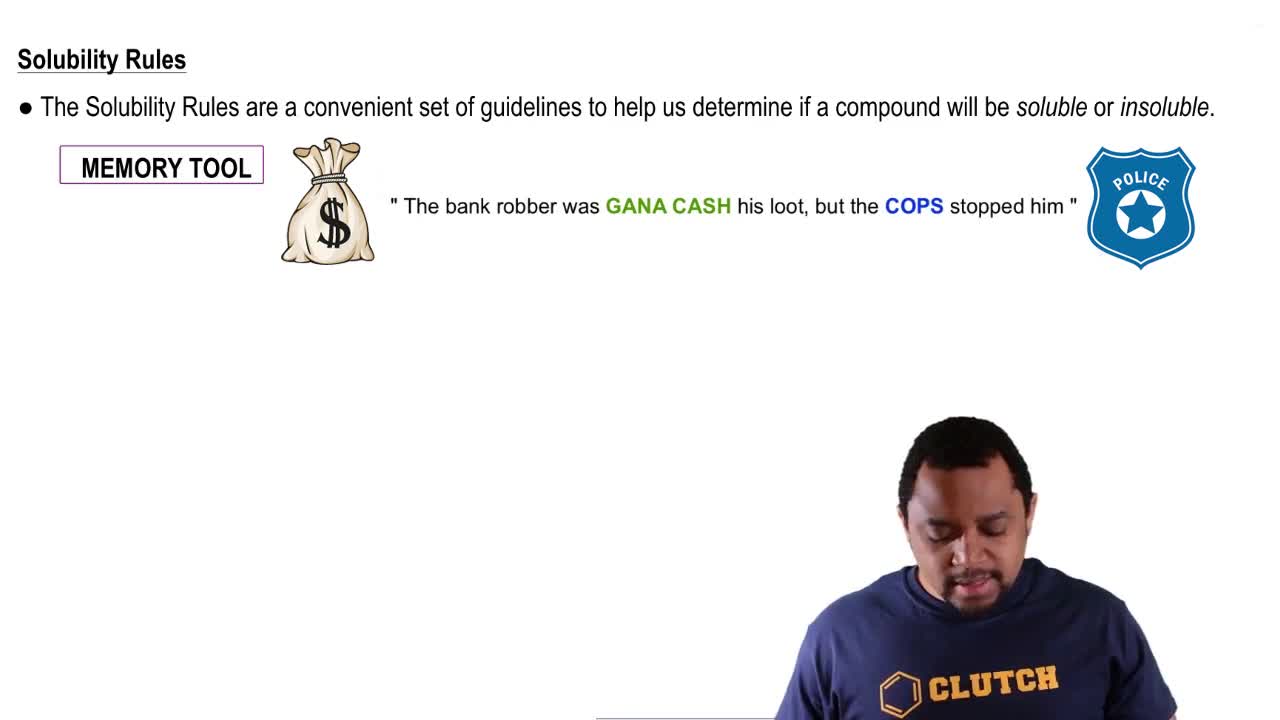 00:28
00:28Predict the products and write a balanced molecular equation for each reaction. If no reaction occurs, write 'NO REACTION.' d. aqueous ammonium chloride and aqueous calcium hydroxide
The combustion of liquid ethanol (C2H5OH) produces carbon dioxide and water. After 4.62 mL of ethanol (density = 0.789 g/mL) is allowed to burn in the presence of 15.55 g of oxygen gas, 3.72 mL of water (density = 1.00 g/mL) is collected. Determine the percent yield for the reaction. (Hint: Write a balanced equation for the combustion of ethanol.)
A hydrochloric acid solution will neutralize a sodium hydroxide solution. Look at the molecular views showing one beaker of HCl and four beakers of NaOH. Which NaOH beaker will just neutralize the HCl beaker? Begin by writing a balanced chemical equation for the neutralization reaction.
Predict the products and write a balanced molecular equation for each reaction. If no reaction occurs, write 'NO REACTION.' b. Cr(NO3)3(aq) + LiOH(aq) →