
Domanda del libro di testo
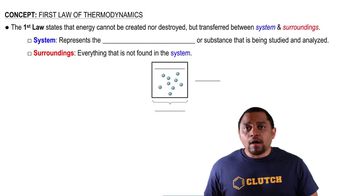
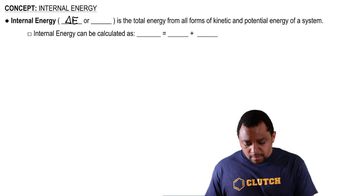
A system releases 622 kJ of heat and does 105 kJ of work on the surroundings. What is the change in internal energy of the system?
2300
views

 Guida verificata passo dopo passo
 01:18
01:18
 00:40 01:18
A system releases 622 kJ of heat and does 105 kJ of work on the surroundings. What is the change in internal energy of the system?
A kilogram of aluminum metal and a kilogram of water are each warmed to 75 °C and placed in two identical insulated containers. One hour later, the two containers are opened and the temperature of each substance is measured. The aluminum has cooled to 35 °C, while the water has cooled only to 66 °C. Explain this difference.
How much heat is required to warm 1.50 L of water from 25.0 °C to 100.0 °C? (Assume a density of 1.0 g/mL for the water.)
We pack two identical coolers for a picnic, placing 24 12-ounce soft drinks and five pounds of ice in each. However, the drinks that we put into cooler A were refrigerated for several hours before they were packed in the cooler, while the drinks that we put into cooler B were at room temperature. When we open the two coolers three hours later, most of the ice in cooler A is still present, while nearly all of the ice in cooler B has melted. Explain this difference.
A system absorbs 196 kJ of heat and the surroundings do 117 kJ of work on the system. What is the change in internal energy of the system?