Ch. 19 - Epigenetics
Klug - Concepts of Genetics 12th Edition
Klug12th EditionConcepts of GeneticsISBN: 9780135564776Non è quello che usi tu?Cambia libro di testo
Capitolo 19, Problema 1b

What is the evidence that epigenetic changes are involved in cancer?

Guida verificata passo dopo passo
1
Epigenetic changes, such as DNA methylation, are often observed in cancer cells. DNA methylation involves the addition of methyl groups to cytosine bases in CpG islands, which can silence tumor suppressor genes and contribute to cancer progression.
Histone modifications, including acetylation, methylation, and phosphorylation, are frequently altered in cancer. These changes can affect chromatin structure and gene expression, leading to the activation of oncogenes or the repression of tumor suppressor genes.
Non-coding RNAs, such as microRNAs, play a role in epigenetic regulation and are often dysregulated in cancer. These RNAs can modulate gene expression by targeting mRNA for degradation or inhibiting translation, contributing to cancer development.
Epigenetic changes are reversible, which is why they are a focus of cancer therapy research. Drugs targeting epigenetic mechanisms, such as DNA methyltransferase inhibitors and histone deacetylase inhibitors, have shown promise in restoring normal gene expression in cancer cells.
Environmental factors, such as diet, stress, and exposure to toxins, can induce epigenetic changes that increase cancer risk. These factors highlight the dynamic nature of epigenetic regulation and its role in cancer development.

Risposta video verificata per un problema simile:

Questa soluzione video è stata consigliata dai nostri tutor come utile per risolvere questo problema.
Durata del video:
1m

Concetti chiave

Ecco i concetti essenziali che devi comprendere per rispondere correttamente alla domanda.

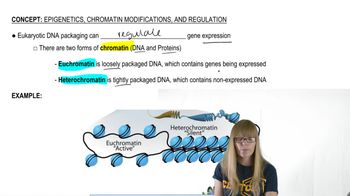
Epigenetics

Epigenetics refers to the study of heritable changes in gene expression that do not involve alterations to the underlying DNA sequence. These changes can be influenced by various factors, including environmental stimuli, and can affect how genes are turned on or off. Common epigenetic mechanisms include DNA methylation and histone modification, which play crucial roles in regulating gene activity.
Video consigliato:

DNA Methylation

DNA methylation is a key epigenetic modification where methyl groups are added to the DNA molecule, typically at cytosine bases. This process can silence gene expression by preventing transcription factors from accessing the DNA. Abnormal patterns of DNA methylation are often observed in cancer cells, leading to the silencing of tumor suppressor genes and contributing to tumorigenesis.
Video consigliato:
Percorso guidato
01:45
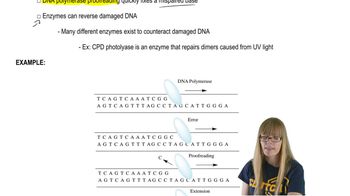
DNA Proofreading

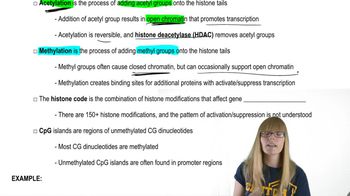
Histone Modification

Histone modification involves the addition or removal of chemical groups to histone proteins around which DNA is wrapped. These modifications, such as acetylation and phosphorylation, can alter the structure of chromatin, making it more or less accessible for transcription. In cancer, specific histone modifications can lead to the activation of oncogenes or the repression of genes that normally inhibit cell growth, thus promoting cancer development.
Video consigliato:
Percorso guidato
07:55
Histone Protein Modifications