Ch.11 Nucleic Acids Big Molecules with a Big Role
Frost - General, Organic and Biological Chemistry 4th Edition
Frost4th EditionGeneral, Organic and Biological ChemistryISBN: 9780134988696Non è quello che usi tu?Cambia libro di testo
Capitolo 7, Problema 41b

For each of the following, note whether the component can be found in a virus, a cell, or both.
b. DNA polymerase

Guida verificata passo dopo passo
1
Understand the role of DNA polymerase: DNA polymerase is an enzyme responsible for synthesizing DNA molecules by adding nucleotides to a DNA strand during replication.
Recognize where DNA polymerase is typically found: DNA polymerase is a key enzyme in cellular organisms, as it is essential for DNA replication in cells.
Consider the nature of viruses: Viruses are not cells and do not have their own machinery for replication. However, some viruses carry their own DNA polymerase if they replicate using DNA as their genetic material.
Differentiate between viruses and cells: Cells inherently contain DNA polymerase as part of their replication machinery, while viruses may or may not have DNA polymerase depending on their type (e.g., DNA viruses may include it, RNA viruses typically do not).
Conclude the answer: DNA polymerase can be found in both cells and certain types of viruses, depending on the virus's replication strategy.

Risposta video verificata per un problema simile:

Questa soluzione video è stata consigliata dai nostri tutor come utile per risolvere questo problema.
Durata del video:
3m

Concetti chiave

Ecco i concetti essenziali che devi comprendere per rispondere correttamente alla domanda.

DNA Polymerase

DNA polymerase is an enzyme critical for DNA replication and repair. It synthesizes new DNA strands by adding nucleotides complementary to the template strand. While it is primarily associated with cellular organisms, some viruses also encode their own DNA polymerases to replicate their genetic material within host cells.
Video consigliato:
Percorso guidato
1:31
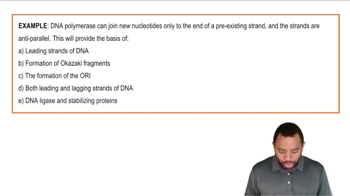
Steps of DNA Replication Example 1

Viruses vs. Cells

Viruses are acellular entities that require a host cell to replicate and do not possess the machinery for independent metabolism or reproduction. In contrast, cells are the basic units of life, capable of carrying out all necessary biological processes. Understanding the differences between these two entities is essential for determining the presence of components like DNA polymerase.
Video consigliato:
Percorso guidato
0:50
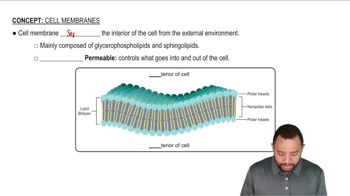
Cell Membranes Concept 1

Enzymatic Functions in Biology

Enzymes, including DNA polymerases, facilitate biochemical reactions by lowering activation energy. In biological systems, they play vital roles in processes such as DNA replication, transcription, and repair. Recognizing the function of enzymes helps in understanding their significance in both cellular and viral contexts.
Video consigliato:
Percorso guidato
04:24
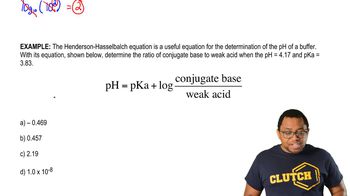
Inverse Logarithmic Functions