Ch.18 Metabolic Pathways and ATP Production
Timberlake - Chemistry: An Introduction to General, Organic, and Biological Chemistry 13th Edition
Timberlake13th EditionChemistry: An Introduction to General, Organic, and Biological ChemistryISBN: 9780134421353Non è quello che usi tu?Cambia libro di testo
Capitolo 18, Problema 12

What are the end products of the digestion of proteins?

Guida verificata passo dopo passo
1
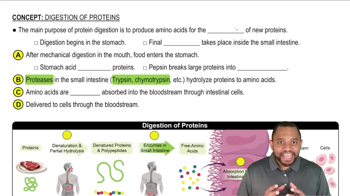
Understand that proteins are large biomolecules made up of amino acids linked by peptide bonds. During digestion, these bonds are broken down into smaller units.
Recognize that the digestion of proteins begins in the stomach, where the enzyme pepsin and hydrochloric acid work together to break proteins into smaller polypeptides.
Learn that in the small intestine, enzymes such as trypsin and chymotrypsin (produced by the pancreas) further break down polypeptides into smaller peptides.
Understand that peptidases (also produced by the pancreas and the intestinal lining) break down these smaller peptides into individual amino acids.
Conclude that the end products of protein digestion are free amino acids, which are absorbed into the bloodstream through the walls of the small intestine.

Risposta video verificata per un problema simile:

Questa soluzione video è stata consigliata dai nostri tutor come utile per risolvere questo problema.
Durata del video:
50s

Concetti chiave

Ecco i concetti essenziali che devi comprendere per rispondere correttamente alla domanda.

Protein Digestion

Protein digestion is the biochemical process by which proteins are broken down into smaller peptides and amino acids. This process begins in the stomach with the action of gastric juices and continues in the small intestine with the help of pancreatic enzymes. Understanding this process is crucial for identifying the end products of protein digestion.
Video consigliato:
Percorso guidato
2:01
Digestion of Proteins Concept 1

Amino Acids

Amino acids are the building blocks of proteins and are the primary end products of protein digestion. There are 20 different amino acids, which can be categorized as essential or non-essential. Essential amino acids must be obtained through diet, while non-essential amino acids can be synthesized by the body.
Video consigliato:
Percorso guidato
3:03
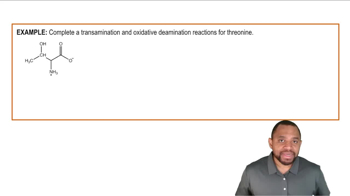
Amino Acid Catabolism: Amino Group Example 2

Peptides

Peptides are short chains of amino acids that are formed during the digestion of proteins. They can vary in length and are often further broken down into individual amino acids by enzymes. Understanding the role of peptides is important for comprehending how proteins are ultimately converted into usable forms for the body.
Video consigliato:
Percorso guidato
1:24
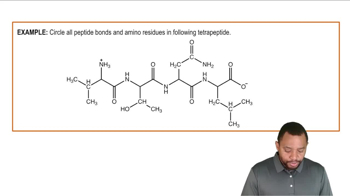
Peptides Example 1