The phosphonium ion, PH⁺₄ is formed by reaction of phosphine, PH₃ , with an acid. d. Explain why the ion has a +1 charge.
Guida verificata passo dopo passo
1
Start by identifying the reactants and products in the reaction: phosphine (PH₃) and an acid, which typically donates a proton (H⁺).
Recognize that phosphine (PH₃) is a neutral molecule with phosphorus having a lone pair of electrons.
Understand that when phosphine reacts with an acid, it accepts a proton (H⁺) from the acid, forming the phosphonium ion (PH₄⁺).
Note that the addition of a proton (H⁺) to the neutral PH₃ molecule results in an overall positive charge, as the proton carries a +1 charge.
Conclude that the phosphonium ion (PH₄⁺) has a +1 charge because it has gained a proton, which adds a positive charge to the previously neutral molecule.>
Risposta video verificata per un problema simile:
Questa soluzione video è stata consigliata dai nostri tutor come utile per risolvere questo problema.
Durata del video:
2m
Guarda un video:
0 Commenti
Concetti chiave
Ecco i concetti essenziali che devi comprendere per rispondere correttamente alla domanda.
Phosphonium Ion Formation
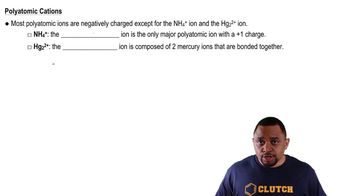
The phosphonium ion (PH₄⁺) is formed when phosphine (PH₃), a neutral molecule, reacts with a proton (H⁺) from an acid. This reaction involves the addition of a proton to the lone pair of electrons on the phosphorus atom in phosphine, resulting in a positively charged ion. Understanding this process is crucial for grasping how the charge of the ion is established.
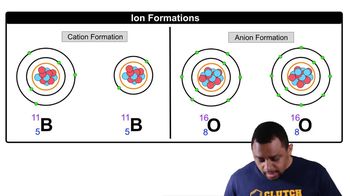
Ions are charged species that result from the loss or gain of electrons. In the case of the phosphonium ion, the addition of a proton (which has a positive charge) to the neutral phosphine molecule leads to an overall positive charge. The charge of an ion reflects the balance between the number of protons and electrons, and in PH₄⁺, there are more protons than electrons, resulting in a +1 charge.
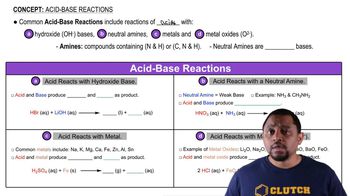
Acid-base reactions involve the transfer of protons (H⁺ ions) from acids to bases. In this context, phosphine acts as a base that accepts a proton from an acid, leading to the formation of the phosphonium ion. This concept is fundamental in understanding how different substances interact in chemical reactions and the resulting changes in charge and structure.

 2:08 minuti
 Guida verificata passo dopo passo
 01:59
01:59