 Indietro
Eukaryotic Cell Structures and Microbial Organisms in Microbiology
 03:45
03:45

Termini in questo insieme (36)
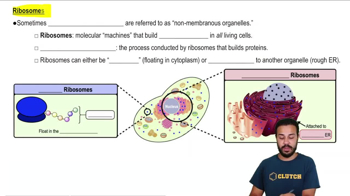
Rough ER has ribosomes for protein synthesis; Smooth ER lacks ribosomes and functions in lipid synthesis and storage, and nutrient processing.
Generates energy for the cell through aerobic respiration, with outer and folded inner membranes (cristae), produce ATP, contain DNA and ribosomes, and divide independently.
Single-celled eukaryotes, mostly free-living, some pathogenic, can survive in extreme temperatures and pH's, move by pseudopods, cilia, or flagella
Flatworms (cestodes/tapeworms and trematodes/flukes) and roundworms (nematodes).
What is pseudohypha?
Chain of yeast cells that form from budding that never breaks off
What is myceliem?
the woven, intertwining mass of hyphae fungi that makes up the body or colony of a mold
What are spores?
The product of reproductive, fertile hyphae
Sporangiospores
formed by successive cleavages within a saclike head called a sporangium, which is attached to a stalk (the sporangiophore)
Conidiospores/conidia
free spores not enclosed by a spore-bearing sac
ciliate vs amoeba protozoan
cell shape remains constant in most ciliates but changes constantly in amoebas
Nematodes (roundworms)
elongated, cylindrical, unsegmented, smooth bodies; sexes are separate and different in appearance
Trematodes (flukes)
thin, often segmented body; sexes can be separate or hermaphroditic
Cestodes (tapeworms)
very thin, often segmented body; generally hermaphroditic
How many species of helminths cause disease in humans?
About 50
How many helminth infections in North America each year?
about 50 million