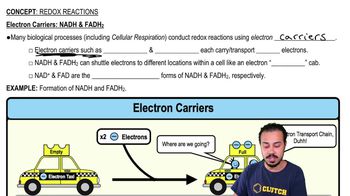
What are the carrier molecules found in the electron transport chain?
Carrier molecules include **NADH**, **FADH2**, and various **cytochromes** that transfer electrons through the chain.
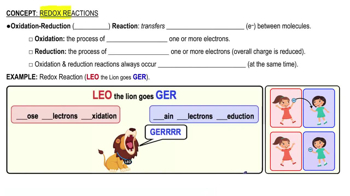
What is a redox reaction?
A **redox reaction** involves the transfer of electrons where one molecule is **oxidized** (loses electrons) and another is **reduced** (gains electrons).
What are reducing and oxidizing agents?
**Reducing agents** donate electrons and become oxidized; **oxidizing agents** accept electrons and become reduced.
What is carbon fixation?
Carbon fixation is the process of converting inorganic **CO2** into organic molecules during photosynthesis.
What molecule is regenerated in the Calvin-Benson cycle?
**Ribulose bisphosphate (RuBP)** is regenerated to continue the Calvin-Benson cycle.
What energy source is provided in the light-dependent reactions?
Light-dependent reactions provide **ATP** and **NADPH** as energy sources for the Calvin cycle.
Where does aerobic respiration occur?
Aerobic respiration occurs in the **mitochondrial membrane** of eukaryotes and the **plasma membrane** of prokaryotes.
What is ATP?
**Adenosine triphosphate (ATP)** is the primary energy currency of the cell.
What is ATP synthase?
**ATP synthase** is an enzyme that synthesizes ATP using the proton gradient during chemiosmosis.
How much ATP can be produced from one glucose molecule?
Up to approximately **38 ATP** molecules can be produced from one glucose molecule in aerobic respiration.
How does ATP release its energy?
ATP releases energy by **hydrolyzing** the terminal phosphate bond, forming ADP and inorganic phosphate.
What happens to pyruvic acid in respiration?
Pyruvic acid is converted to **acetyl-CoA** before entering the Krebs cycle or undergoes fermentation if oxygen is absent.
Define substrate-level phosphorylation.
Substrate-level phosphorylation is the direct transfer of a phosphate group to ADP from a phosphorylated intermediate.
Define chemiosmotic (oxidative) phosphorylation.
Chemiosmotic phosphorylation uses a proton gradient across a membrane to drive ATP synthesis via ATP synthase.
Define photophosphorylation.
Photophosphorylation is ATP production using light energy to create a proton gradient in photosynthetic organisms.
Difference between aerobic and anaerobic respiration?
Aerobic respiration uses **oxygen** as the final electron acceptor; anaerobic respiration uses other molecules like nitrate or sulfate.
What are the end products of fermentation?
End products include **lactic acid**, **ethanol**, **CO2**, and other organic acids depending on the pathway.
What are the three main steps in respiration?
The three steps are **glycolysis**, the **Krebs cycle**, and the **electron transport chain**.
What molecule is recycled in the Krebs cycle?
**Oxaloacetate** is regenerated to combine with acetyl-CoA and continue the Krebs cycle.
What process does fermentation participate in?
Fermentation regenerates **NAD+** to allow glycolysis to continue under anaerobic conditions.
What is activation energy and how do enzymes affect it?
Activation energy is the energy needed to start a reaction; enzymes **lower activation energy** to speed up reactions.
How do temperature and pH affect enzymes?
Extreme temperature or pH can **denature enzymes**, reducing their activity or inactivating them.
Difference between competitive, non-competitive, and allosteric inhibition?
Competitive inhibitors bind the active site; non-competitive bind elsewhere; allosteric inhibitors bind a regulatory site changing enzyme shape.
What is phosphofructokinase?
Phosphofructokinase is a key **regulatory enzyme** in glycolysis controlling the conversion of fructose-6-phosphate.
What is a serovar?
A serovar is a distinct variation within a species of bacteria or virus classified by surface antigens.
What are carboxysomes?
Carboxysomes are bacterial microcompartments that concentrate CO2 for efficient carbon fixation.
What are disadvantages of the pentose phosphate pathway?
Disadvantages include lower ATP yield and diversion of glucose-6-phosphate from glycolysis.
 Indietro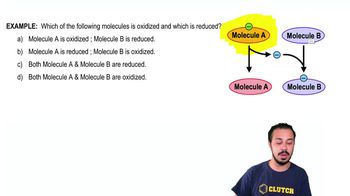
 01:44
01:44