 Indietro
Microbiology: Pathogenicity and Virulence
 02:35
02:35
Termini in questo insieme (24)
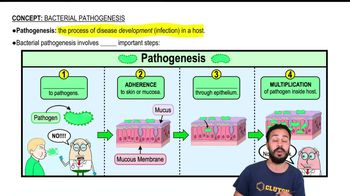
Pathogenicity is the ability of a microorganism to cause disease.
Virulence refers to the degree or severity of pathogenicity.
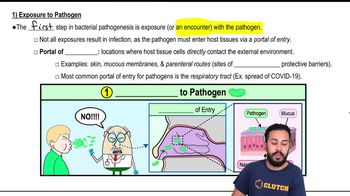
Common portals include mucous membranes (respiratory, digestive, urinary, reproductive tracts), skin, and the parenteral route (direct tissue entry).
The respiratory tract is the most common portal of entry for pathogens.
ID50 is the infectious dose required to infect 50% of a test population, measuring microbial infectivity.
LD50 is the lethal dose of a toxin or pathogen that kills 50% of a test population.
Adherence is the attachment of pathogens to host cells, often mediated by adhesins binding to host receptors.
Fimbriae help bacteria attach; viral spikes help viruses attach to host cells.
Capsules impair phagocytosis, helping bacteria evade immune cells.
Mycolic acid resists digestion by lysosomal enzymes, aiding bacterial survival inside host cells.
Coagulases form clots, kinases digest clots, hyaluronidase digests hyaluronic acid, collagenase breaks down collagen, and IgA proteases destroy IgA antibodies.
Antigenic variation is the alteration of surface proteins to evade the host immune response.
Influenza viruses and Neisseria gonorrhoeae use antigenic variation to avoid immunity.
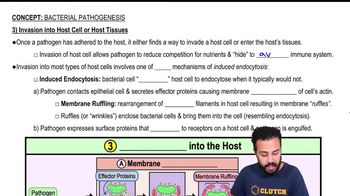
Invasins rearrange host actin filaments causing membrane ruffling, which facilitates bacterial engulfment.
Biofilms protect bacteria from antibiotics and disinfectants and are involved in about 65% of infections.
Exotoxins are proteins secreted by bacteria that target specific host cells and cause damage.
Antitoxins are antibodies against toxins; toxoids are inactivated exotoxins used in vaccines.
A-B toxins have two parts: part A is the enzyme component, and part B binds to the host cell. Example: diphtheria toxin.
Endotoxins are lipid A components of gram-negative bacterial LPS released upon cell death, causing immune activation.
Exotoxins are usually proteins, heat labile, and secreted; endotoxins are lipid components, heat stable, and part of the bacterial outer membrane.
Lysogenic conversion occurs when a bacteriophage integrates into bacterial DNA, altering bacterial virulence.
Viruses evade immunity by living inside host cells and using antigenic variation to avoid detection.
Cytopathic effects are visible structural changes in host cells caused by viral infection.
Respiratory pathogens exit via coughing/sneezing, GI pathogens via feces, and bloodborne pathogens via needles or bites.