Ch. 17 - Skin and Eye Infections
Norman-McKay- Microbiology: Basic and Clinical Principles 2nd Edition
Norman-McKay2nd EditionMicrobiology: Basic and Clinical PrinciplesISBN: 9780137661619Non è quello che usi tu?Cambia libro di testo
Capitolo 13, Problema 4

Choose the false statement about HSV-1:
a. Viruses may be transmitted via wrestling mats.
b. Viruses may be transmitted via contact with lesions.
c. Viruses may be transmitted via the saliva of others with the virus.
d. Viruses may reactivate under stress-inducing conditions.
e. Viruses can be easily cured with common antivirals.

Guida verificata passo dopo passo
1
Step 1: Understand the nature of HSV-1 (Herpes Simplex Virus type 1), which primarily causes oral herpes and is transmitted through direct contact with infected secretions or lesions.
Step 2: Evaluate each statement based on known transmission routes and characteristics of HSV-1:
- a. HSV-1 can be transmitted via fomites like wrestling mats, but this is less common because the virus does not survive long on inanimate objects.
- b. Transmission via contact with active lesions is a well-established route.
- c. Transmission through saliva from infected individuals is common, even when lesions are not present.
- d. HSV-1 can reactivate under stress or immunosuppression, causing recurrent outbreaks.
- e. HSV-1 infections are not easily cured; antivirals can manage symptoms and reduce outbreaks but do not eliminate the virus.
Step 3: Identify the false statement by comparing the typical clinical and virological facts about HSV-1 with each option.

Risposta video verificata per un problema simile:

Questa soluzione video è stata consigliata dai nostri tutor come utile per risolvere questo problema.
Durata del video:
3m

Concetti chiave

Ecco i concetti essenziali che devi comprendere per rispondere correttamente alla domanda.

Transmission Modes of HSV-1

Herpes Simplex Virus type 1 (HSV-1) primarily spreads through direct contact with infected bodily fluids or lesions. Common transmission routes include saliva and contact with active sores, while indirect transmission via inanimate objects like wrestling mats is less common but possible under certain conditions.
Video consigliato:
04:23
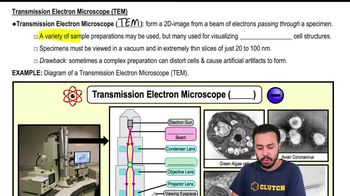
Transmission Electron Microscope (TEM)

Latency and Reactivation of HSV-1

HSV-1 can establish latency in nerve cells, remaining dormant for long periods. Stress, illness, or immune suppression can trigger viral reactivation, leading to recurrent lesions. This characteristic explains why HSV-1 infections can recur throughout a person's life.
Video consigliato:
04:43
Reactive Oxygen Species

Treatment and Cure of HSV-1

While antiviral medications like acyclovir can reduce the severity and duration of HSV-1 outbreaks, they do not cure the infection. HSV-1 remains in the body indefinitely, and current treatments only manage symptoms and reduce transmission risk.
Video consigliato:
02:52
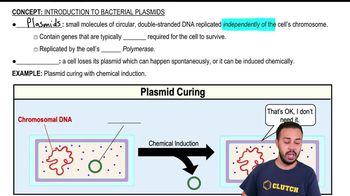
Introduction to Bacterial Plasmids