Ch. 21 - Cardiovascular and Lymphatic Infections
Norman-McKay- Microbiology: Basic and Clinical Principles 2nd Edition
Norman-McKay2nd EditionMicrobiology: Basic and Clinical PrinciplesISBN: 9780137661619Non è quello che usi tu?Cambia libro di testo
Capitolo 17, Problema 15

How does Rickettsia rickettsii damage blood vessels?
a. It blocks blood vessels and causes vessel inflammation.
b. It releases a toxin that destroys blood vessels.
c. It causes sepsis and septic shock, which damages blood vessels.
d. It avoids antibodies by binding to blood vessel surfaces.
e. It infects the epithelial cells of the vessels.

Guida verificata passo dopo passo
1
Step 1: Understand the nature of Rickettsia rickettsii. It is an obligate intracellular bacterium known to infect cells lining the blood vessels.
Step 2: Recall that Rickettsia rickettsii primarily targets endothelial cells, which are the epithelial cells lining the interior surface of blood vessels.
Step 3: Recognize that infection of endothelial cells leads to cell damage and increased vascular permeability, which can cause inflammation and leakage.
Step 4: Evaluate each answer choice by comparing it to the known mechanism: it does not primarily block vessels, release toxins, cause sepsis directly, or evade antibodies by binding to vessel surfaces.
Step 5: Conclude that the correct mechanism involves infection of the endothelial (epithelial) cells of blood vessels, leading to damage and inflammation.

Risposta video verificata per un problema simile:

Questa soluzione video è stata consigliata dai nostri tutor come utile per risolvere questo problema.
Durata del video:
2m

Concetti chiave

Ecco i concetti essenziali che devi comprendere per rispondere correttamente alla domanda.

Pathogenesis of Rickettsia rickettsii

Rickettsia rickettsii is an obligate intracellular bacterium that primarily infects endothelial cells lining small blood vessels. Its replication inside these cells leads to cell damage and inflammation, causing increased vascular permeability and vasculitis, which underlies the clinical symptoms of Rocky Mountain spotted fever.
Video consigliato:
02:35
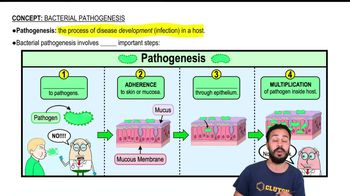
Intro to Bacterial Pathogenesis

Role of Endothelial Cell Infection in Vascular Damage

Infection of endothelial cells by Rickettsia rickettsii disrupts the integrity of blood vessel walls. This damage results in leakage of plasma and red blood cells into surrounding tissues, leading to characteristic rash and edema. The direct infection, rather than toxin release, is key to vascular injury.
Video consigliato:
02:38
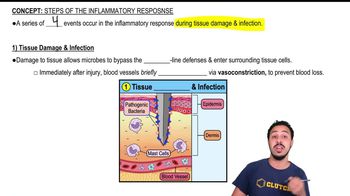
1) Tissue Damage & Infection

Immune Response and Inflammation in Rickettsial Infections

The host immune response to Rickettsia infection involves inflammation that contributes to vessel damage. Activated immune cells release cytokines and mediators that exacerbate endothelial injury and promote vasculitis, which can lead to complications like thrombosis and shock if untreated.
Video consigliato:
02:57
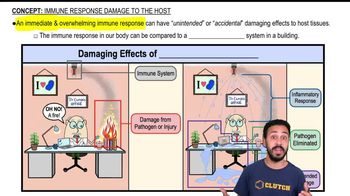
Intro to Immune Response Damage