Domanda del libro di testo
Match the following choices to the statements in questions 5–7:
a. IgA
b. IgD
c. IgE
d. IgG
e. IgM
Antibodies that protect the fetus and newborn.
1717
views

 Tortora 14th EditionCh. 17 - Adaptive Immunity: Specific Defenses of the HostProblema 3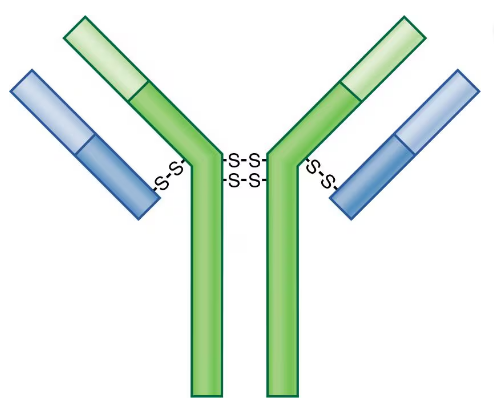
 Guida verificata passo dopo passo
 05:40
05:40
 03:18
03:18 03:34
03:34Match the following choices to the statements in questions 5–7:
a. IgA
b. IgD
c. IgE
d. IgG
e. IgM
Antibodies that protect the fetus and newborn.
Match the following choices to questions 1–4:
a. Innate resistance
b. Naturally acquired active immunity
c. Naturally acquired passive immunity
d. Artificially acquired active immunity
e. Artificially acquired passive immunity
The type of protection resulting from recovery from an infection.
What does MHC stand for? What is the function of MHC? What types of T cells interact with MHC class I? With MHC class II?
Diagram the roles that T cells and B cells play in immunity.
Match the following choices to questions 1–4:
a. Innate resistance
b. Naturally acquired active immunity
c. Naturally acquired passive immunity
d. Artificially acquired active immunity
e. Artificially acquired passive immunity
A newborn’s immunity to yellow fever.
Match the following choices to questions 1–4:
a. Innate resistance
b. Naturally acquired active immunity
c. Naturally acquired passive immunity
d. Artificially acquired active immunity
e. Artificially acquired passive immunity
The type of protection resulting from recovery from an infection.