
Ch. 25 - Microbial Diseases of the Digestive System
Tortora - Microbiology: An Introduction 14th Edition
Tortora14th EditionMicrobiology: An IntroductionISBN: 9780138200398Non è quello che usi tu?Cambia libro di testo
Capitolo 21, Problema 6

Explain how the following diseases differ and how they are similar: giardiasis, amebic dysentery, cyclosporiasis, and cryptosporidiosis.

Guida verificata passo dopo passo
1
Step 1: Identify the causative agents of each disease. Giardiasis is caused by the protozoan Giardia lamblia, amebic dysentery by Entamoeba histolytica, cyclosporiasis by Cyclospora cayetanensis, and cryptosporidiosis by Cryptosporidium species.
Step 2: Compare the mode of transmission for all four diseases. Typically, these diseases are transmitted via the fecal-oral route, often through contaminated water or food, which is a key similarity.
Step 3: Examine the clinical symptoms and disease manifestations. Giardiasis often causes diarrhea and malabsorption, amebic dysentery leads to bloody diarrhea and intestinal ulcers, cyclosporiasis causes watery diarrhea and cramping, and cryptosporidiosis results in watery diarrhea, especially severe in immunocompromised individuals.
Step 4: Discuss the life cycle differences. For example, Entamoeba histolytica can invade tissues causing dysentery, while Giardia lamblia primarily colonizes the small intestine without tissue invasion. Cyclospora and Cryptosporidium have oocysts that require environmental maturation before becoming infectious.
Step 5: Summarize the similarities such as being protozoan infections transmitted fecal-orally causing gastrointestinal symptoms, and differences including the specific pathogens involved, severity and type of symptoms, and life cycle characteristics.

Risposta video verificata per un problema simile:

Questa soluzione video è stata consigliata dai nostri tutor come utile per risolvere questo problema.

Concetti chiave

Ecco i concetti essenziali che devi comprendere per rispondere correttamente alla domanda.

Causative Agents and Classification

Understanding the specific protozoan parasites responsible for each disease is essential. Giardiasis is caused by Giardia lamblia, amebic dysentery by Entamoeba histolytica, cyclosporiasis by Cyclospora cayetanensis, and cryptosporidiosis by Cryptosporidium species. These organisms differ in taxonomy and life cycle, influencing disease characteristics.
Video consigliato:
03:24
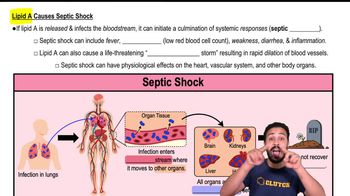
Lipid A Causes Septic Shock

Transmission and Infection Mechanisms

All four diseases are transmitted primarily through ingestion of contaminated water or food containing infectious cysts or oocysts. Knowing how each parasite infects the host, including their environmental resilience and modes of transmission, helps explain similarities in epidemiology and prevention strategies.
Video consigliato:
01:59
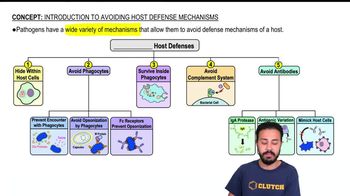
Introduction to Avoiding Host Defense Mechanisms

Clinical Manifestations and Pathology

While all cause gastrointestinal symptoms like diarrhea, the severity and pathology vary. Amebic dysentery often involves invasive colonic ulcers and bloody diarrhea, whereas giardiasis typically causes malabsorption and watery diarrhea. Cyclosporiasis and cryptosporidiosis also cause watery diarrhea but differ in immune response and disease duration.