Skip to main content
Nutrition
Il mio corso
Impara
Preparazione agli esami
AI Tutor
Guide di studio
Flashcard
Prova l'app
Il mio corso
Impara
Preparazione agli esami
AI Tutor
Guide di studio
Flashcard
Prova l'app
Indietro
Dietary Guidelines for Vitamins exam
Puoi toccare per girare la carta.
What does RDA stand for?
Puoi toccare per girare la carta.
👆
What does RDA stand for?
Recommended Dietary Allowance.
Avanzamenti del tracciato
I pulsanti di controllo sono stati cambiati in modalità "navigazione".
1/30
Flashcard correlate
Pratica correlata
Video consigliati
Dietary Guidelines for Vitamins definitions
Dietary Guidelines for Vitamins
15 Termini
Dietary Guidelines for Vitamins quiz
Dietary Guidelines for Vitamins
15 Termini
Dietary Guidelines for Vitamins
7. Vitamins
10 Problemi
Argomento
Other Vitamin-Like Nutrients
7. Vitamins
10 Problemi
Argomento
7. Vitamins
5 Argomenti
15 Problemi
Capitolo
VideoThumbView.guidedCourse
03:11
Dietary Guideline for Vitamins
240
views
3
rank
VideoThumbView.guidedCourse
01:59
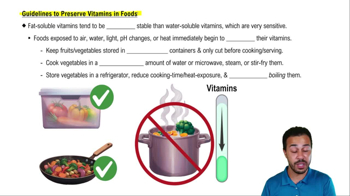
Guidelines to Preserve Vitamins in Foods
193
views
2
rank
VideoThumbView.guidedCourse
01:58
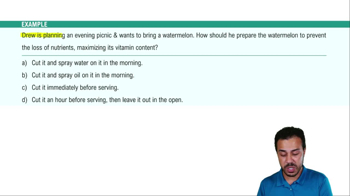
Dietary Guidelines for Vitamins Example 1
168
views
2
rank
Termini in questo insieme (30)
Nascondere definizioni
What does RDA stand for?
Recommended Dietary Allowance.
Fat-soluble vitamins
Vitamins that dissolve in fat and are stored in the body; include vitamins A, D, E, and K.
Why should vitamin supplements be used cautiously?
They can lead to toxicity, especially with fat-soluble vitamins, and should not replace a healthy diet.
Adequate Intake (AI)
A recommended average daily nutrient intake level based on observed or experimentally determined estimates.
What is the main risk of overconsuming fat-soluble vitamins?
Toxicity, since they are stored in the body and not easily excreted.
Tolerable Upper Intake Level (UL)
The maximum daily intake unlikely to cause harmful effects for most people.
How can you best meet your vitamin needs?
By eating a balanced diet rich in fruits, vegetables, whole grains, and lean dairy.
Micronutrients
Nutrients required in small amounts, such as vitamins and minerals.
What is a fortified food?
A food to which nutrients have been added to increase its nutritional value.
Why should you limit processed and fortified foods?
They may lack beneficial nutrients and contain added sugars or artificial additives.
Water-soluble vitamins
Vitamins that dissolve in water and are not stored in the body; excess is excreted in urine.
How can you preserve vitamins in fruits and vegetables?
Store in airtight containers, minimize cutting, cook with little water, and avoid boiling.
Who may benefit from vitamin supplements?
Pregnant women, infants, vegans, lactose intolerant individuals, and people with certain diseases.
Vitamin B9 (Folate/Folic Acid)
A vitamin important for pregnant women to prevent neural tube defects in the fetus.
What is the risk of boiling vegetables?
It can cause significant loss of vitamin content due to heat and water exposure.
Why are water-soluble vitamin supplements often unnecessary?
Excess amounts are excreted in urine, making supplementation often a waste of money.
Nutrient-dense foods
Foods that provide a high amount of vitamins and minerals relative to their calorie content.
What is the main guideline for vitamin supplementation?
Use only when dietary intake is insufficient, and preferably under professional guidance.
Vitamin B12 (Cobalamin)
A vitamin that vegans are at risk of being deficient in, as it is mainly found in animal products.
How does exposure to air, light, and heat affect vitamins?
It can degrade vitamins, reducing their content and usability in foods.
Why is a varied diet important for vitamin intake?
It helps ensure you get all the different vitamins your body needs.
What is the difference between RDA and AI?
RDA is based on scientific evidence for most people; AI is used when there isn't enough evidence for an RDA.
Vitamin D deficiency risk group
Lactose intolerant individuals, since they may avoid fortified dairy products.
What are signs of vitamin toxicity?
Nausea, digestive issues, and harmful interactions with medications, especially with fat-soluble vitamins.
Why should you avoid cutting fruits and vegetables too early?
To reduce exposure to air and preserve vitamin content.
Processed foods
Foods that have been altered from their natural state and may contain fewer beneficial nutrients.
What cooking methods best preserve vitamins?
Microwaving, steaming, or stir-frying with minimal water.
Who is at risk for vitamin deficiencies?
People with restricted diets, allergies, or certain diseases.
Why is it unnecessary to memorize RDA and UL values?
A balanced diet usually meets needs, and excess intake is rare without supplements.
What is the main function of dietary guidelines for vitamins?
To help people consume adequate vitamins and avoid deficiency or toxicity.
 IndietroIndietro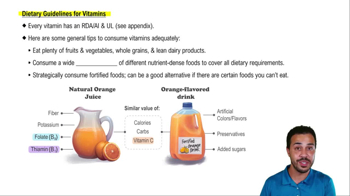
 03:11
03:11