Indietro

Organic Chemistry I: Core Concepts, Mechanisms, and Applications – Study Guide

Guida di studio - Impara con i video

Lezioni curate abbinate al materiale che hai caricato – impara ogni argomento passo dopo passo.

Acid and Base Definitions

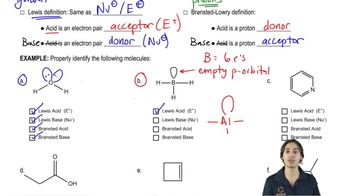
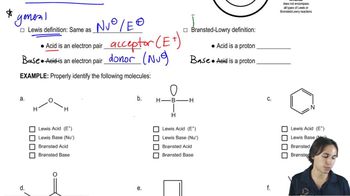
  • Lewis vs. Bronsted-Lowry Definition
    07:46
  • The Bronsted-Lowry definition of acids and bases.
    00:54
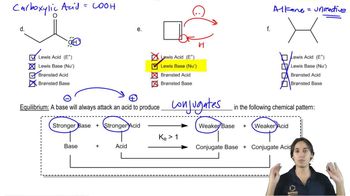
  • Equilibrium constant and conjugates.
    02:11

pKa Values

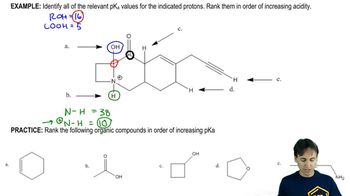
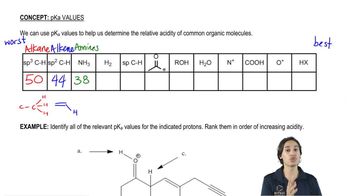
  • Identifying pKa values
    07:45
  • The 12 pKa values you want to memorize (because they are important!).
    09:36

Acid Base Equilibrium

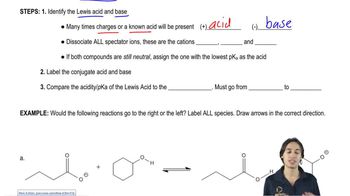
  • The 3 steps for determining the direction of acid and base equilibrium.
    05:11
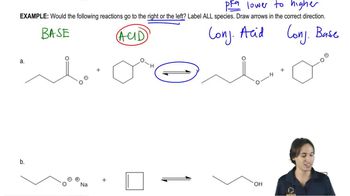
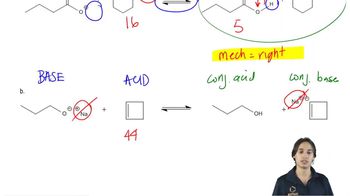
  • Determining Acid/Base Equilibrium
    04:00
  • Determining Acid/Base Equilibrium
    02:34

Factors Affecting Acidity

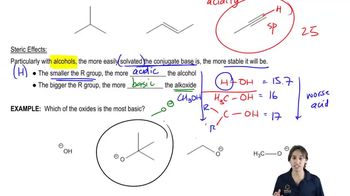
  • Which of the oxides is the most basic?
    00:30
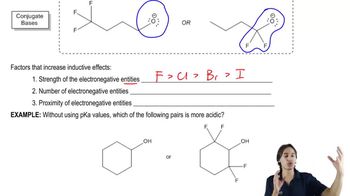
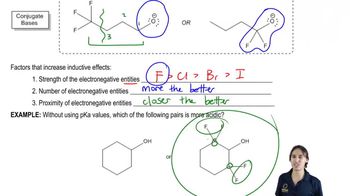
  • The 3 factors that determine the strength of inductive effects.
    03:09
  • Using Inductive Effect to determine acidity
    01:54

Substitution Comparison

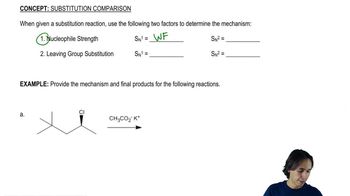
  • How do we predict if the mechanism is SN1 or SN2?
    03:32

The SN2 Mechanism

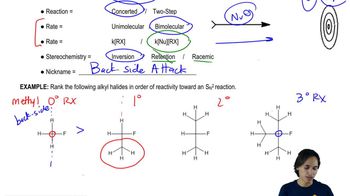
  • Ranking reactivity toward SN2
    04:03
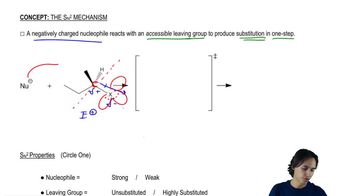
  • Drawing the SN2 Mechanism
    08:33
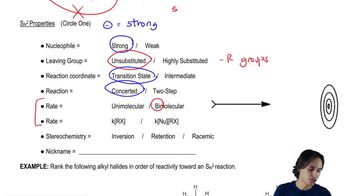
  • Understanding the properties of SN2.
    11:57

SN1 Mechanism

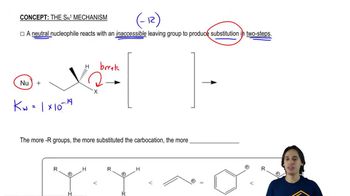
  • Drawing the SN1 Mechanism
    10:49
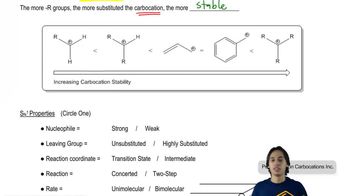
  • Why highly substituted leaving groups favor SN1.
    01:13
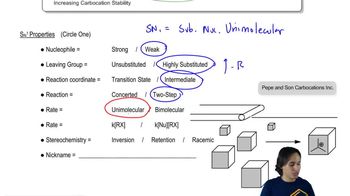
  • Understanding the properties of SN1.
    08:16

E2 Mechanism

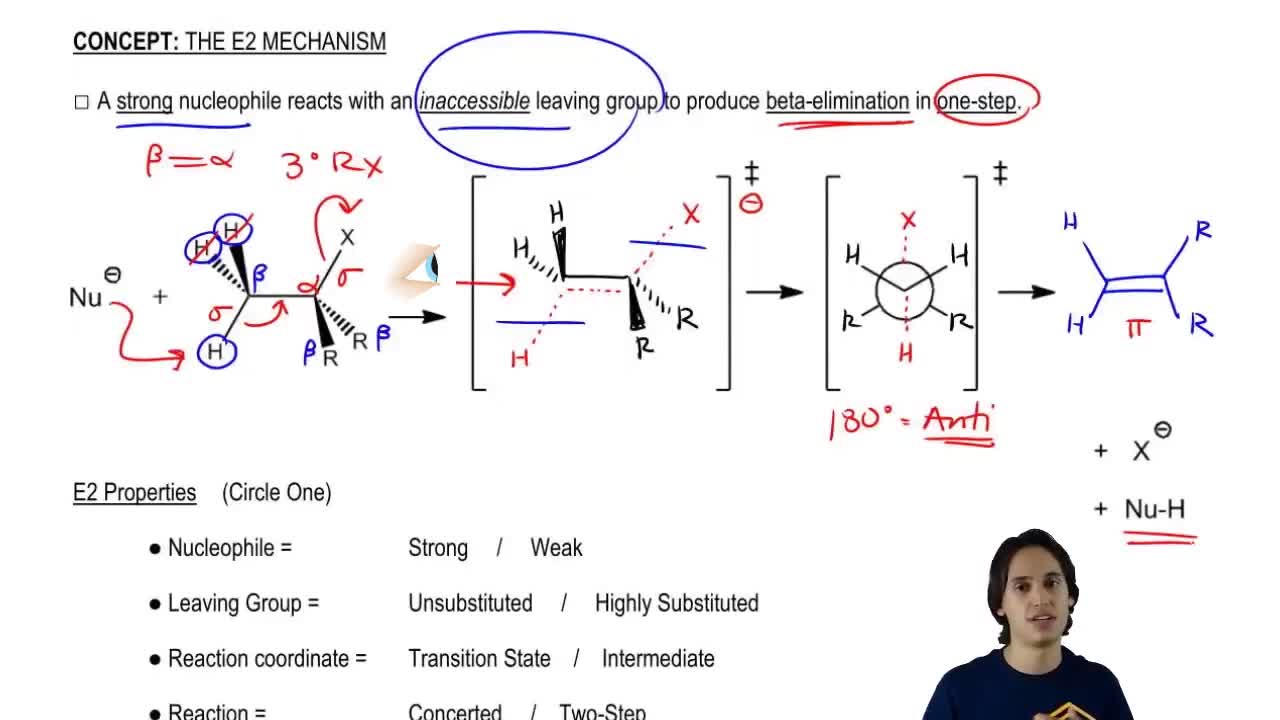
  • Understanding the properties of E2.
    04:42
  • Drawing the E2 Mechanism.
    09:36
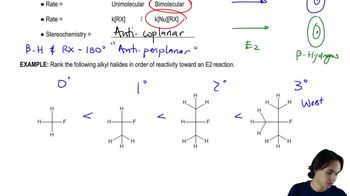
  • Rank reactivity toward E2
    02:03

The E1 Mechanism

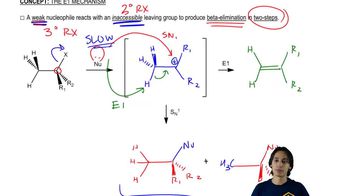
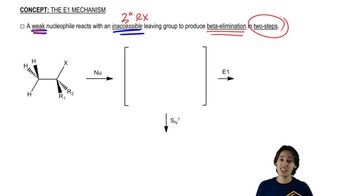
  • Understanding the properties of E1.
    03:32
  • Drawing the E1 Mechanism.
    08:09

Leaving Groups

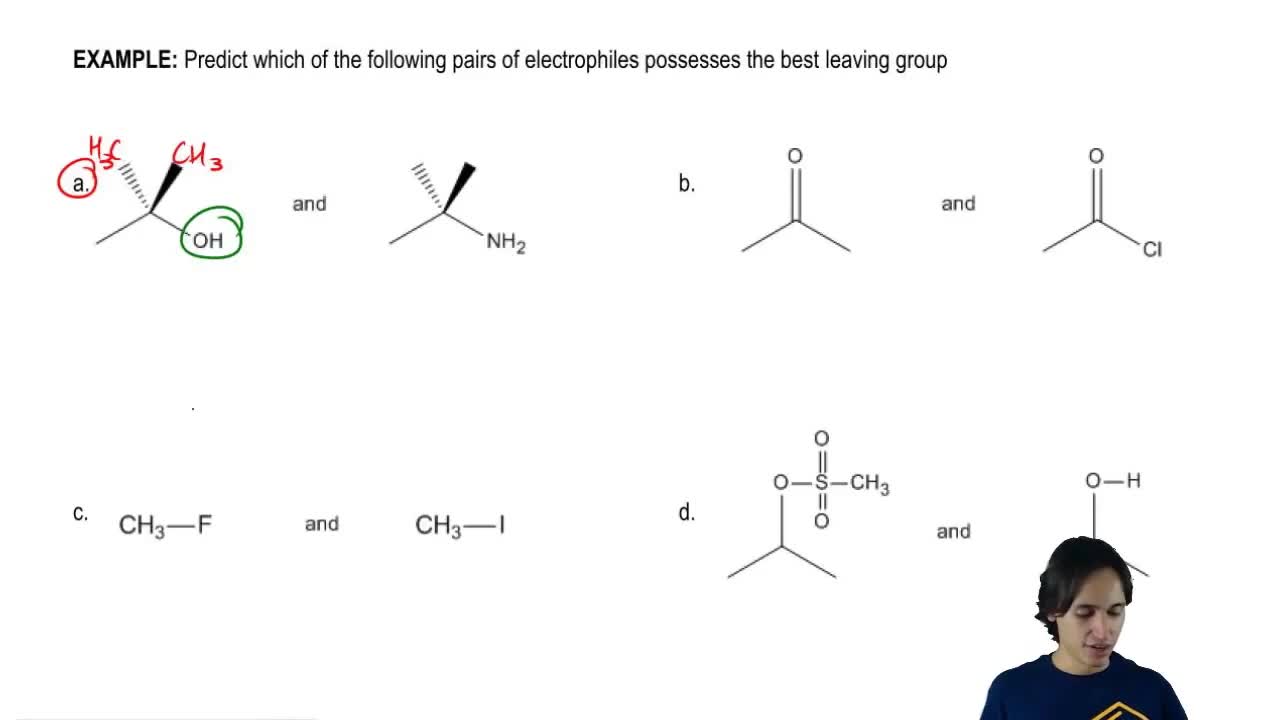
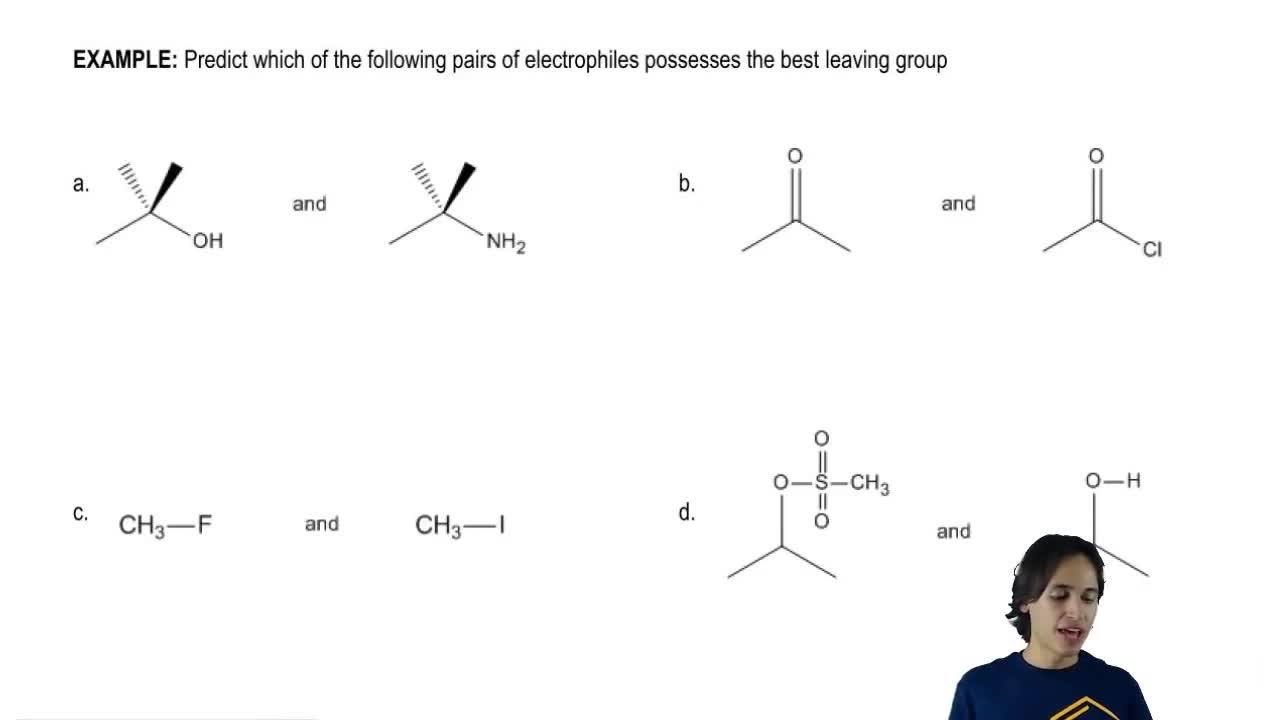
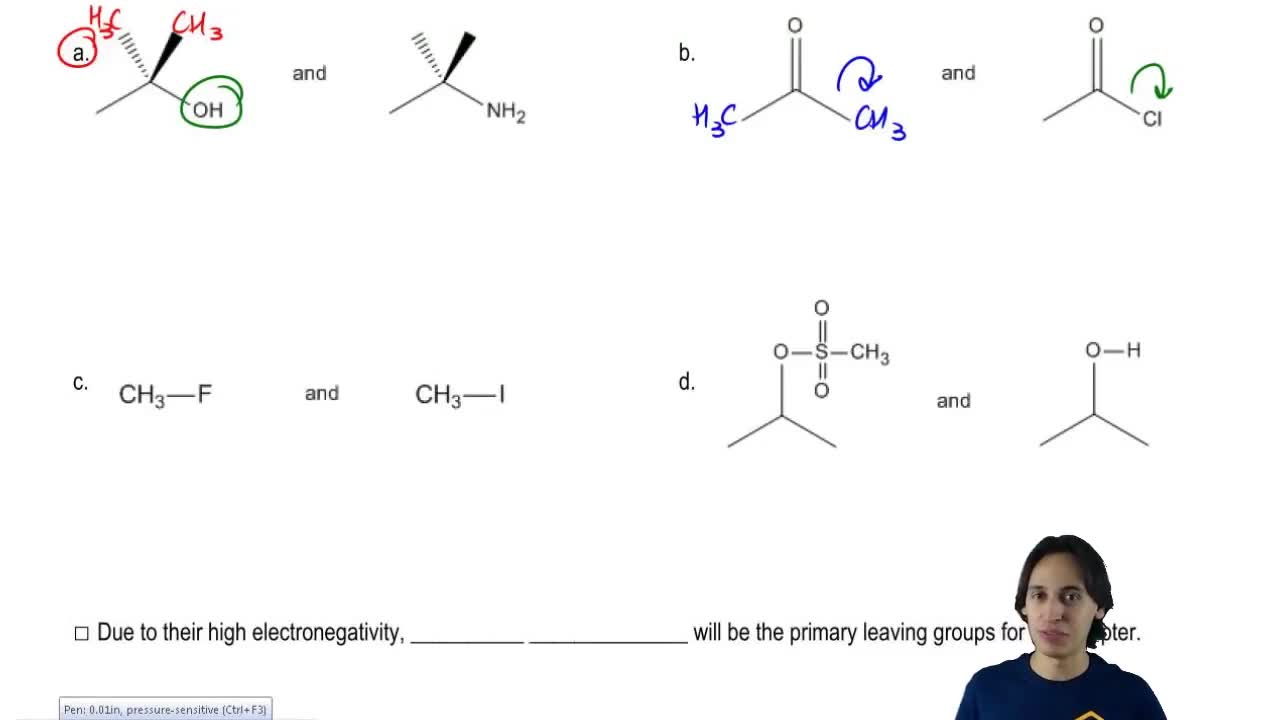
  • Predict the best leaving group
    00:50
  • Predict the best leaving group
    01:12
  • Predict the best leaving group
    00:36

Nucleophiles and Basicity

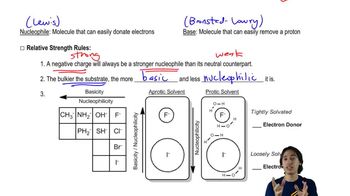
  • Understanding the difference between basicity and nucleophilicity.
    06:21

Substitution Comparison

  • How do we predict if the mechanism is SN1 or SN2?
    03:32

Stability of Alkenes

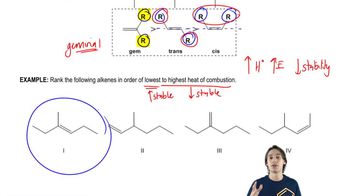
  • Heat of Combustion
    02:55
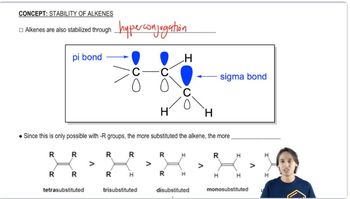
  • Understanding trends of alkene stability.
    04:28

Naming Alkenes

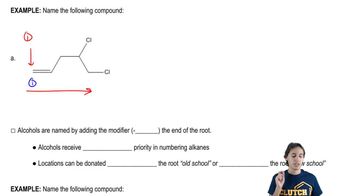
  • Name the following alkene
    02:04
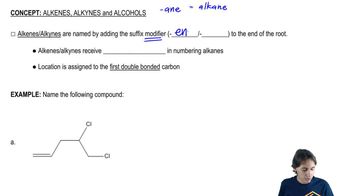
  • How to name alkenes and alkynes
    01:55

Markovnikov's Rule

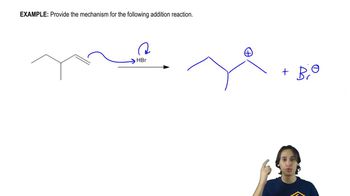
  • Provide the mechanism
    01:26
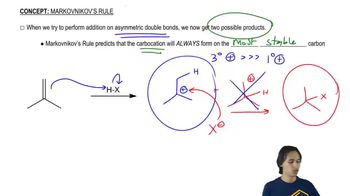
  • How to add to asymmetrical double bonds.
    03:38

Hydrohalogenation

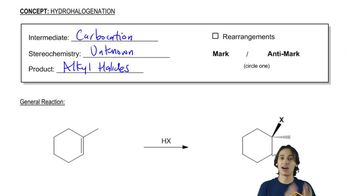
  • General properties of hydrohalogenation.
    04:07
  • Provide the mechanism
    02:24

Hydroboration-Oxidation

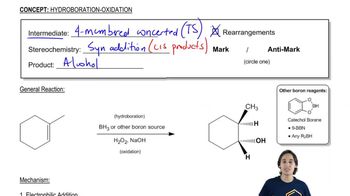
  • General properties of hydroboration-oxidation.
    06:38
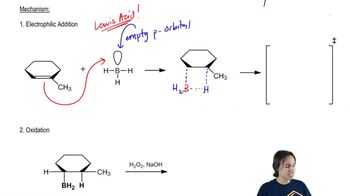
  • Acid-catalyzed hydroboration-oxidation mechanism
    06:14

Catalytic Hydrogenation and Wilkinson's Catalyst

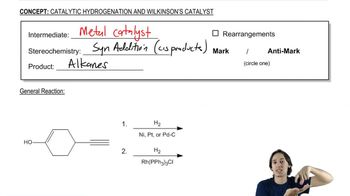
  • General properties of catalytic hydrogenation.
    05:21

Epoxidation

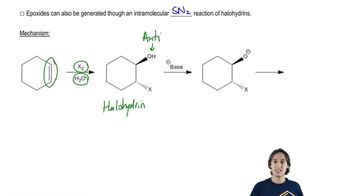
  • Halohydrins to epoxides via intramolecular SN2.
    02:26
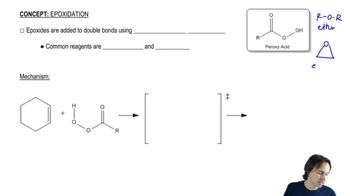
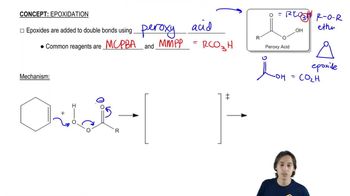
  • General properties of epoxidation.
    02:19
  • The mechanism of how peroxy acids make epoxides.
    03:19

Williamson Ether Synthesis

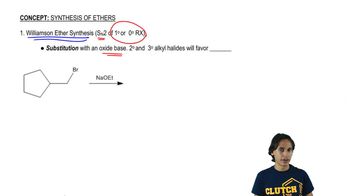
  • The Mechanism of Williamson Ether Synthesis.
    03:50

Alcohol Protecting Groups

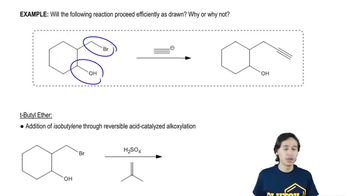
  • General features of Alcohol Protecting Groups.
    03:01

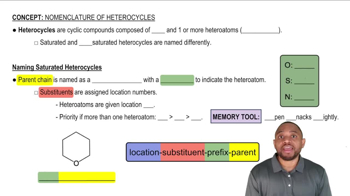
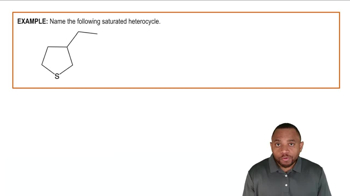
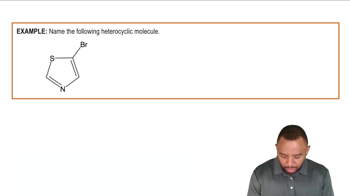
Nomenclature of Heterocycles

  • Percorso guidato
    Nomenclature of Heterocycles Concept 1
    2:06
  • Percorso guidato
    Nomenclature of Heterocycles Example 1
    0:50
  • Percorso guidato
    Nomenclature of Heterocycles Example 2
    1:13

Purpose of Analytical Techniques

  • Reason for Analytical Methods
    05:41

Infrared Spectroscopy

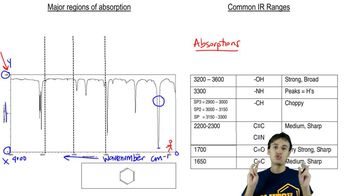
  • General Features of IR Spect
    16:04

1H Nuclear Magnetic Resonance - General Features

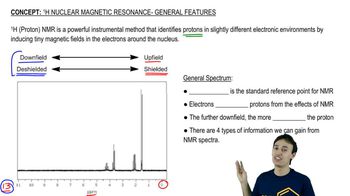
  • General NMR Features
    10:06

1H NMR - Total Number of Signals

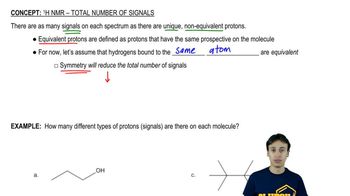
  • General Assumption for 1H NMR Signals
    04:35
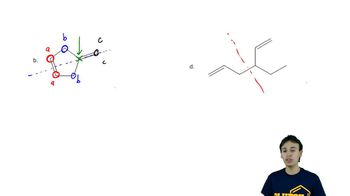
  • Identifying Proton Signals
    02:02
  • Identifying Proton Signals
    01:55

1H NMR - Spin-Splitting without J-Values

  • Splitting without J-values
    12:21
  • Proton Splitting
    03:

1H NMR - Integration

  • 1H NMR Integration
    06:46
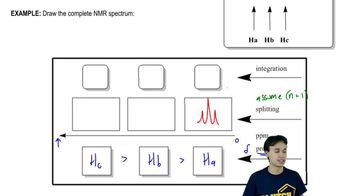
  • Draw Complete NMR Spectrum
    04:29