 뒤로
Airway Management and Respiratory Physiology
 4:28

이 집합의 용어 (20)
Airway management involves techniques to ensure an open pathway for air to enter and exit the lungs.
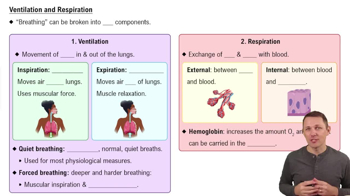
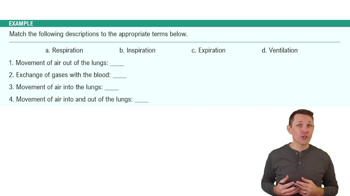
Respiration is the process of gas exchange between the body and the environment, primarily oxygen intake and carbon dioxide removal.
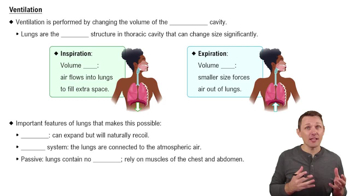
Ventilation is the mechanical process of moving air in and out of the lungs.
Oxygenation is the process of adding oxygen to the body’s tissues via the bloodstream.
Maintaining airway patency ensures unobstructed airflow for effective breathing and oxygen delivery.
Endotracheal intubation is a common method to secure the airway and maintain ventilation.
The diaphragm contracts to increase thoracic volume, causing air to flow into the lungs during inspiration.
Ventilation is air movement; respiration is gas exchange at the cellular level.
Hypoxia is a condition where tissues receive insufficient oxygen.
Proper oxygenation is essential for aerobic metabolism and energy production in cells.
The diaphragm is the primary muscle responsible for breathing.
Tidal volume is the amount of air inhaled or exhaled during normal breathing.
Oxygen saturation measures the percentage of hemoglobin bound with oxygen in the blood.
The ventilation-perfusion ratio compares air reaching alveoli to blood flow in pulmonary capillaries.
Airway obstruction blocks airflow, reducing oxygen delivery and causing respiratory distress.
Signs include rapid breathing, use of accessory muscles, and cyanosis.
The epiglottis prevents food and liquids from entering the airway during swallowing.
It forces air into the lungs when spontaneous breathing is insufficient.
Typically 12 to 20 breaths per minute.
It ensures tissues receive adequate oxygen to prevent hypoxia and organ damage.