 뒤로
Anatomy & Physiology: Biomolecules and Homeostasis

 01:59

이 집합의 용어 (20)
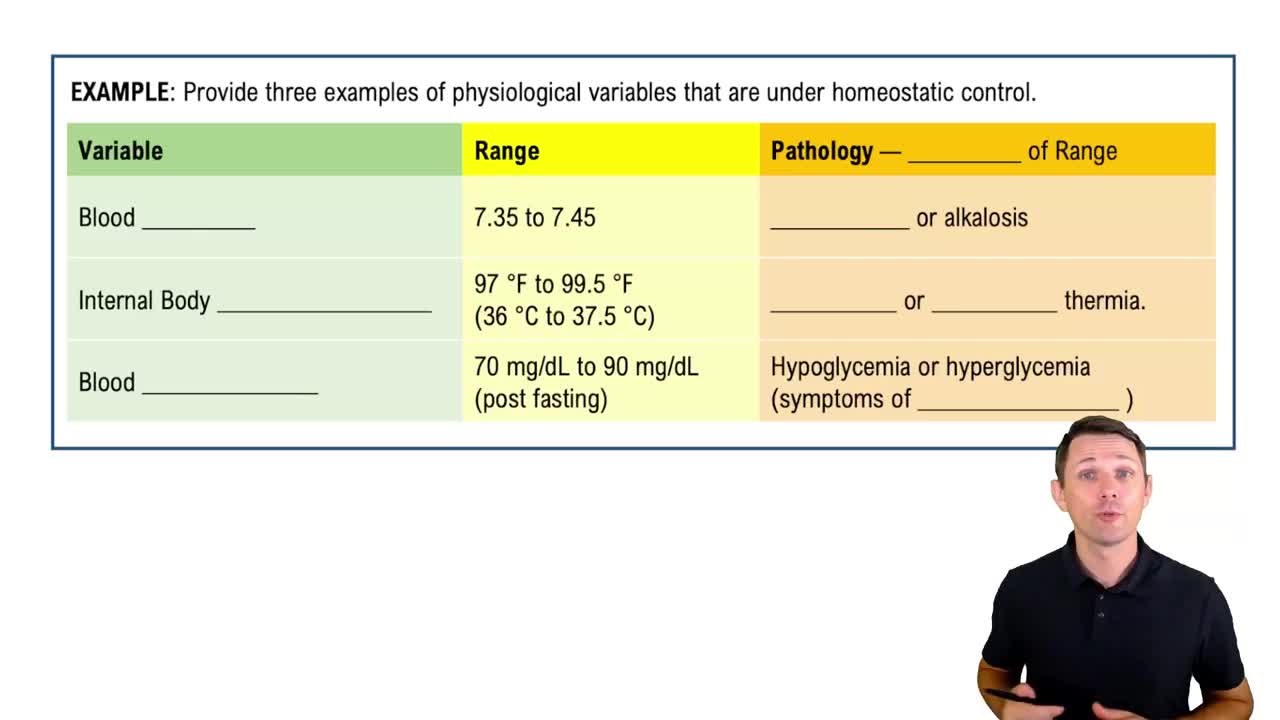
Homeostasis is the body's ability to maintain a stable internal environment despite external changes.
Proteins are made of amino acids linked by peptide bonds forming polypeptide chains.
Proteins function as enzymes, structural components, transport molecules, and in cell signaling.
Nucleic acids are biomolecules like DNA and RNA that store and transmit genetic information.
Nucleic acids are made of nucleotides, each containing a sugar, phosphate group, and nitrogenous base.
Lipids store energy, form cell membranes, and act as signaling molecules.
Carbohydrates are made of carbon, hydrogen, and oxygen, typically in a ratio of 1:2:1.
Carbohydrates provide a quick source of energy and serve as structural components in cells.
Proteins, nucleic acids, lipids, and carbohydrates.
Proteins like enzymes regulate biochemical reactions essential for maintaining homeostasis.
Nucleic acids direct protein synthesis and regulate cellular activities through genetic information.
Lipids form membranes that control substance movement, aiding in internal balance.
Simple carbohydrates are sugars; complex carbohydrates are polysaccharides made of many sugar units.
A peptide bond is a covalent bond linking amino acids in a protein chain.
Adenine, thymine, cytosine, and guanine.
Adenine, uracil, cytosine, and guanine.
Enzymes speed up chemical reactions necessary for life processes.
Carbohydrates are broken down to release glucose, which cells use to produce ATP.
Lipids form the phospholipid bilayer of cell membranes, providing barrier and fluidity.
It ensures optimal conditions for enzyme function and cellular processes.