 뒤로
Anatomy & Physiology: Bones Identification Chapter 6
 3:56

이 집합의 용어 (20)
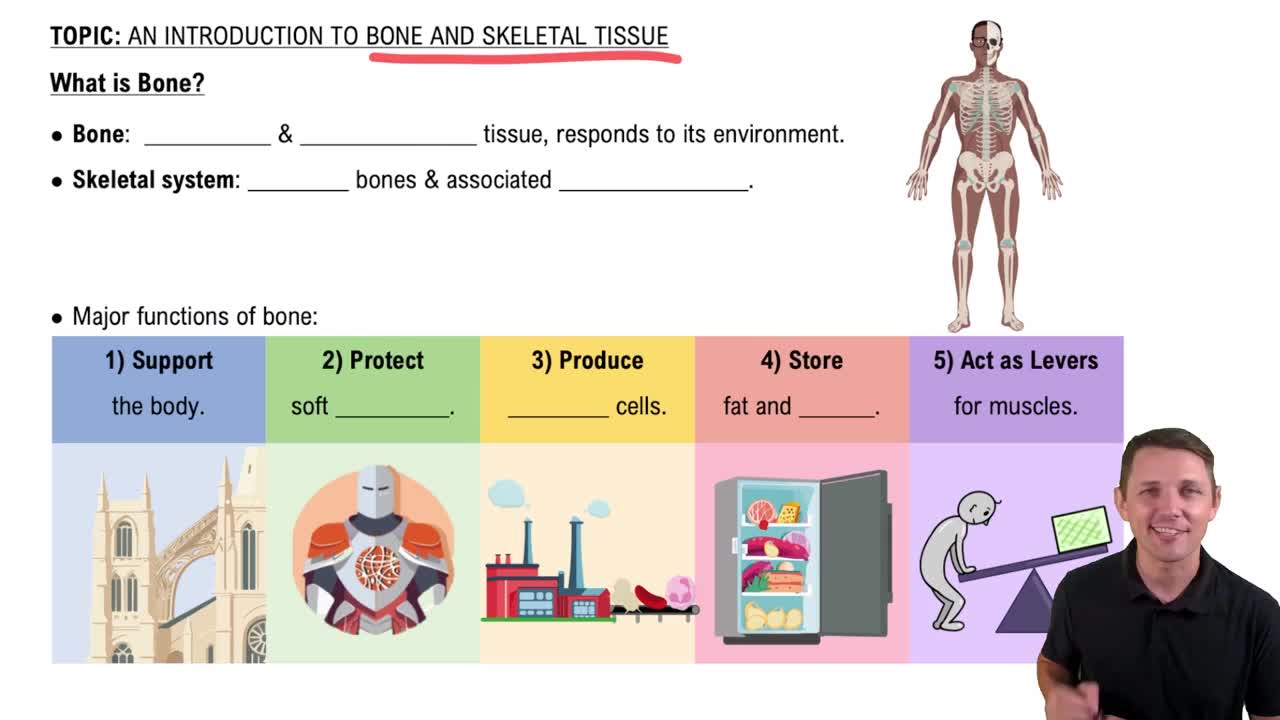
The axial skeleton supports the central axis of the body and protects the brain, spinal cord, and thoracic organs.
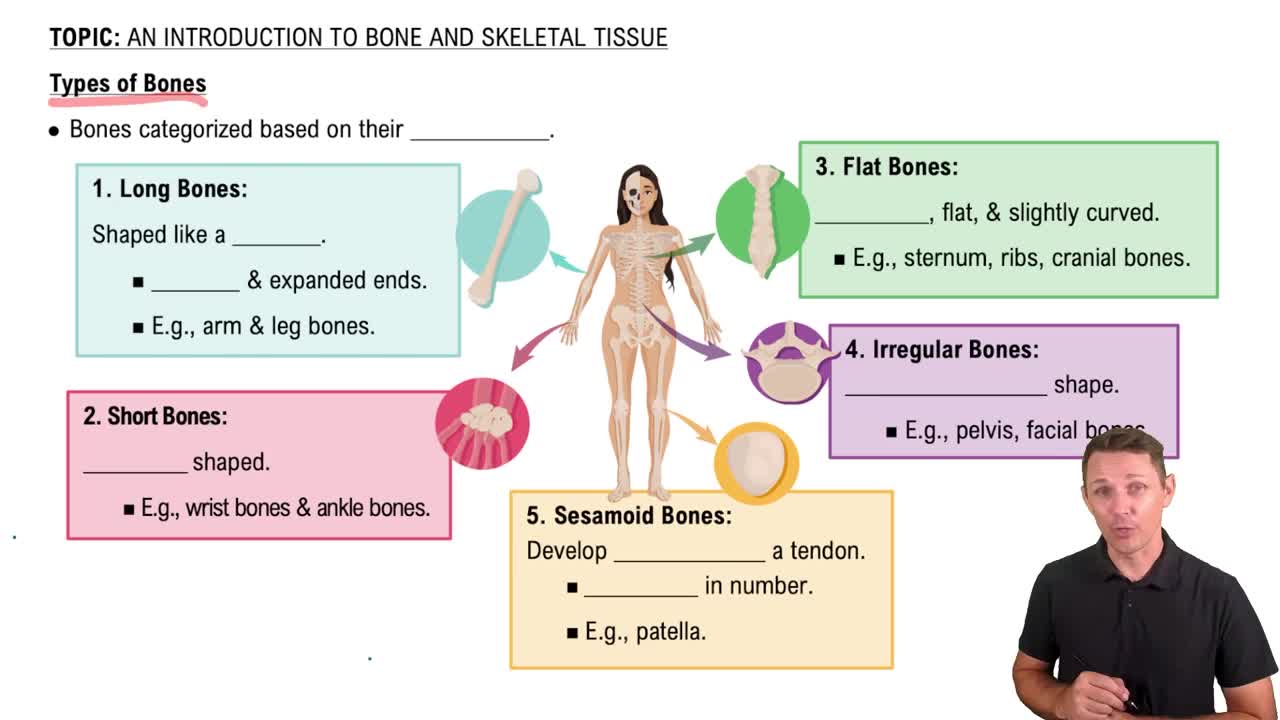
The diaphysis (shaft), epiphyses (ends), and metaphysis (growth plate area).
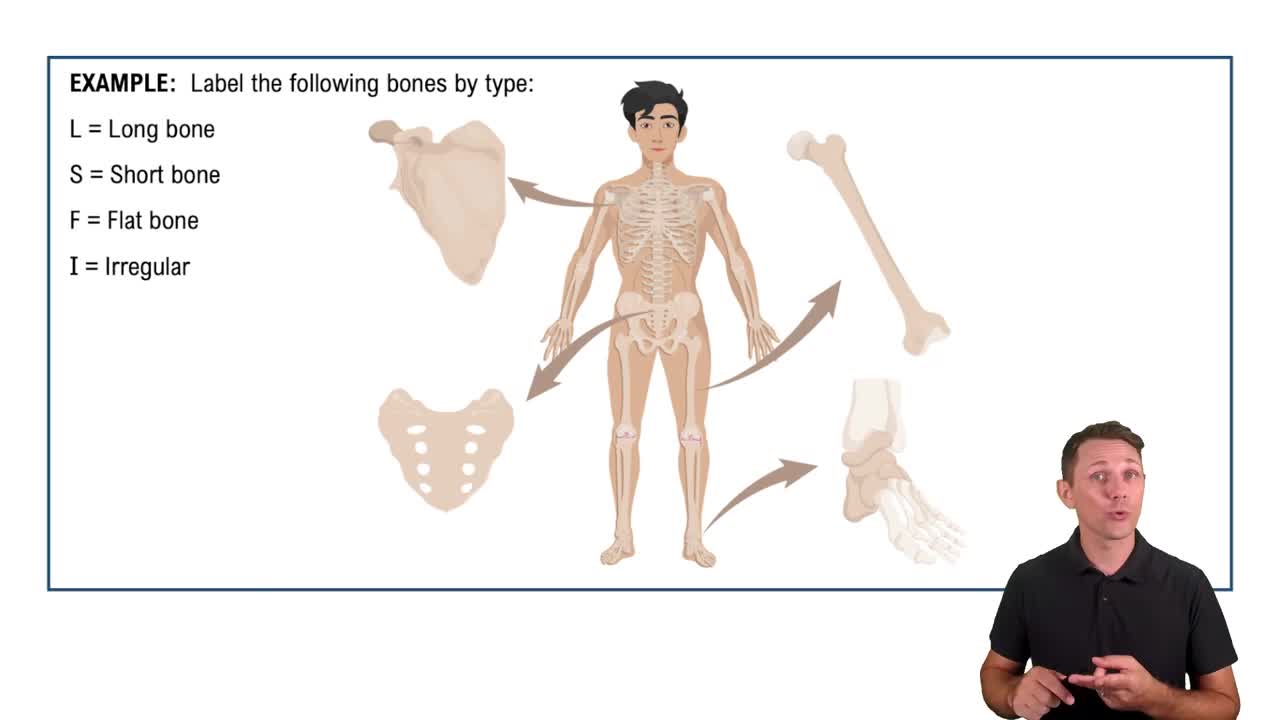
The femur is a long bone.
The frontal bone forms the forehead.
The sphenoid bone contains the sella turcica, which houses the pituitary gland.
The vertebral column protects the spinal cord and supports the head and trunk.
The occipital bone forms the posterior part of the skull.
The clavicle and scapula make up the pectoral girdle.
The patella is a sesamoid bone embedded within a tendon.
The mandible forms the lower jaw.
The appendicular skeleton facilitates movement and supports the limbs.
The calcaneus forms the heel of the foot.
The clavicle is known as the collarbone.
The rib cage protects the heart and lungs.
The humerus forms the upper arm.
The femur is the largest bone in the human body.
The nasal bones form the bridge of the nose.
The zygomatic bone forms the cheekbone.
Each vertebra is an irregular bone that protects the spinal cord.
The frontal bone forms the forehead and upper eye sockets.