 뒤로
Anatomy & Physiology Comprehensive Study Guide
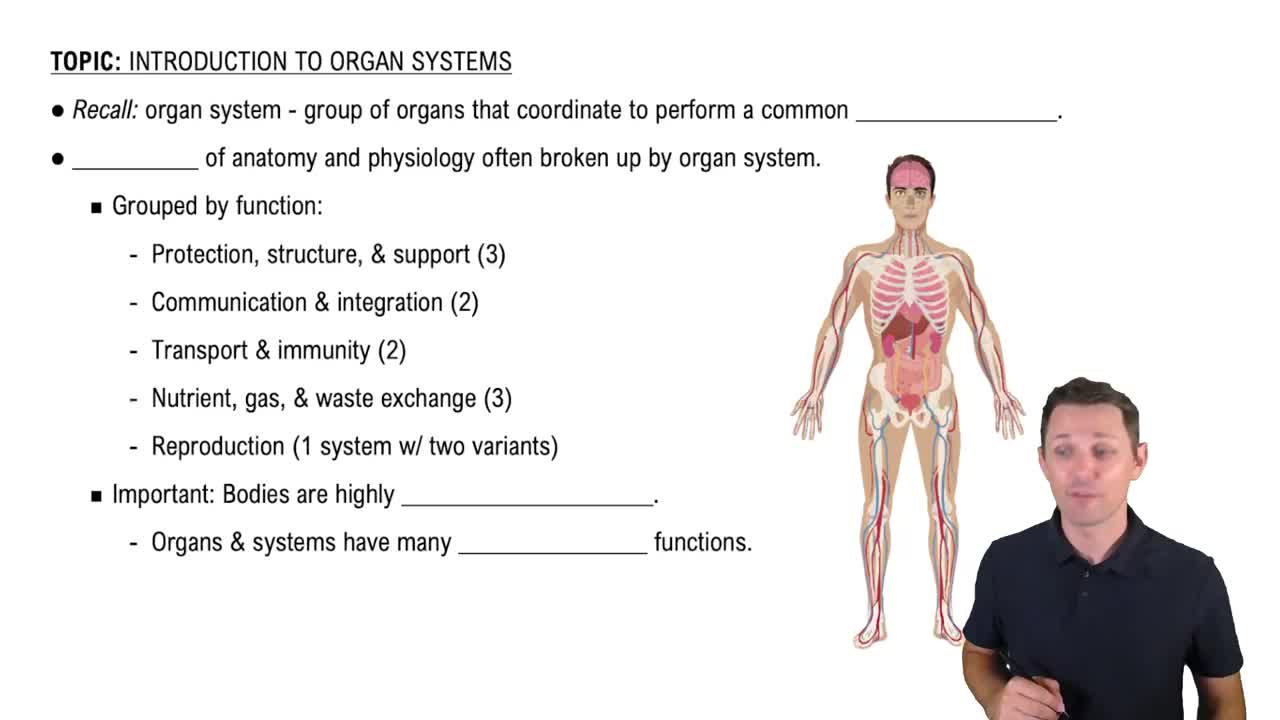
 02:29

이 집합의 용어 (30)
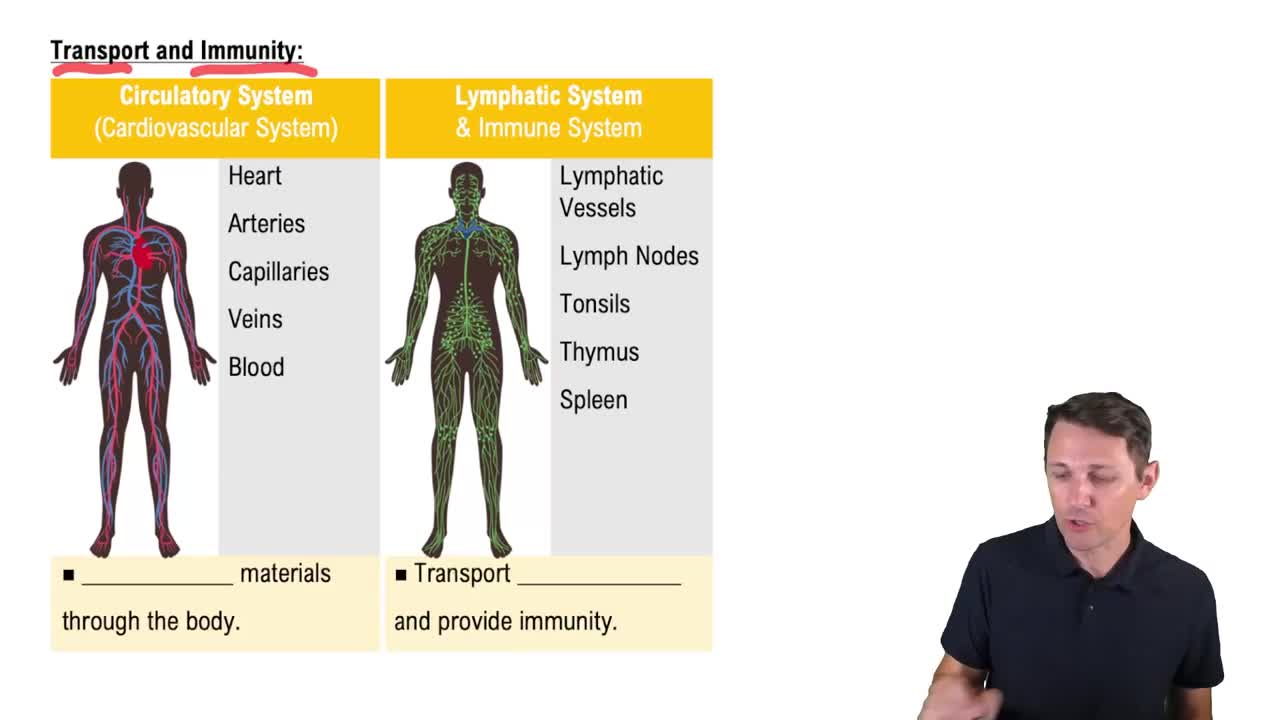
The heart pumps blood throughout the body, delivering oxygen and nutrients.
Arteries, veins, and capillaries transport blood, nutrients, oxygen, and waste products.
Exchange oxygen and carbon dioxide between air and blood; regulate blood pH.
Stomach, small intestine, large intestine, liver, pancreas; break down food, absorb nutrients, eliminate waste.
Filter blood, remove metabolic wastes, regulate fluid balance, and manage electrolyte and acid-base levels.
Brain, spinal cord, nerves; detect sensory stimuli, process information, coordinate fast electrical responses.
Secrete hormones into blood to regulate slower, long-term metabolic processes.
Protect against external damage, regulate body temperature, prevent water loss.
Provide structural support, protect organs, store minerals, house blood-forming tissues.
Provide body movement, maintain posture, produce heat.
Return excess tissue fluid to bloodstream and defend against pathogens.
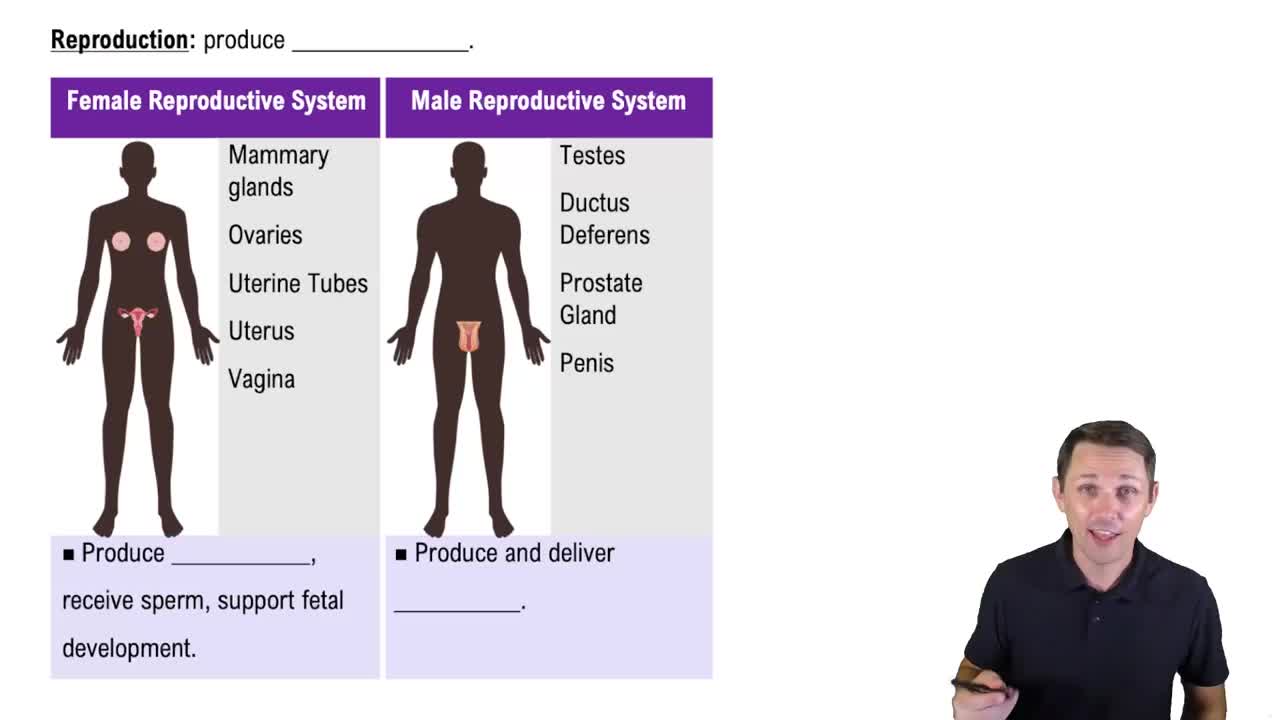
Produce gametes and sex hormones to facilitate reproduction.
Standing upright, facing forward, upper limbs at sides, palms facing forward, feet flat and slightly forward.
Toward the head or upper part of a structure.
Away from the head or toward the lower part of a structure.
Toward the front of the body.
Toward the back of the body.
Medial: nearer to midline; lateral: farther from midline.
Proximal: closer to origin or attachment; distal: farther from origin or attachment (limbs).
Superficial: toward or at body surface; deep: away from surface, more internal.
Cranial cavity (brain) and vertebral canal (spinal cord).
Pleural cavities (lungs), pericardial cavity (heart), and mediastinum (heart, esophagus, trachea, thymus).
Stomach, liver, spleen, gallbladder, small intestine, most of large intestine.
Urinary bladder, internal reproductive organs, rectum.
RUQ: liver; LUQ: stomach; RLQ: appendix; LLQ: sigmoid colon.
Divides body into left and right; midsagittal (equal halves), parasagittal (unequal).
Divides body into anterior (front) and posterior (back) portions.
Divides body into superior (top) and inferior (bottom) portions.
Phospholipid bilayer regulating movement of substances in and out of the cell.
Generate ATP via cellular respiration; known as the cell's powerhouses.