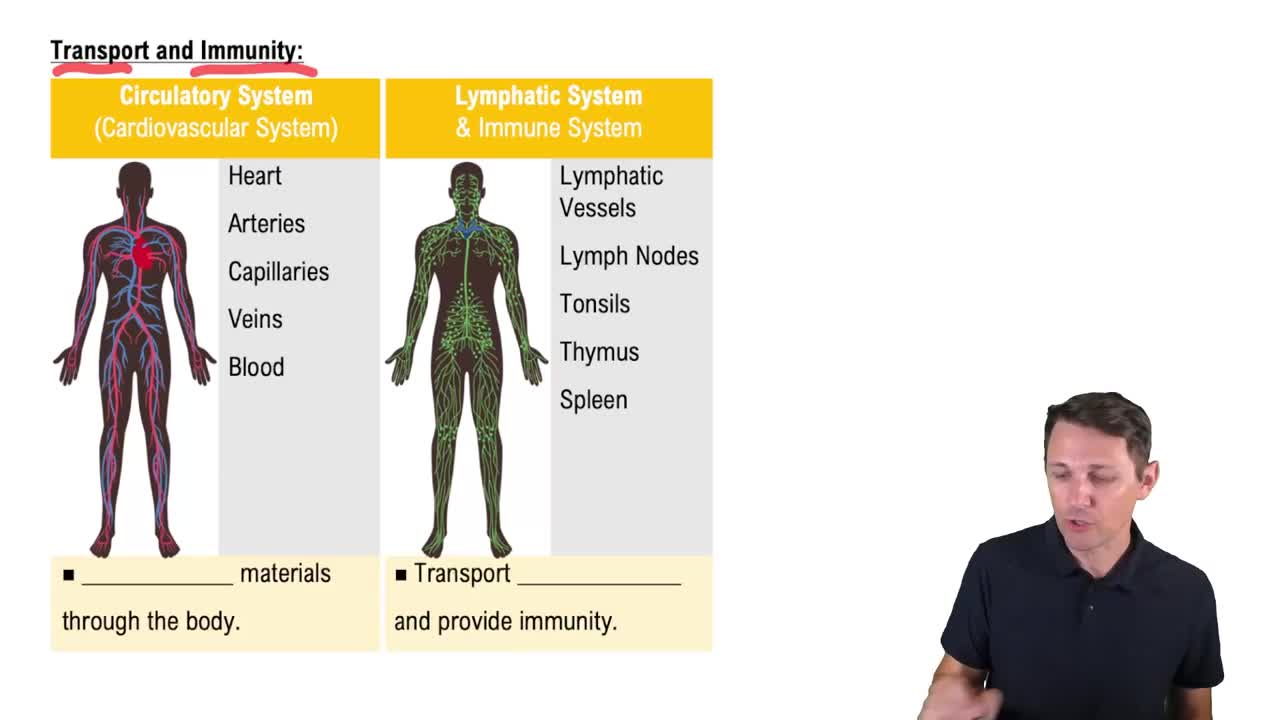
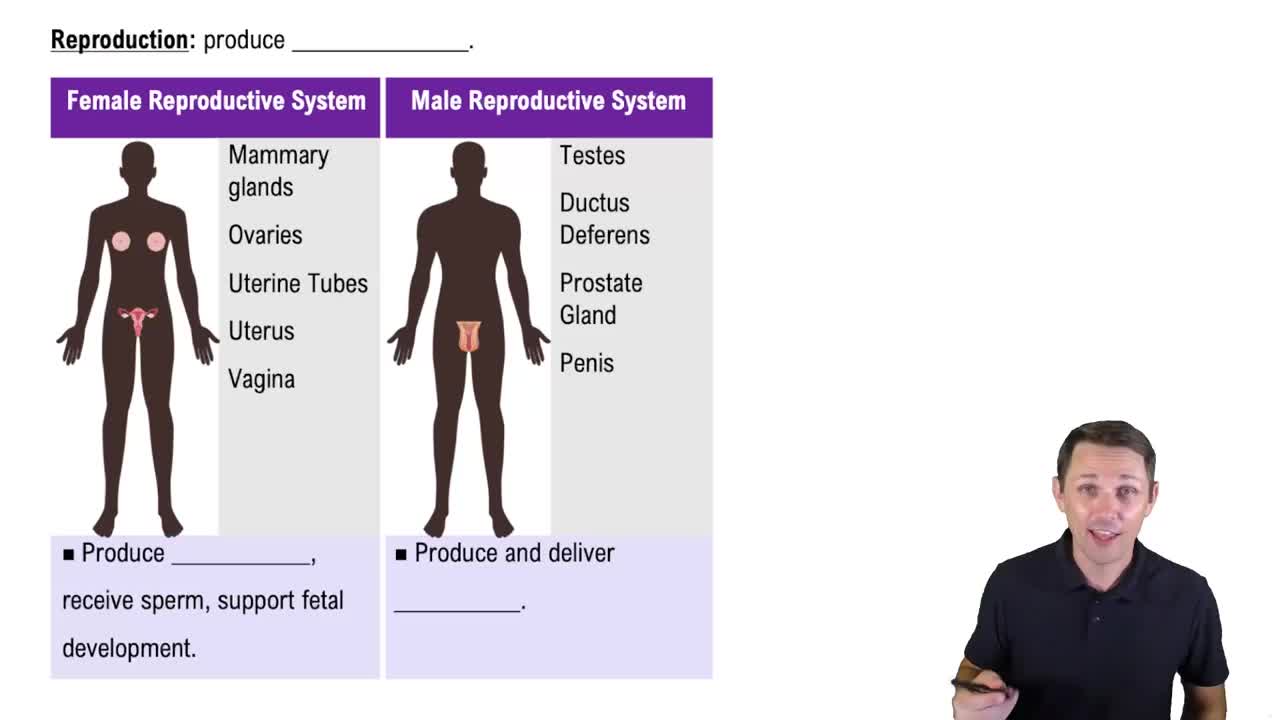
An organ is a structure composed of two or more tissue types that work together to perform specific functions.
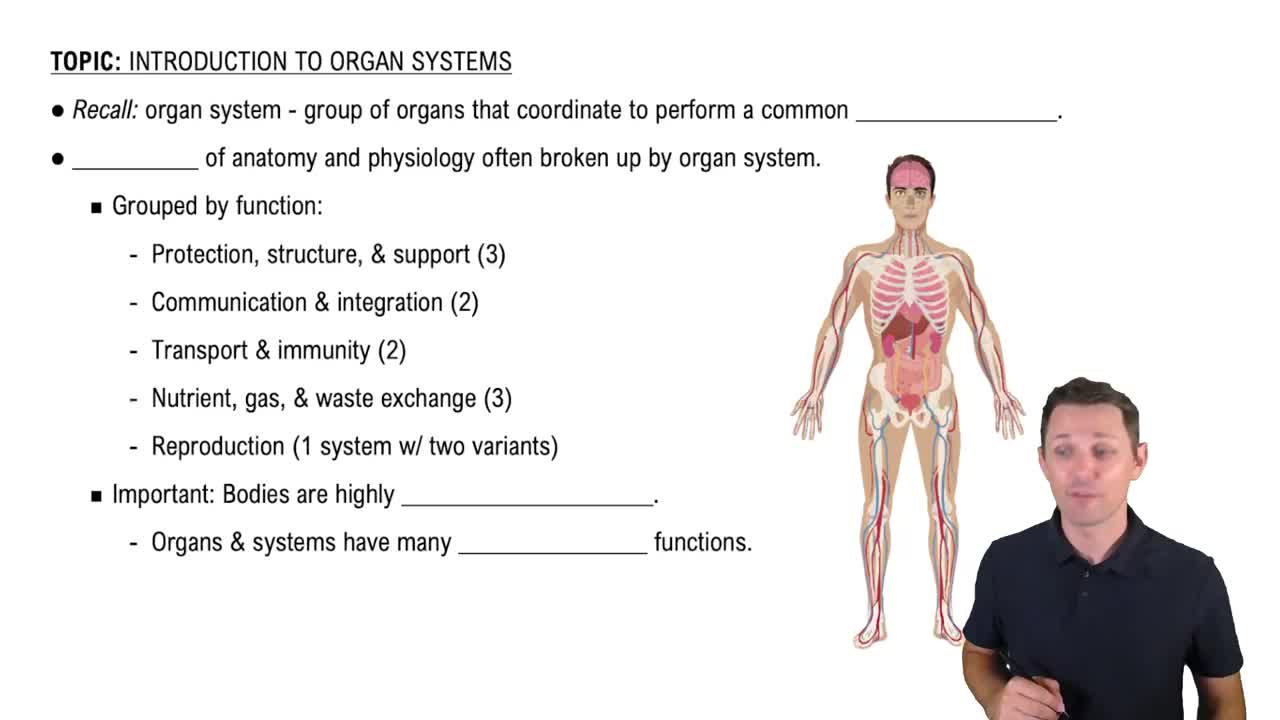
Define an organ system.
An organ system is a group of organs that work together to perform complex functions for the body.
What is regional anatomy?
Regional anatomy studies the organization of the body by specific areas or regions, such as the head, chest, or limbs.
What are directional terms in anatomy?
Directional terms describe the location of structures relative to other structures, e.g., anterior, posterior, medial, and lateral.
Name the major body cavities.
The major body cavities are the cranial, vertebral, thoracic, and abdominopelvic cavities.
What are planes/sections in anatomy?
Planes are imaginary flat surfaces used to divide the body, including the sagittal, frontal (coronal), and transverse planes.
How are abdominal regions divided?
The abdomen is divided into nine regions to localize organs, including the epigastric, umbilical, and hypogastric regions.
What are serous membranes?
Serous membranes are thin layers that line body cavities and cover organs, producing serous fluid to reduce friction.
Name key cell organelles and their functions.
Nucleus: controls cell activities; mitochondria: produce energy; ribosomes: synthesize proteins; endoplasmic reticulum: processes proteins and lipids.
What is diffusion?
Diffusion is the passive movement of molecules from an area of higher concentration to an area of lower concentration.
Compare passive and active transport.
Passive transport requires no energy and moves substances down their concentration gradient; active transport requires energy to move substances against their gradient.
What is resting membrane potential?
Resting membrane potential is the electrical charge difference across the cell membrane when the cell is at rest, typically around -70 mV.
Define tonicity.
Tonicity describes the ability of a solution to affect the volume of a cell by osmosis, such as isotonic, hypertonic, and hypotonic solutions.
What are the main types of connective tissue?
Connective tissue types include loose, dense, cartilage, bone, and blood.
What fiber types are found in connective tissue?
Connective tissue fibers include collagen (strength), elastic (stretch), and reticular (support).
How are tissues identified?
Tissues are identified by their cell types, fiber types, and location in the body.
What is the function of connective tissue?
Connective tissue supports, binds, protects organs, stores energy, and transports substances within the body.
 뒤로
 02:29